
Choosing a final year project is an important part of an engineering student's academic journey. A practical project helps students connect theoretical concepts with real-world applications while developing technical, analytical, and problem-solving skills.
Takeoff Edu Group provides project-oriented guidance for students exploring different engineering technologies and project domains. For students searching for Electrical and Electronic Engineering Final Year Projects in Hyderabad, areas such as Embedded Systems, VLSI, MATLAB, artificial intelligence, image processing, communication, automation, and electric vehicle technologies offer several project opportunities.
This article covers selected project topics across Embedded Systems, VLSI, and MATLAB. These topics can help students understand current technology areas and choose a project based on their interests and academic requirements.
Embedded Systems Final Year Projects
Embedded Systems combine hardware and software to perform specific functions. Microcontrollers, sensors, communication modules, and real-time processing are commonly used in embedded applications.
For Electrical and Electronic Engineering students, Embedded Systems projects can provide practical exposure to programming, hardware interfacing, automation, intelligent systems, and real-time applications.
1. Evaluation of Object Detection Models on Indian Road Scenarios for Pothole Detection
This project focuses on evaluating object detection models for identifying potholes in Indian road scenarios. Students can explore computer vision, image datasets, object detection algorithms, and performance metrics. It provides an opportunity to understand how intelligent vision systems can be applied to road-monitoring applications.
2. A Microcontroller-based Intelligent Shopping Cart with Automated Navigation and Real-Time Billing
This project explores an intelligent shopping cart using a microcontroller, sensors, automated navigation, and real-time billing. Students can learn about sensor integration, embedded programming, navigation logic, and electronic billing. It demonstrates the use of embedded technology in smart retail applications.
3. Real-Time Parametric Analysis for Electric Vehicle Battery Swapping System
This project focuses on monitoring parameters associated with an electric vehicle battery-swapping system. Students can explore sensors, electrical parameters, microcontrollers, monitoring techniques, and real-time data processing. It provides exposure to embedded applications related to electric vehicle technology.
4. An Open-Source Audiometer for Hearing Evaluation Using the Arduino Platform
This project uses the Arduino platform to develop an open-source audiometer for hearing evaluation. Students can explore frequency generation, tone control, Arduino programming, and user interaction. It demonstrates how embedded platforms can be used for educational and research-oriented healthcare applications.
5. Hand Gesture-Driven Smart Living for Home Automation Using Arduino Uno
This project focuses on controlling home automation functions through hand gestures using Arduino Uno. Students can explore gesture sensing, microcontroller programming, appliance control, and automation logic. The project demonstrates an interactive approach to smart-home system development.

VLSI Final Year Projects
VLSI, or Very Large-Scale Integration, focuses on the design and implementation of integrated electronic circuits. VLSI projects can introduce students to digital design, arithmetic circuits, approximate computing, low-power architectures, and hardware optimization.
6. LUT-based Energy-efficient Approximate Multiplier for More Sustainable Neural Network Applications
This project focuses on designing an LUT-based approximate multiplier for neural network applications. Students can explore lookup tables, multiplier architectures, approximate computing, and energy-efficient hardware design. It provides an opportunity to study hardware optimization for computational applications.
This project focuses on designing a 4:2 approximate compressor with emphasis on area efficiency and low-power operation. Students can study digital circuit design, approximate computing, power consumption, hardware area, and image-quality metrics.
This project combines an approximate multiplier with a genetic algorithm-based training framework. Students can explore configurable accuracy, computational efficiency, hardware architecture, and optimization techniques. The topic introduces the relationship between algorithmic optimization and hardware design.
9. Analytical Error Evaluation and Hardware Implementation of Approximate Negation Circuits
This project focuses on analyzing errors and implementing approximate negation circuits in hardware. Students can study arithmetic circuits, error evaluation, hardware implementation, and approximation techniques. It provides an opportunity to understand the trade-offs between circuit complexity and computational accuracy.
This project explores logarithmic floating-point multiplier architectures using truncation-based error compensation. Students can study floating-point arithmetic, multiplier design, truncation, error compensation, and energy-efficient hardware. The topic also introduces concepts related to fault-tolerant applications.
MATLAB Final Year Projects
MATLAB is widely used for simulation, numerical analysis, image processing, signal processing, communication systems, and machine learning. MATLAB-based projects allow students to implement algorithms, test different approaches, and analyze results in a structured computational environment.
11. Car-to-Car Communication Using RF Cognitive Radio with VLC Common Control Channel
This project explores car-to-car communication using RF cognitive radio and a VLC common control channel. Students can study wireless communication, visible light communication, communication channels, and system modeling. MATLAB can be used to simulate and analyze different communication scenarios.
12. Single Underwater Image Restoration Using Variational Framework Guided by Imaging Model with Noise
This project focuses on restoring underwater images affected by noise and visibility-related challenges. Students can explore image preprocessing, variational methods, noise models, and image-quality evaluation. MATLAB provides a suitable environment for implementing and testing image-restoration algorithms.
13. A Novel Framework for Vehicle Detection and Tracking in Night Ware Surveillance Systems
This project focuses on vehicle detection and tracking in nighttime surveillance environments. Students can explore image preprocessing, object detection, tracking techniques, and performance evaluation. The topic provides exposure to computer vision concepts and image-based surveillance applications.
This project explores machine-learning-based classification of oral images using the LightGBM algorithm. Students can study image preprocessing, feature extraction, machine-learning models, classification, and evaluation metrics. The project should be considered an academic or research application rather than a replacement for professional medical diagnosis.
15. Detection of Acute Lymphoblastic Leukemia Using a Novel Bone Marrow Image Segmentation
This project focuses on image segmentation techniques for studying bone marrow images associated with Acute Lymphoblastic Leukemia. Students can explore image preprocessing, segmentation, feature analysis, classification, and performance evaluation. MATLAB can be used to develop and test image-processing approaches for academic research.

Why Choose an Engineering Final Year Project?
A final year project is more than an academic requirement. It gives students an opportunity to apply concepts learned throughout their engineering program to a specific technical problem.
Depending on the project area, students can gain experience in:
- Hardware and software integration
- Programming and simulation
- Circuit design
- Microcontroller programming
- Sensor interfacing
- Digital system design
- Image processing
- Machine learning
- Communication systems
- Data analysis
- Testing and debugging
- Technical documentation
The skills gained through project development can also help students explain technical concepts more confidently during project reviews, demonstrations, and presentations.
How to Choose the Right ECE Final Year Project
Students should select a project according to their technical interests, specialization, available resources, and academic requirements.
Students interested in hardware and microcontrollers can explore Embedded Systems. Those interested in digital circuits and chip-level design can consider VLSI projects. Students who prefer simulation, image processing, communication, or machine learning can explore MATLAB-based projects.
Before finalizing a topic, students should understand the problem statement, required tools, expected output, implementation complexity, and project timeline.
Important Steps in Project Development
A structured approach can make the project development process easier and more organized.
Topic Selection
Start by identifying an area of interest and selecting a project topic that matches the student's specialization and available resources.
Problem Understanding
Understand the problem statement, objectives, existing approaches, and expected project outcome before beginning implementation.
Technology Selection
Select suitable hardware, software, programming languages, simulation tools, datasets, or development platforms based on the project requirements.
Implementation
Develop the proposed system step by step. This may include circuit development, coding, simulation, algorithm implementation, hardware integration, or dataset processing.
Testing and Evaluation
Test the developed system using suitable parameters and evaluate the results. Identifying errors and improving the implementation is an important part of the project process.
Documentation and Presentation
Prepare the project report with the problem statement, objectives, methodology, implementation, results, limitations, and future scope. Students should also understand their project well enough to explain it during the final presentation.
Electrical and Electronic Engineering Final Year Projects in Hyderabad
Students looking for ECE Final Year Projects in Hyderabad can explore different project categories according to their specialization and interests.
Embedded projects are suitable for students interested in microcontrollers, sensors, automation, and real-time systems. VLSI projects can help students explore digital circuits, approximate computing, arithmetic architectures, and hardware optimization. MATLAB projects provide opportunities to work with simulation, image processing, communication, machine learning, and data analysis.
The right project should balance technical interest, academic requirements, implementation feasibility, and the student's ability to understand the complete development process.
Conclusion
Electrical and Electronic Engineering provides students with opportunities to work on diverse technologies, from Embedded Systems and VLSI to MATLAB-based image processing, communication, and machine-learning applications.
The project topics discussed above can help students explore different technical areas and identify a project that matches their academic specialization and interests. A structured approach covering topic selection, implementation, testing, documentation, and presentation can make the overall project development process more effective.
Takeoff Edu Group helps students explore engineering project areas and understand the different stages involved in developing and presenting their final year projects. Students searching for ECE Final Year Projects in Hyderabad can explore these Embedded, VLSI, and MATLAB topics as starting points for selecting a suitable academic project.
FAQs
What are some popular ECE final year project areas?
Popular areas include Embedded Systems, VLSI, MATLAB, automation, electric vehicles, communication systems, image processing, artificial intelligence, and machine learning.
Are Embedded Systems projects suitable for engineering students?
Yes. Embedded Systems projects can help students understand microcontrollers, sensors, programming, hardware interfacing, automation, and real-time applications.
What can students learn from VLSI projects?
VLSI projects can introduce students to digital circuit design, arithmetic circuits, approximate computing, low-power design, error analysis, and hardware optimization.
Is MATLAB useful for final year projects?
Yes. MATLAB can be used for simulation, numerical analysis, image processing, signal processing, communication-system modeling, and machine-learning applications.
How should students select a final year project?
Students should consider their area of interest, specialization, project complexity, available tools, implementation time, academic requirements, and the skills they want to develop.
 B Tech Final Year Project Ideas across CSE, ECE and EEE with Implementation
  Electrical and Electronic Engineering Final Year Projects in Vijayawada: Guide & How to Choose
  Final Year Projects in Chennai: Innovative Ideas for Engineering Students
  Final Year Projects in Hyderabad: Ideas, Guidance & Development
  Electrical and Electronic Engineering Final Year Project Ideas & Guidance in Tirupati
  Workshop on Embedded Systems: Building Real-World Applications
  Top Internship Training & Certificate
  Internship Benefits Beyond the Resume: How It Shapes Your Career
  Internship to Job: 7 Proven Tips to Get Hired Faster
  Day in the Life: A Glimpse into the Realities of Internship Experience
  Internship Insights: What Recruiters Look for in Candidates
  Why Internships Matter: Building Bridges to Your Future Career
  Smart Mirror Based on Raspberry Pi
  Best Major & Mini Project Ideas for Engineering College Students
  Top B.Tech/M.Tech Engineering Projects Consultants & Services
  Engineering Project Ideas & Topics for Students
 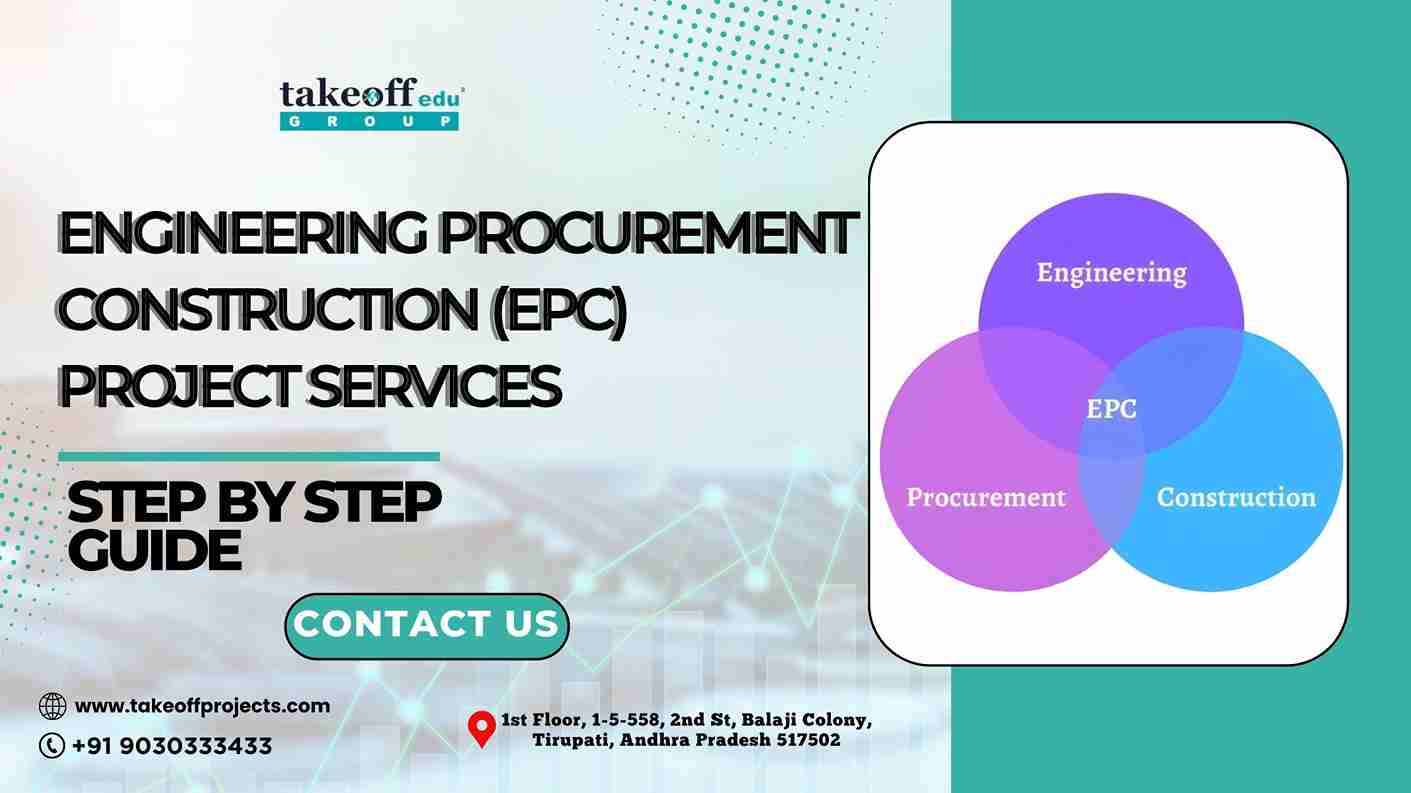 Engineering Procurement Construction (EPC) Project Services: Step By Step Guide
  IEEE Projects in Tirupati
 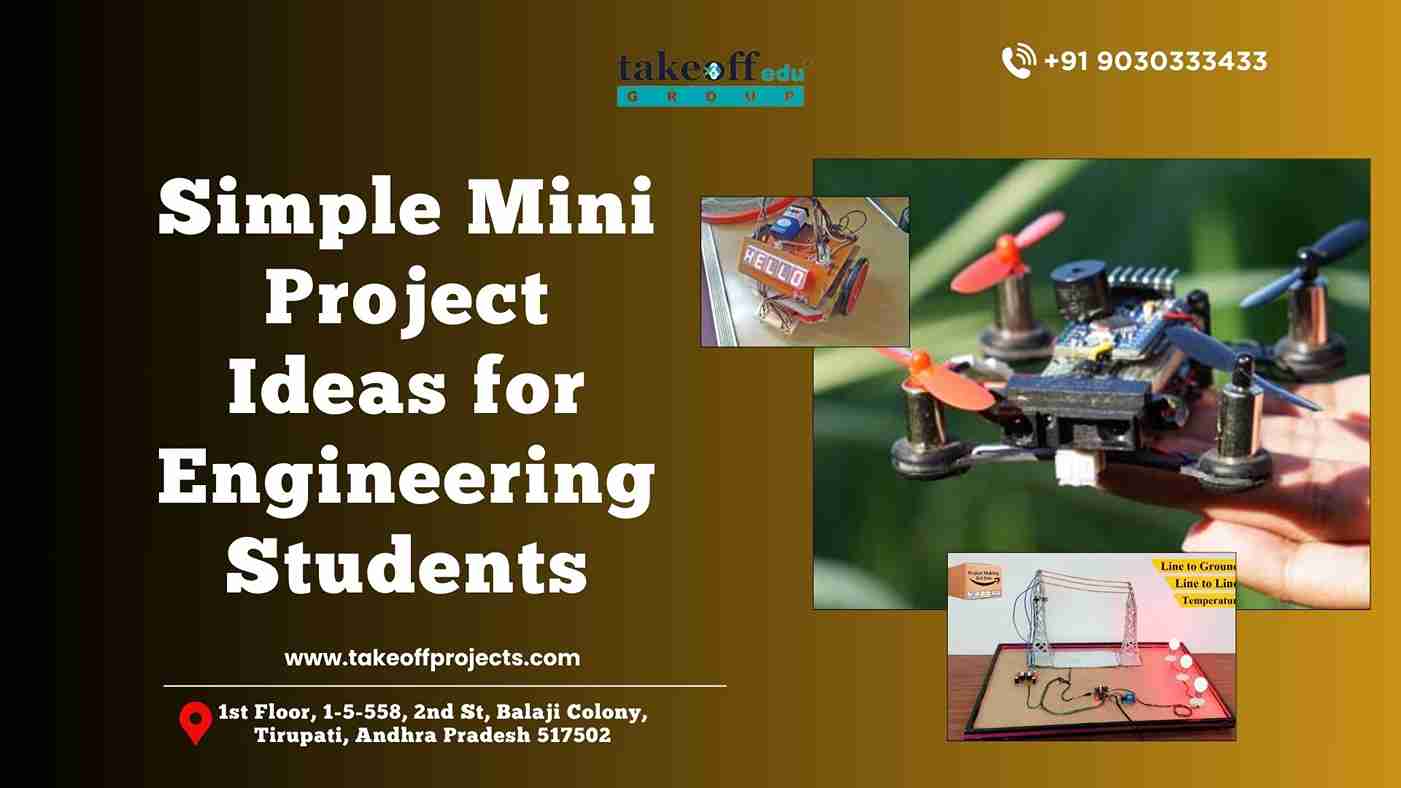 Simple Mini Project Ideas for Engineering Students
 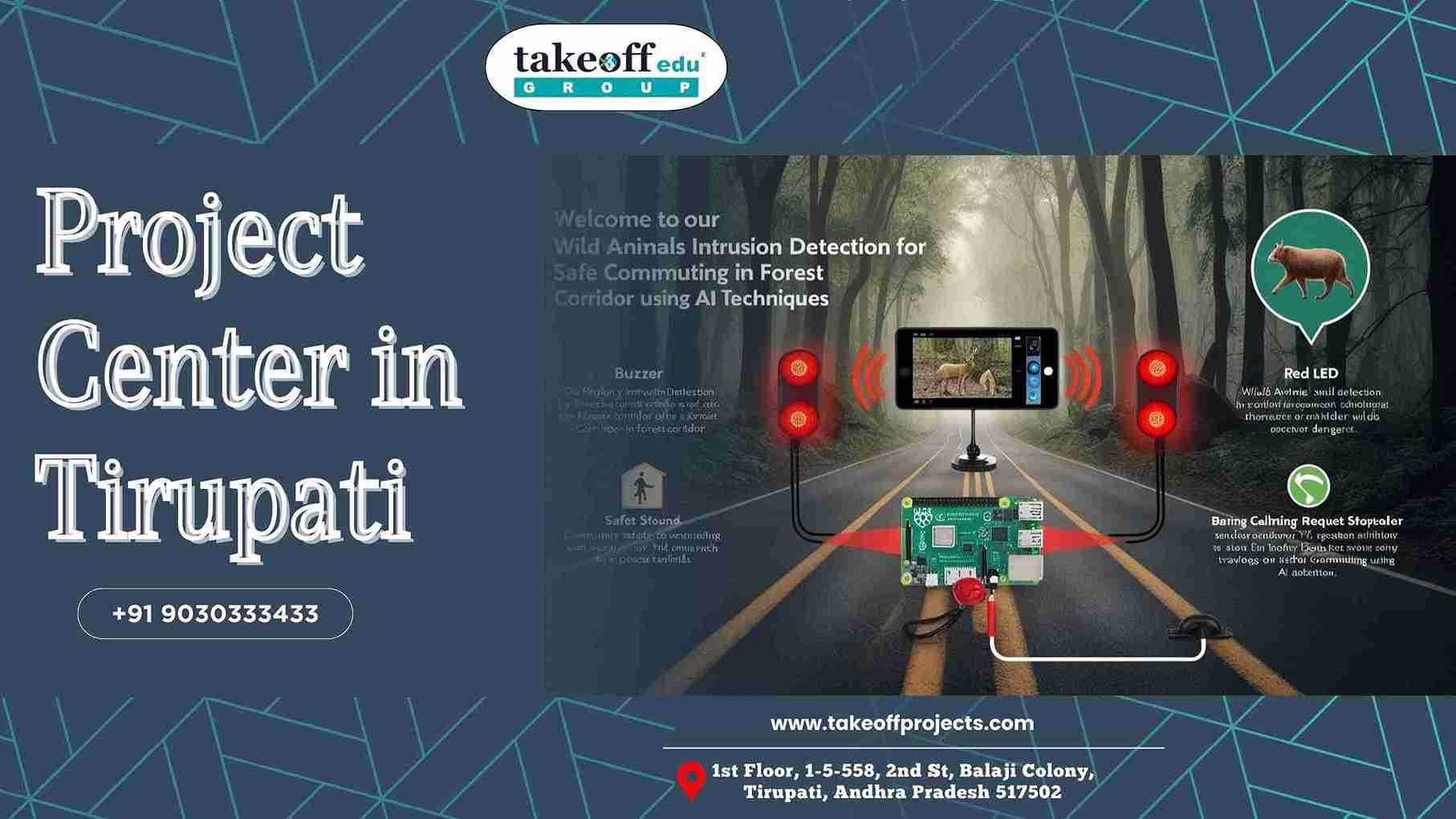 Project Center in Tirupati
  Top Engineering Project Consultants in Tirupati
  Innovative Software Engineering Projects: Shaping the Future of Technology
  Major Current and Upcoming Projects
  Best Project Management Consultant in Tirupati
  Top 10 Best Project Consultants in Andhra Pradesh
  Best Project Consultancy in Tirupati
  Advanced Technology Project Ideas in Chittoor
  Top Final Year Project Provider in Tirupati
  Mini and Major Projects in Chittoor
  Final Year Projects in Tirupati: Unlocking Your Academic Potential
  Affordable Academic Projects in India: A Gateway to Success
  Trending Engineering Project Ideas in Tirupati 2025
  Technical Project ideas for engineering students
  How Do I Choose A Project Topic Titles For Final Year Engineering Students?
  Find Best College Project Centers in Andhra Pradesh
  Latest Engineering Project Ideas for 2025
  Top Engineering Project Work in Vizianagaram: Empowering Student Success
  Final Year Project Ideas for Students in Chittoor
  Project Ideas for College Students in Telangana
  Top 10 Mini Project Ideas for College Students
  Project Work for Students in Tirupati
  Best Engineering Projects in Andhra Pradesh: A Comprehensive Guide
  Using Cloud-Based Tools for Collaborative Research Projects
  Advantages of Undergraduate Research Opportunities
  How to Prepare for Academic Research Conferences
  Understanding the Different Types of Academic Research
  Navigating the Peer Review Process: Tips for Success
  How to Write the Abstract for a Research Paper
  The Impact of Academic Research on Policy Making
  Exploring Open Access Journals for Academic Publishing
  The Role of Academic Journals in Disseminating Research
  How to Balance Coursework and Research Projects: A Guide to Academic Success
  The Importance of Research Ethics Committees
  Innovative Teaching Methods to Support Academic Research Projects
  Creating Impactful Visual Aids for Research Presentations
  The Benefits of Peer Review in Academic Research
  Surveys and Questionnaires are Effective in Academic Research
  Importance of Documentation Record-Keeping in Academic Research
  Overcoming Challenges in Academic Research Projects
  Leveraging Online Resources for Academic Research
  Successful Academic Projects in Computer Science: Case Studies
  Building a Research Network: The Importance of Conferences and Workshops
  How Technology Affects Academic Research?
  Getting Funding for Your Research Project: Tips and Resources
  Time Management Strategies for Academic Researchers
  Ethical Considerations in Academic Research
  How to Write and Publishing Your Academic Paper?
  Presenting Your Research: Guidelines To Consider When Making An Academic Presentation
  Analyzing Research Data: Effective Techniques in Engineering Projects
  Best Practices for Conducting a Literature Review
  Writing a Winning Student Research Proposal: A Step-by-Step Guide
  Project Management for Academic Research: Tools and Techniques
  How to Choose the Perfect Academic Project Topic?
  Presenting Final Year Project to Your Supervisor
  Trending Engineering Projects in 2024 Future-Ready
  Innovative Renewable Energy Project Ideas
  How Engineering Projects Ideas to contribute your academic year?
  Latest Engineering Projects in 2024
  Ethical Considerations in Image Processing: Balancing Innovation and Privacy
  From Pixels to Insights A Journey into Image Enhancement Algorithms
 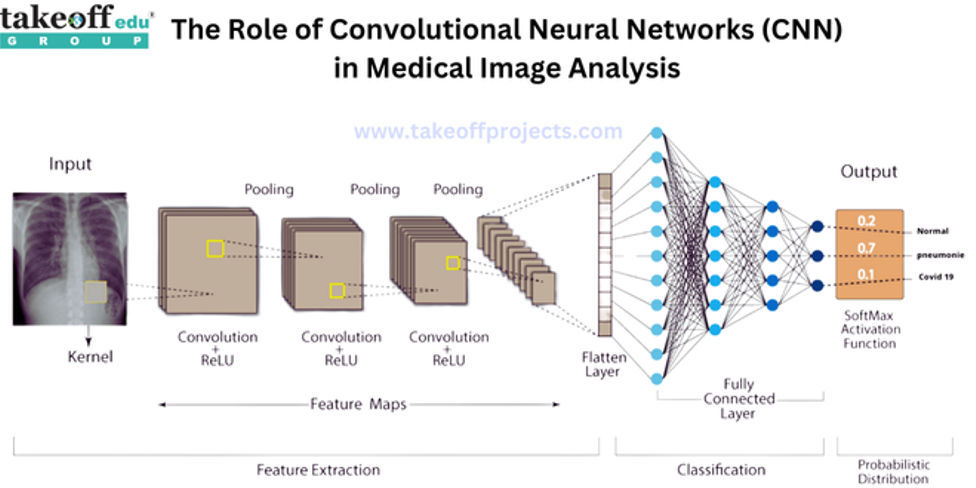 The Role of Convolutional Neural Networks in Medical Image Analysis
  Advancements in Image Segmentation Techniques: A Comprehensive Overview
 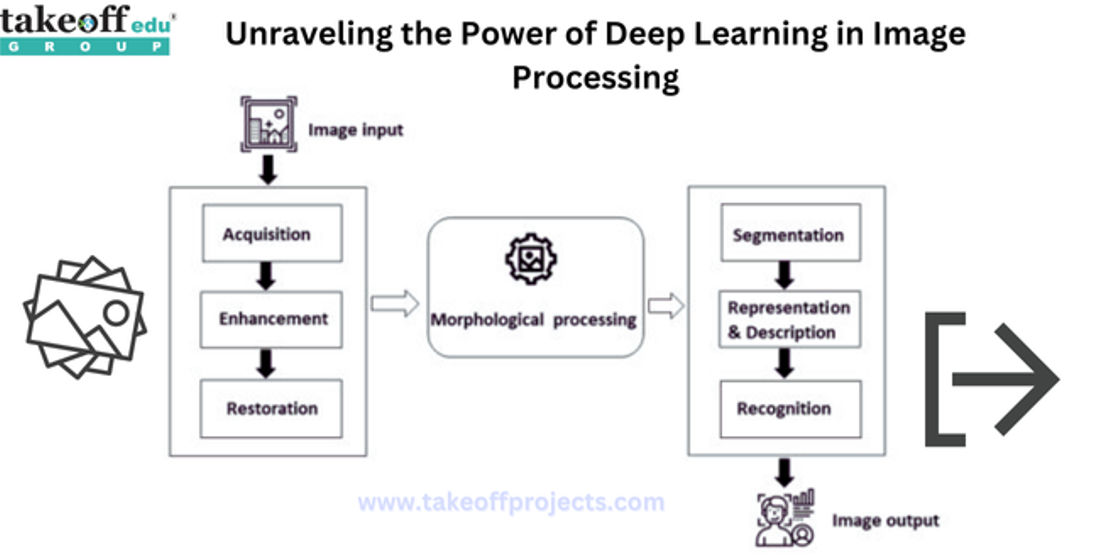 Unraveling the Power of Deep Learning in Image Processing
  Importance of Final Year Projects for Students
  How to Present Your Final Year Project to Your Supervisor?
  How to Choose the Right Final Year Project Topic?
  Common Mistakes to Avoid on Your Final Year Project
  How to Write a Winning Engineering Project Report?
  Low Cost Mini Projects Ideas for Civil Engineering
 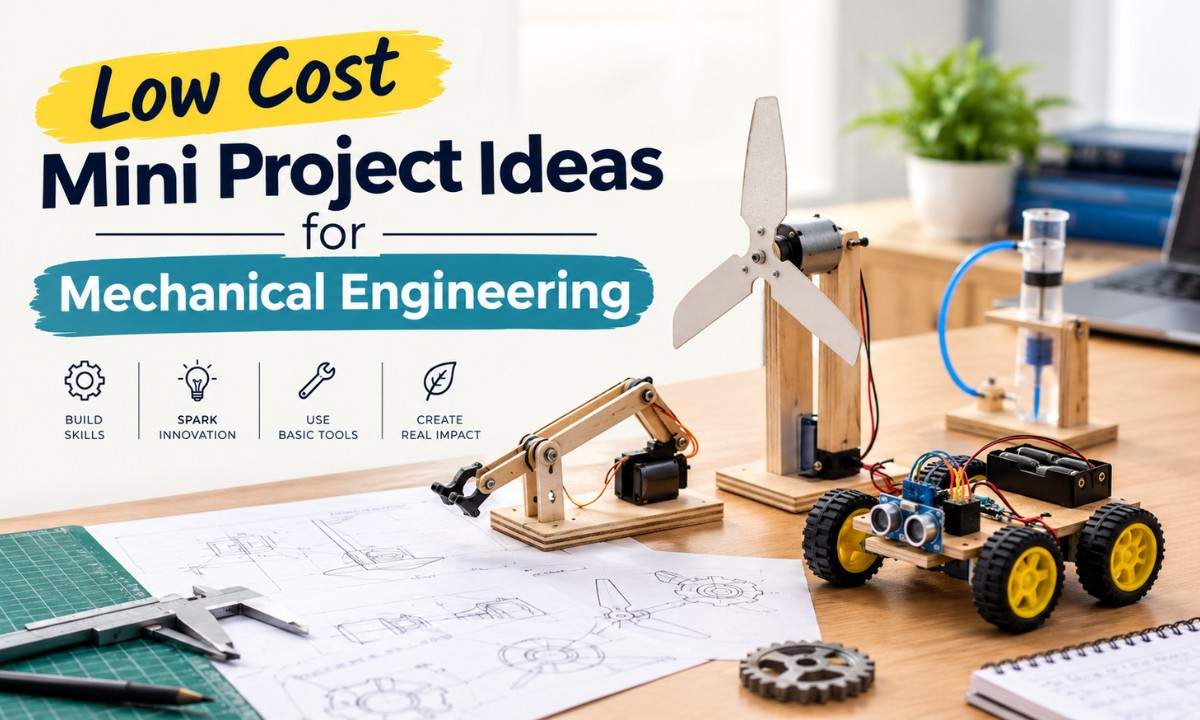 Low Cost Mini Project Ideas for Mechanical Engineering
 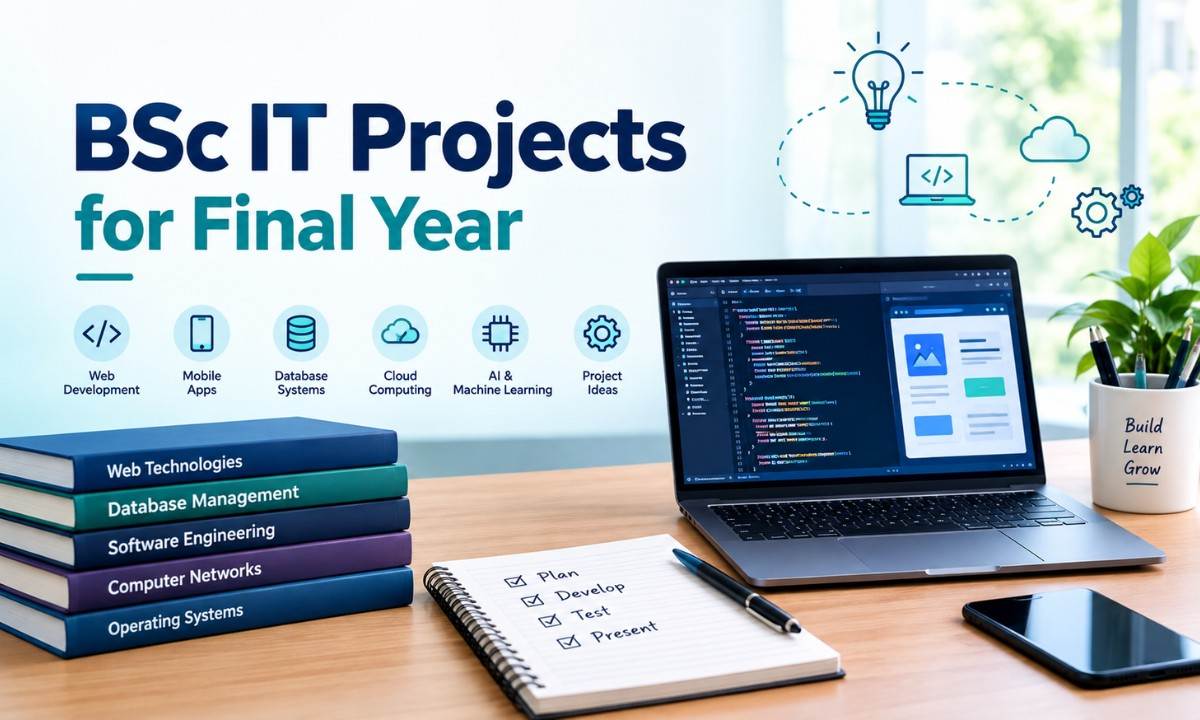 BSc IT Projects for Final Year
 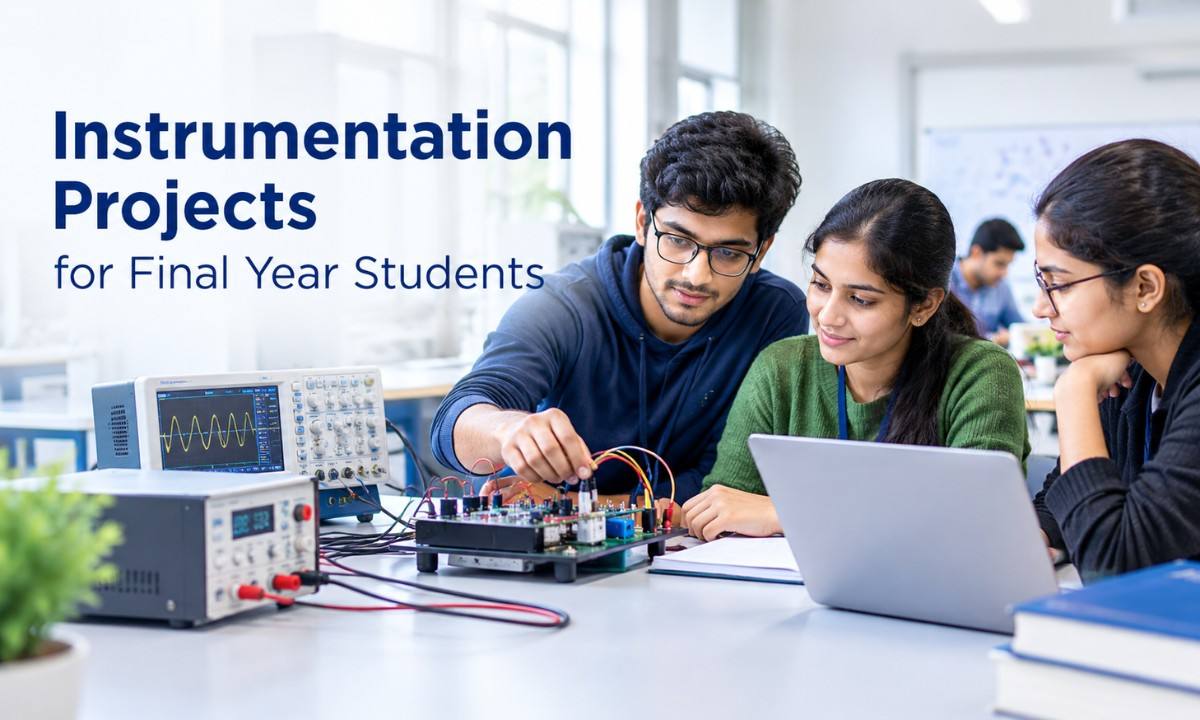 Instrumentation Projects for Final Year Students
 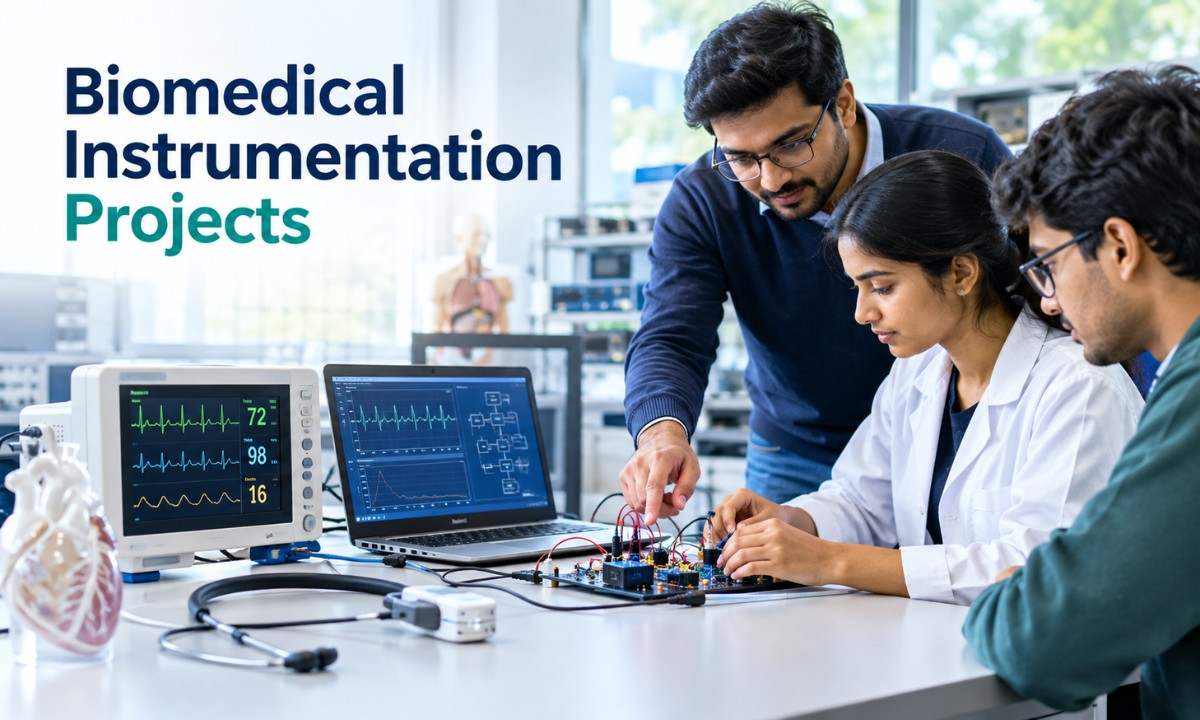 Biomedical Instrumentation Projects
  M.Tech Structural Engineering Projects
  M.Tech Thesis Writing Services
  M.Tech Projects for Electrical, Electronics & Software Engineering
  Latest Final Year Projects for B.Tech & M.Tech Students
  B.Tech Final Year Projects for Engineering Students
  Latest BCA Final Year Project Ideas
  Top BE Projects Ideas & Topics for Students
  14+ Interesting Engineering Projects
  IEEE Final Year Projects


























































































 Paper Publishing




