

Choosing the right final year project is an important step for engineering students because it provides an opportunity to apply classroom concepts to practical problems. Students can explore areas such as Artificial Intelligence, Deep Learning, Embedded Systems, VLSI, MATLAB, computer vision, signal processing, and IoT based on their interests and technical skills.
For students looking for Electrical and Electronic Engineering Final Year Projects in Vijayawada, selecting a relevant topic with clear objectives, suitable technology, and practical implementation is essential. Takeoff Edu Group provides project guidance and development support to help students understand project concepts, implementation approaches, and current technology trends.
What Are Electrical and Electronic Engineering Final Year Projects?
Electrical and Electronic Engineering final year projects are practical or research-oriented projects designed to help students demonstrate their technical knowledge. These projects may involve hardware, software, simulation, artificial intelligence, semiconductor design, image processing, communication systems, or signal analysis.
The right project should match a student's area of interest while also offering opportunities to understand real-world applications. When exploring ECE Final Year Projects in Vijayawada, students can consider projects across Embedded Systems, VLSI, MATLAB, AI, and other emerging technologies.
How to Choose the Right Final Year Project?
Before selecting a project, students should consider:
- Area of interest: Choose Embedded Systems, VLSI, MATLAB, AI, or another field based on your academic interests.
- Project complexity: Select a topic that can realistically be completed within the available time.
- Technology requirements: Understand the software, hardware, datasets, tools, or simulation platforms required.
- Practical application: Projects connected to real-world problems can provide useful learning experiences.
- Learning objectives: The project should help develop technical and problem-solving skills.
- Documentation and implementation: Make sure the selected topic can be properly implemented, tested, and documented.
These factors can make the process of selecting ECE Final Year Projects in Vijayawada more structured and manageable.

Embedded Projects
Embedded and AI-based projects combine intelligent algorithms with applications such as surveillance, image processing, healthcare, and agriculture. Students interested in computer vision and deep learning can explore the following project topics.
1. An Efficient YOLOv8 Framework for Real-Time Human, Fire, and Smoke Detection in Surveillance Systems
This project focuses on using the YOLOv8 deep learning framework for detecting humans, fire, and smoke in real-time surveillance environments. It can demonstrate how object detection can support automated monitoring and safety applications.
2. AI-Based Image Caption Generator using BLIP and Deep Learning
This project explores automatic image caption generation using BLIP and deep learning techniques. The system analyzes visual information and generates meaningful textual descriptions, providing an introduction to multimodal AI applications.
This project combines Vision Transformer networks with YOLOv8 to study object detection for plant disease identification. A comparative approach can help students understand different deep learning architectures and their performance.
This project focuses on analyzing surveillance data to identify suspicious activities and support automated monitoring. It provides an opportunity to explore deep learning, video analysis, and intelligent surveillance technologies.
This project applies YOLOv8 and YOLOv11 models to classify different brain tissue and tumor categories from medical images. Students can explore object detection, image processing, and deep learning model comparison.
VLSI Projects
VLSI projects allow students to explore semiconductor design, CMOS circuits, voltage references, low-power systems, and circuit performance. The following topics focus on Bandgap Reference circuits and related VLSI concepts.
This project focuses on designing a low-power and stable CMOS Bandgap Reference suitable for wearable IoT applications. It provides an opportunity to study voltage reference circuits and low-power circuit design.
2. High-Precision Hybrid CMOS/MTJ BGR with Improved Temperature Coefficient and Reduced Area
This project investigates a hybrid CMOS/MTJ Bandgap Reference with emphasis on precision, temperature characteristics, and reduced circuit area.
3. A 1 Grad TID-Tolerant Bandgap Voltage Reference for HEP Applications in 28 nm CMOS Node
This topic focuses on a radiation-tolerant Bandgap Voltage Reference designed for high-energy physics applications using a 28 nm CMOS technology node.
This project explores Bandgap Reference design across a wide supply range while focusing on temperature stability and curvature compensation techniques.
5. Noise Modulation of a Bandgap Reference by Using a Single Resistor
This project examines noise characteristics in Bandgap Reference circuits and studies how a single resistor can be used for noise modulation.
MATLAB Projects
MATLAB-based projects are useful for students interested in data analysis, image processing, communication systems, signal processing, and intelligent prediction models.
1. Early Detection of Fungal Diseases in Crops
This project focuses on identifying fungal diseases at an early stage using image processing or data-driven techniques. It can demonstrate how computational methods can support agricultural applications.
2. Artificial Intelligence Techniques for Landslides Prediction Using Satellite Imagery
This project explores AI techniques for predicting landslide-related conditions using satellite imagery. Students can learn about image analysis, machine learning, and remote sensing data.
3. Downlink and Uplink Intelligent Reflecting Surface Aided Networks: NOMA and OMA
This project focuses on intelligent reflecting surfaces in wireless communication and compares NOMA and OMA approaches for uplink and downlink communication scenarios.
4. EEG Signal Analysis for Relaxation Detection
This project analyzes EEG signals to identify patterns associated with relaxation. Students can explore signal processing, feature extraction, and classification techniques using MATLAB.

What Technologies Can Students Explore?
Students exploring Electrical and Electronic Engineering Final Year Projects in Vijayawada can consider technologies based on their specialization and career interests. Popular areas include:
- Artificial Intelligence and Deep Learning
- YOLO and Vision Transformer models
- Image and Video Processing
- MATLAB and Signal Processing
- VLSI and CMOS Circuit Design
- IoT and Low-Power Electronics
- Computer Vision
- Wireless Communication
- Medical Image Analysis
- Agricultural Technology
Selecting a project around a technology that students want to understand further can make the development process more meaningful.
Where Can Students Get Project Guidance in Vijayawada?
Students may need guidance at different stages, including topic selection, understanding research papers, technology selection, implementation, and testing, documentation, and project presentation.
For students exploring Electrical and Electronic Engineering Final Year Projects in Vijayawada, Takeoff Edu Group can provide project guidance and development support across different technical areas. Students can discuss their interests and select a suitable project based on their academic requirements and implementation scope.
Conclusion
Selecting a suitable final year project requires a balance between technical interest, project scope, available resources, and practical application. From AI-powered Embedded projects and advanced VLSI circuits to MATLAB-based image processing, communication, and signal analysis projects, students have several areas to explore.
For students searching for Electrical and Electronic Engineering Final Year Projects in Vijayawada, the key is to select a project that supports both academic requirements and technical learning. Takeoff Edu Group can help students understand project ideas, choose suitable technologies, and receive guidance throughout the development process.
FAQs
What are the best areas for Electrical and Electronic Engineering final year projects?
Students can explore areas such as Embedded Systems, VLSI, MATLAB, Artificial Intelligence, Deep Learning, IoT, image processing, signal processing, and wireless communication.
How do I choose an Electrical and Electronic Engineering final year project?
Start by identifying your area of interest, then evaluate the project's complexity, technology requirements, implementation time, available resources, and practical application.
Can AI and Deep Learning be used for Electrical and Electronic Engineering projects?
Yes. AI and Deep Learning can be applied to areas such as surveillance, object detection, medical image analysis, agriculture, and intelligent monitoring systems.
Are MATLAB projects suitable for final year engineering students?
MATLAB can be useful for projects involving signal processing, image processing, communication systems, prediction, data analysis, and simulation.
Where can I find Electrical and Electronic Engineering Final Year Projects in Vijayawada?
Students can explore project topics through academic resources, research papers, technical communities, and project guidance organizations such as Takeoff Edu Group.
 Final Year Projects in Bangalore for CSE, ECE and EEE Students
  B Tech Final Year Project Ideas across CSE, ECE and EEE with Implementation
  Final Year Projects in Chennai: Innovative Ideas for Engineering Students
  Latest Electrical and Electronic Engineering Final Year Projects in Hyderabad
  Final Year Projects in Hyderabad: Ideas, Guidance & Development
 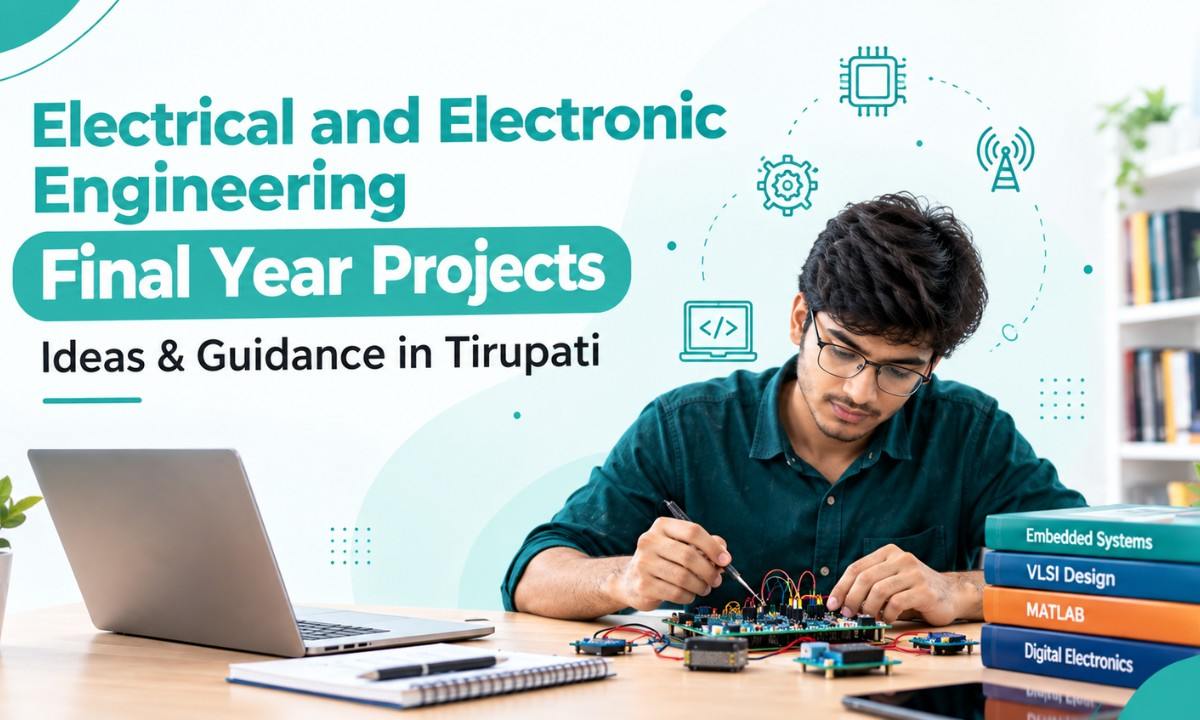 Electrical and Electronic Engineering Final Year Project Ideas & Guidance in Tirupati
  Workshop on Embedded Systems: Building Real-World Applications
  Top Internship Training & Certificate
  Internship Benefits Beyond the Resume: How It Shapes Your Career
  Internship to Job: 7 Proven Tips to Get Hired Faster
  Day in the Life: A Glimpse into the Realities of Internship Experience
  Internship Insights: What Recruiters Look for in Candidates
  Why Internships Matter: Building Bridges to Your Future Career
  Smart Mirror Based on Raspberry Pi
  Best Major & Mini Project Ideas for Engineering College Students
  Top B.Tech/M.Tech Engineering Projects Consultants & Services
  Engineering Project Ideas & Topics for Students
 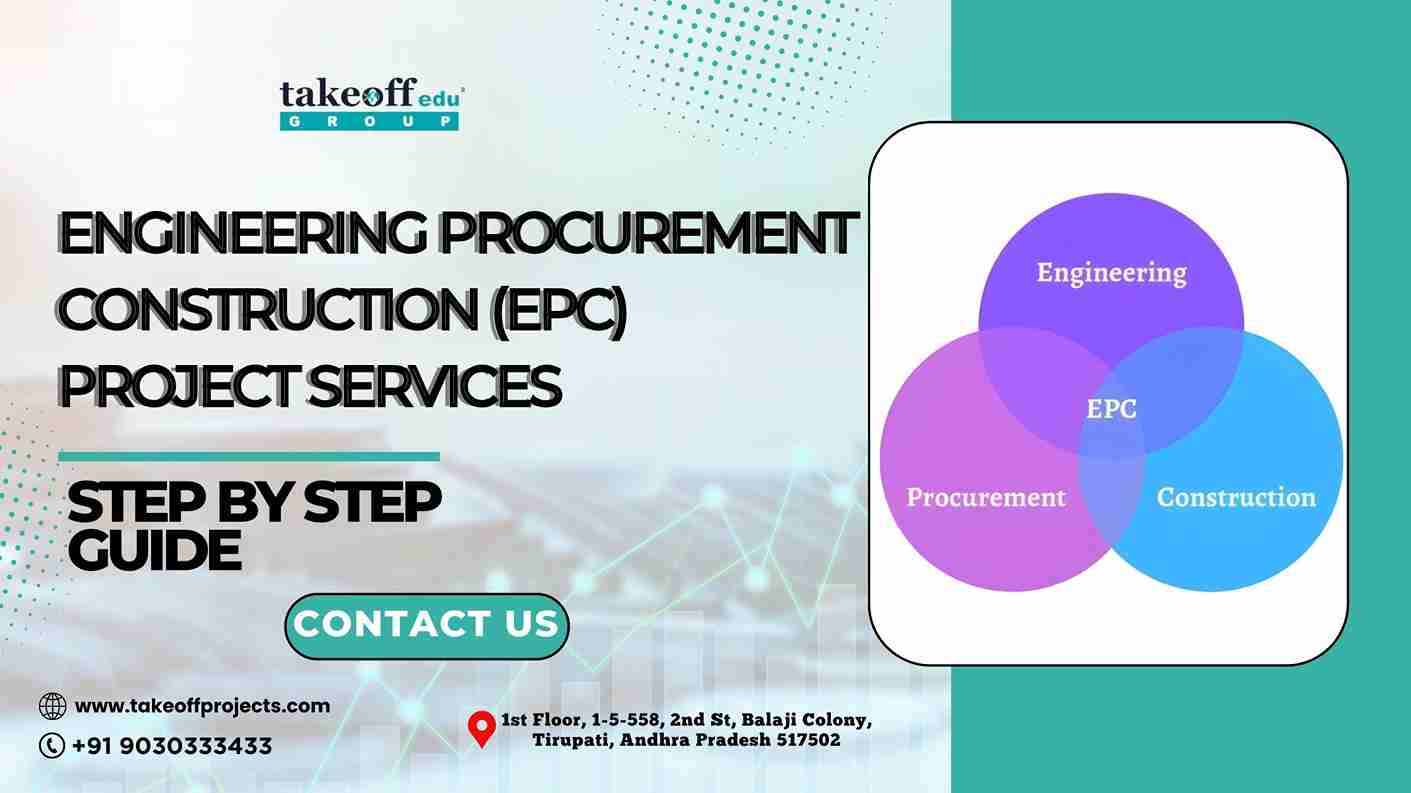 Engineering Procurement Construction (EPC) Project Services: Step By Step Guide
  IEEE Projects in Tirupati
 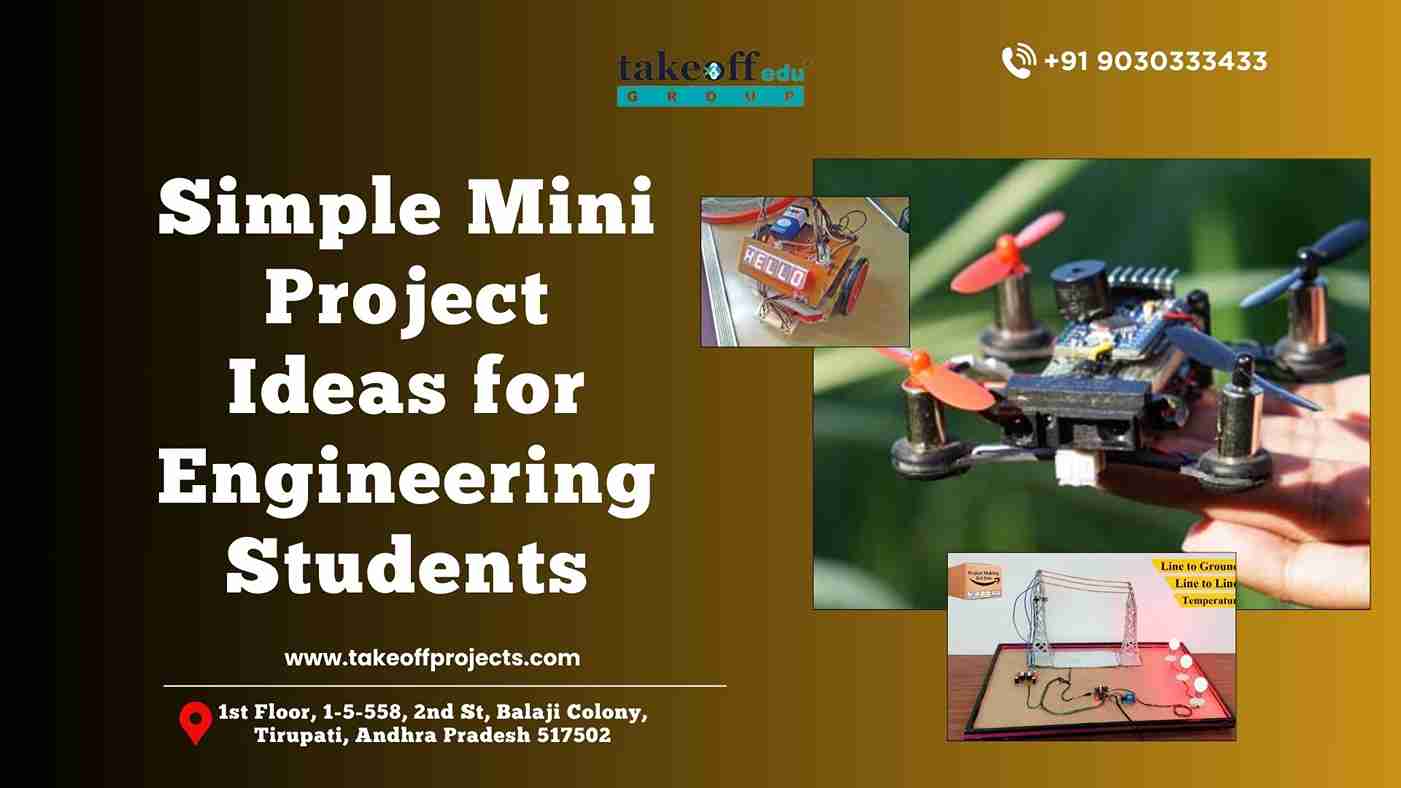 Simple Mini Project Ideas for Engineering Students
 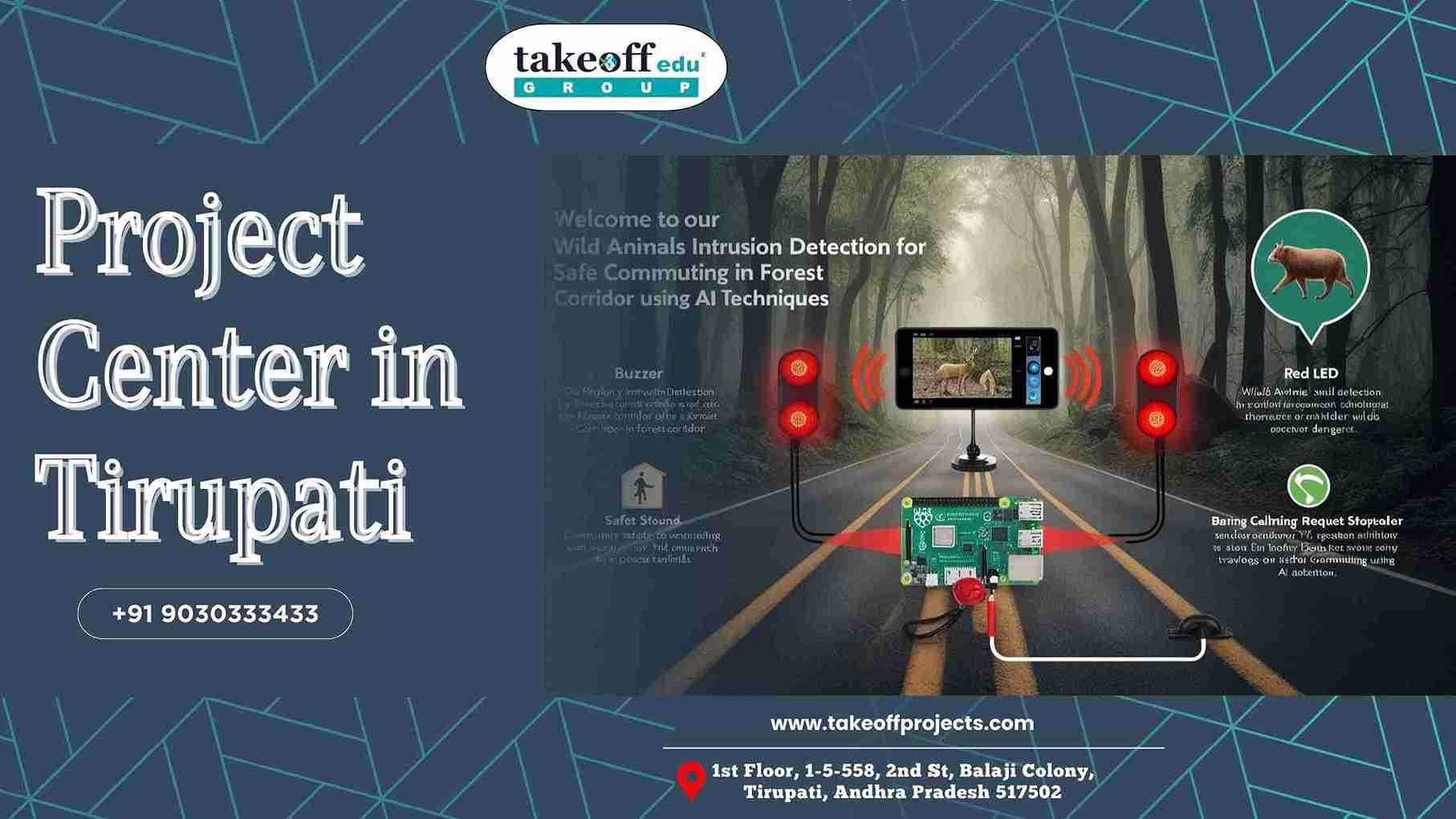 Project Center in Tirupati
  Top Engineering Project Consultants in Tirupati
  Innovative Software Engineering Projects: Shaping the Future of Technology
  Major Current and Upcoming Projects
  Best Project Management Consultant in Tirupati
  Top 10 Best Project Consultants in Andhra Pradesh
  Best Project Consultancy in Tirupati
  Advanced Technology Project Ideas in Chittoor
  Top Final Year Project Provider in Tirupati
  Mini and Major Projects in Chittoor
  Final Year Projects in Tirupati: Unlocking Your Academic Potential
  Affordable Academic Projects in India: A Gateway to Success
  Trending Engineering Project Ideas in Tirupati 2025
  Technical Project ideas for engineering students
  How Do I Choose A Project Topic Titles For Final Year Engineering Students?
  Find Best College Project Centers in Andhra Pradesh
  Latest Engineering Project Ideas for 2025
  Top Engineering Project Work in Vizianagaram: Empowering Student Success
  Final Year Project Ideas for Students in Chittoor
  Project Ideas for College Students in Telangana
  Top 10 Mini Project Ideas for College Students
  Project Work for Students in Tirupati
  Best Engineering Projects in Andhra Pradesh: A Comprehensive Guide
  Using Cloud-Based Tools for Collaborative Research Projects
  Advantages of Undergraduate Research Opportunities
  How to Prepare for Academic Research Conferences
  Understanding the Different Types of Academic Research
  Navigating the Peer Review Process: Tips for Success
  How to Write the Abstract for a Research Paper
  The Impact of Academic Research on Policy Making
  Exploring Open Access Journals for Academic Publishing
  The Role of Academic Journals in Disseminating Research
  How to Balance Coursework and Research Projects: A Guide to Academic Success
  The Importance of Research Ethics Committees
  Innovative Teaching Methods to Support Academic Research Projects
  Creating Impactful Visual Aids for Research Presentations
  The Benefits of Peer Review in Academic Research
  Surveys and Questionnaires are Effective in Academic Research
  Importance of Documentation Record-Keeping in Academic Research
  Overcoming Challenges in Academic Research Projects
  Leveraging Online Resources for Academic Research
  Successful Academic Projects in Computer Science: Case Studies
  Building a Research Network: The Importance of Conferences and Workshops
  How Technology Affects Academic Research?
  Getting Funding for Your Research Project: Tips and Resources
  Time Management Strategies for Academic Researchers
  Ethical Considerations in Academic Research
  How to Write and Publishing Your Academic Paper?
  Presenting Your Research: Guidelines To Consider When Making An Academic Presentation
  Analyzing Research Data: Effective Techniques in Engineering Projects
  Best Practices for Conducting a Literature Review
  Writing a Winning Student Research Proposal: A Step-by-Step Guide
  Project Management for Academic Research: Tools and Techniques
  How to Choose the Perfect Academic Project Topic?
  Presenting Final Year Project to Your Supervisor
  Trending Engineering Projects in 2024 Future-Ready
  Innovative Renewable Energy Project Ideas
  How Engineering Projects Ideas to contribute your academic year?
  Latest Engineering Projects in 2024
  Ethical Considerations in Image Processing: Balancing Innovation and Privacy
  From Pixels to Insights A Journey into Image Enhancement Algorithms
  The Role of Convolutional Neural Networks in Medical Image Analysis
 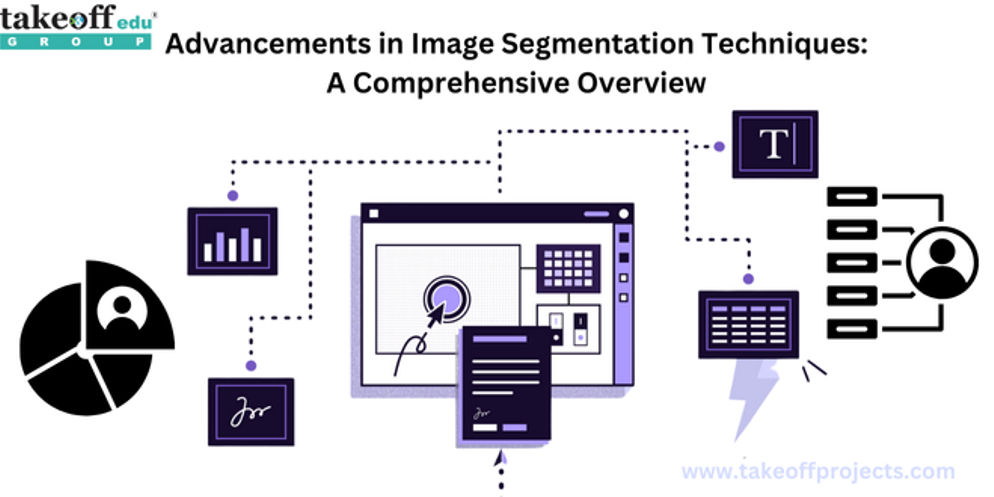 Advancements in Image Segmentation Techniques: A Comprehensive Overview
 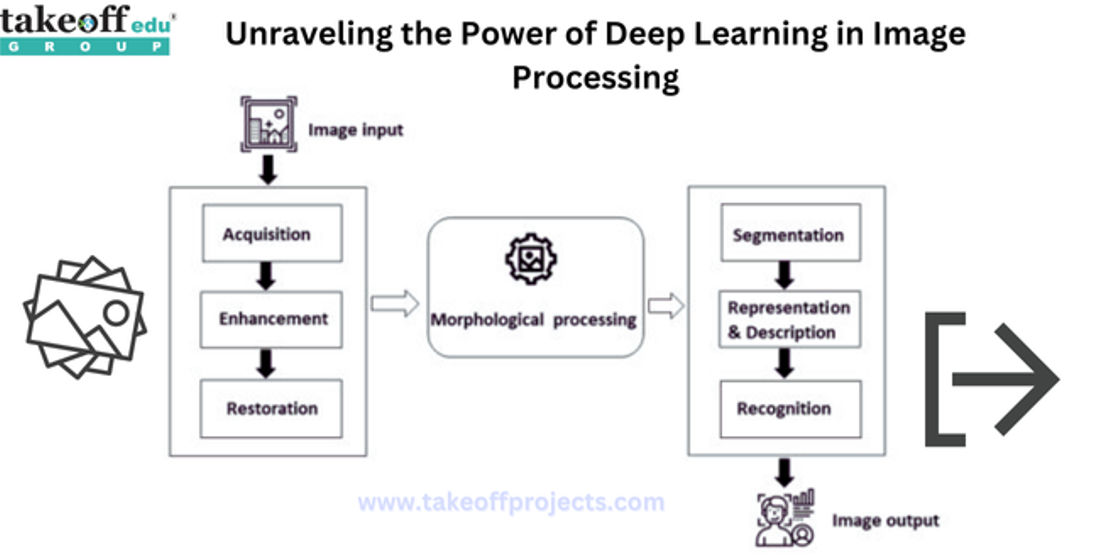 Unraveling the Power of Deep Learning in Image Processing
  Importance of Final Year Projects for Students
  How to Present Your Final Year Project to Your Supervisor?
  How to Choose the Right Final Year Project Topic?
  Common Mistakes to Avoid on Your Final Year Project
  How to Write a Winning Engineering Project Report?
  Low Cost Mini Projects Ideas for Civil Engineering
  Low Cost Mini Project Ideas for Mechanical Engineering
  BSc IT Projects for Final Year
  Instrumentation Projects for Final Year Students
  Biomedical Instrumentation Projects
  M.Tech Structural Engineering Projects
  M.Tech Thesis Writing Services
  M.Tech Projects for Electrical, Electronics & Software Engineering
  Latest Final Year Projects for B.Tech & M.Tech Students
  B.Tech Final Year Projects for Engineering Students
  Latest BCA Final Year Project Ideas
  Top BE Projects Ideas & Topics for Students
  14+ Interesting Engineering Projects
  IEEE Final Year Projects



























































































 Paper Publishing




