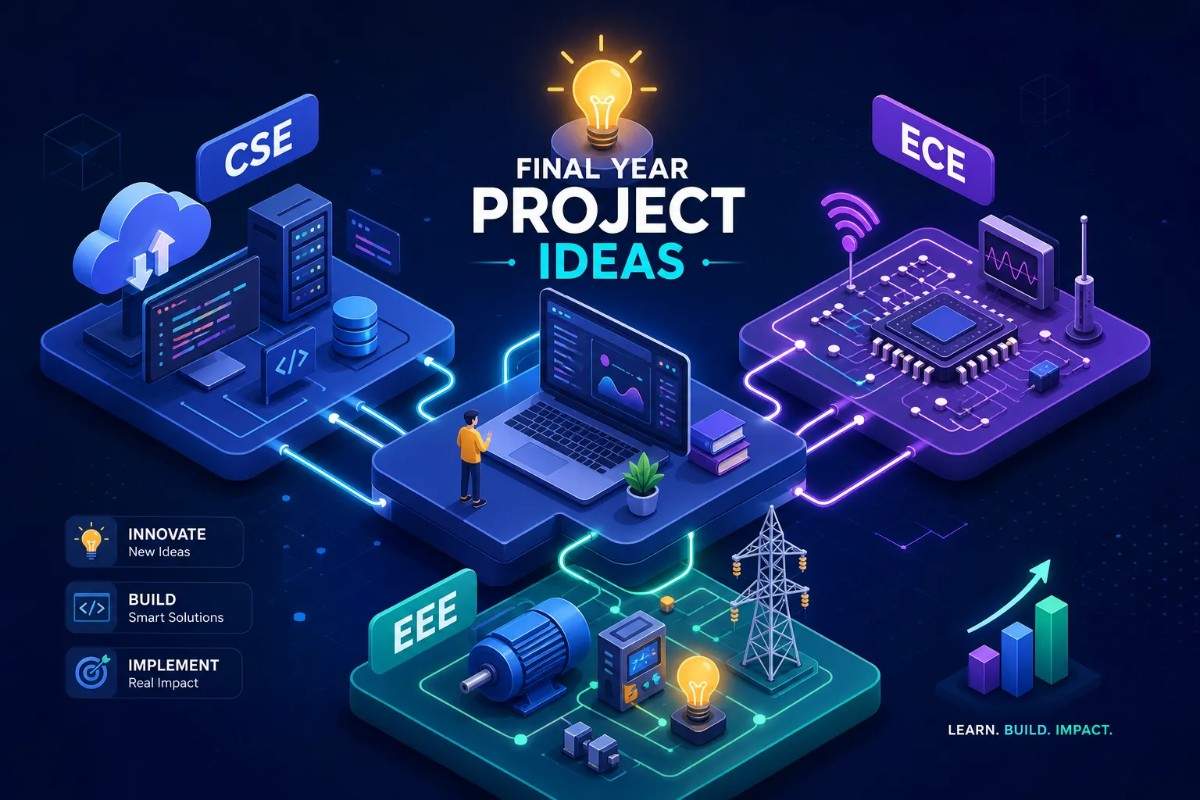

There is a moment every final-year engineering student knows well. You sit with a blank document open, the synopsis deadline is two weeks away, and every b tech final year project idea you type feels either too ambitious or embarrassingly simple. You scroll through pages of project lists, close three browser tabs, and somehow still have nothing. That paralysis is real, and it is completely normal.
Here is what working with engineering students across CSE, ECE, and EEE branches at Takeoff Projects has shown us time and again: the students who struggle longest are rarely the least capable. They are the ones trying to find the "most impressive" topic instead of the right-sized one. The students who succeed pick something they can finish, build it thoroughly, and explain every part of it with confidence. That distinction matters more than the idea itself.
This article covers domain-specific b tech final year project ideas suited to 2026, a realistic 8-week implementation plan, guidance on using open-source code responsibly, and a clear picture of what your report and viva need to contain.
How to pick a B Tech final year project you can actually finish
Most students approach project selection backwards. They find a trending topic, fall in love with the concept, and only later discover that they lack the dataset, hardware, programming skills, or time to build it properly. A better approach is to apply two filters before novelty even enters the conversation: is this feasible within your remaining semester weeks, and does it produce a measurable outcome you can demonstrate?
Your branch, your current programming or hardware skills, your guide's areas of interest, and your access to components or cloud resources all constrain the choice before you even consider originality. Acknowledging those constraints early is not pessimism; it is the engineering way of thinking about a problem.
The one question to ask before committing to a topic
Ask yourself this: "Can I demonstrate this working in 8 weeks?" Not perfectly, not with every planned feature, but working end-to-end with real results. A working prototype with honest results will always score better than an ambitious idea that exists only in the introduction chapter of an unfinished report.
A more useful mental model is to narrow the scope and deepen the contribution. A face-recognition attendance system built, tested, and evaluated thoroughly with precision, recall, and a bias analysis will impress an examiner far more than a vague "AI-based smart campus ecosystem" that never gets past the architecture diagram.
The scope trap that quietly derails most projects
Scope creep is a leading cause of project failure, and it rarely announces itself dramatically. It starts quietly. You plan a face-recognition attendance system, then decide to add real-time SMS alerts, then an admin dashboard, then an Android app, and finally a blockchain-based audit trail. Each addition feels reasonable at the time, but together they transform a completable project into an unfinishable one.
The practical defence against this is simple: write the project scope on paper on Day 1 and treat every addition that comes after as a "future work" item in the report. Future work sections are not a sign of weakness; they show the examiner that you understand the boundaries of your own system and can think beyond them.

B Tech final year project ideas by branch: CSE, ECE and EEE worth building
The goal here is a focused shortlist of ideas that are current enough to matter, scoped tightly enough to finish, and technically deep enough to produce something genuinely worth examining, not an exhaustive catalogue.
CSE project ideas using AI, ML, and full-stack tech
For computer science students in 2026, the strongest b tech final year project ideas combine a well-understood problem with a modern evaluation methodology. Deepfake image and video detection using Vision Transformers is an excellent choice: the demo is visual and immediately convincing, the stack uses PyTorch and Streamlit, and adding explainability through attention maps gives you a genuine original contribution. Phishing URL detection with XGBoost and a browser extension is another strong option because it has a real-world deployment surface and produces measurable precision and recall metrics.
Blockchain-based academic certificate verification using Solidity, IPFS, and a React front end scores well in evaluation because it demonstrates full-stack thinking and has an obvious real-world application. Plant disease detection using a CNN trained on the PlantVillage dataset, wrapped in a Flutter mobile application, works particularly well for students who want a hardware-light project with a clear beneficiary. Whichever idea you pursue, focus on adding evaluation metrics and explainability layers that lift your project from "it works" to "it works and I can prove it."
ECE and EEE project ideas with minimal hardware
The fear many ECE and EEE students have is that a hardware-light project will look thin to examiners. That concern disappears the moment you add intelligence or a dashboard to a sensor circuit. A predictive water tank controller using an ESP32, an HC-SR04 ultrasonic sensor, and a relay module costs roughly ₹600 to ₹1,200 in components, but the prediction logic that anticipates overflow or emptying before it happens is what makes it a final-year project rather than a first-year lab exercise.
Similarly, a motor bearing fault detector using an ESP32 and an MPU6050 accelerometer (₹500 to ₹1,000) becomes genuinely research-worthy when you compare time-domain vibration features against FFT-based frequency analysis. An adaptive street-light simulator using an Arduino, LDR sensors, and IR obstacle detection (₹500 to ₹1,000) gains examination value the moment you add energy-consumption logging and compare it against a fixed-timing baseline. In every case, a simple web dashboard built using Thing Speak or ESP32's Wi-Fi capability transforms a basic circuit into something evaluation-worthy.
What separates a passable project from a high-scoring one?
Examiners are not looking for a research breakthrough. They are looking for evidence that you made at least one original contribution and understood it deeply. That contribution does not need to be dramatic. Adding multilingual support to an existing chatbot, or comparing three machine-learning algorithms on the same dataset instead of presenting only one, demonstrates that you engaged with the problem as an engineer rather than as someone who followed a tutorial. Including a bias analysis on your model's predictions takes that further still.
The projects that score poorly are not necessarily the technically weakest. They are the ones where the student cannot explain the architecture, the results have no baseline comparison, or the scope was so large that nothing was finished properly.
A week-by-week B Tech final year project plan: from synopsis to demonstration
Students know they need a plan. What they rarely know is what each week should actually produce, as opposed to what it involves. The difference matters: "work on implementation" is not a milestone. "First end-to-end prototype with test data" is.
The 8-week milestone breakdown
Weeks 1 and 2 are for foundations: finalise the topic, define the scope, identify your dataset or hardware requirements, and get the synopsis approved. Do not skip the synopsis review; guide feedback at this stage saves weeks of rework later. The project synopsis for your B Tech submission should be specific about the problem statement, the proposed solution, and the expected outcome, vague synopses invite vague feedback. Week 3 is for architecture: system diagrams, database schema or circuit design, UI wireframes, and repository setup. By the end of Week 3, you should be able to draw the full system from memory.
Week 4 is the most important milestone in the entire timeline: a working end-to-end prototype. It does not need all features. It needs the main flow to work with real data. Students who reach a working prototype by Week 4 significantly reduce the risk of incomplete submission. Those who do not are the ones rushing to demo half-finished code. Week 5 brings the feature-complete MVP; Week 6 integrates all components and produces initial results. Week 7 is for testing, bug fixes, and drafting the report. Week 8 is for freezing the build, rehearsing the demonstration, and preparing slides.
What to protect in the final week (and what to leave out)
The last three to five days before submission are not for new features. They exist for backups, printing, signatures, guide sign-off, rehearsal, and a thorough check of the report format. Students who add features in the final week invariably break something they were about to demonstrate; this is not bad luck, it is the predictable consequence of introducing change at the worst possible moment.
A structured weekly review with your guide is the most effective way to avoid this situation. When a guide or mentor sees the project at each milestone, course corrections happen early enough to matter. If you are working without that structured review, build it yourself: a short weekly check-in with your college guide, even ten minutes, is enough to catch a scope problem before it becomes a crisis.
Finding and using open-source code without getting into trouble
Most students want to use existing code as a starting point, and that is entirely acceptable. It is how professional engineers work. The question is not whether to use repositories but how to use them correctly.
GitHub repositories worth bookmarking for B Tech projects
Several repositories provide a genuinely useful starting point for B Tech final year project adaptation. The Projects-Developer/50-Final-Year-Projects-with-Source-Code collection on GitHub includes source code, reports, presentations, synopses, and tutorials across AI, ML, web, and IoT domains, it is one of the more comprehensive publicly available collections of B Tech project topics with source code.
The face-recognition attendance system, fake news detection, CO2 emission prediction, and potato disease detection repositories each include code and supporting documentation. Before selecting any repository, verify three things: a working README with reproducible setup instructions, a clearly stated licence, and a documented dataset source. A repository without these basics will cost you more time than it saves.
How to adapt code without triggering a plagiarism flag
The correct approach is to treat the repository as a learning reference, not a submission. Record the commit hash, licence, and known limitations of the repository you start from. Then build at least one original contribution on top: a new dataset, an additional feature, a comparative evaluation, real-time deployment, or multilingual support. Your project report must describe your own work and your own findings, not the original repository's documentation.
Indian universities increasingly use plagiarism detection tools on both text and code submissions. Many institutions accept similarity scores below 20 to 30 percent after legitimate exclusions such as references and standard equations, though some require below 10 percent. Check your own department's written guidelines, not general estimates. A well-structured B Tech final year project report will naturally keep similarity scores low by describing your own methods, results, and analysis in your own words rather than reproducing source documentation.

Report format, synopsis structure and viva preparation
After implementation, most students severely underestimate how long documentation takes. A rushed report with a missing literature review, unlabelled diagrams, and inconsistent citation styles can drag down an otherwise strong project. Documentation is not administrative overhead. It is the proof that you understood what you built.
B Tech final year project report format: what to include
The standard sequence accepted across most Indian universities runs as follows: cover and title page, declaration, certificate, acknowledgement, abstract, table of contents, list of figures and tables, introduction, literature review, methodology and system design, implementation and results, discussion, conclusion and future scope, references, and appendices. Specific formatting requirements vary by university. VTU specifies a left margin of 1.25 inches with top and bottom at 0.75 inches (refer to your university's current project guidelines for the latest requirements). AKTU commonly requires a left margin of 1.5 inches. JNTU and SPPU requirements often differ even between affiliated colleges.
Always confirm the exact font, margins, line spacing, citation style, and binding requirements with your guide or project coordinator before formatting the final document. Editable report templates, available from commercial mentoring services and sometimes from your own department, can serve as a useful starting point, but treat them as a reference structure rather than a submission-ready document, and confirm every formatting detail with your guide.
Viva preparation: what examiners actually ask?
Viva examiners follow a predictable logic: they want to know whether you can explain your problem, your choices, your results, and your limitations in plain language. The most common questions fall into these categories: why this problem, why this technology stack, how the architecture works, what the limitations are, how the system behaves on edge cases, and what you would do differently. For machine-learning projects, expect questions about dataset size, accuracy, F1-score, class imbalance, and overfitting. For hardware projects, expect questions about component ratings, calibration, and power consumption.
The best viva preparation is to read your own report the night before, identify every section you would struggle to explain in your own words, and prepare a short honest answer for those gaps. Rehearse the three-minute demonstration walkthrough until it feels natural. Examiners respond well to honesty about limitations; a student who says "the model struggles with images taken in low light, and improving training data diversity is the most obvious next step" demonstrates far more technical maturity than one who claims the system is perfect.
Start today, not when it feels ready
Every successful B Tech final year project started exactly where you are now: a blank page, a looming deadline, and no idea that felt quite right. The difference between students who submit a project they are proud of and those who scramble through the last week is not talent; it is the decision to start with something concrete rather than waiting for the perfect idea.
Start today by shortlisting two or three ideas from the domain-specific list in this article, drafting a two-paragraph scope statement that defines what the system will and will not do, and booking a standing check-in with your guide. Those steps will do more for your project than another week of browsing project lists.
If you want structured support through every stage, from topic finalization and synopsis to implementation, documentation, and viva preparation, get in touch with the team at Takeoff Projects. We offer mentorship and project development packages across CSE, ECE, and EEE. Reach out to our team and let us help you build something you genuinely understand and can be proud of.
 Electrical and Electronic Engineering Final Year Projects in Vijayawada: Guide & How to Choose
  Final Year Projects in Chennai: Innovative Ideas for Engineering Students
  Latest Electrical and Electronic Engineering Final Year Projects in Hyderabad
  Final Year Projects in Hyderabad: Ideas, Guidance & Development
  Electrical and Electronic Engineering Final Year Project Ideas & Guidance in Tirupati
  Workshop on Embedded Systems: Building Real-World Applications
  Top Internship Training & Certificate
  Internship Benefits Beyond the Resume: How It Shapes Your Career
  Internship to Job: 7 Proven Tips to Get Hired Faster
  Day in the Life: A Glimpse into the Realities of Internship Experience
  Internship Insights: What Recruiters Look for in Candidates
  Why Internships Matter: Building Bridges to Your Future Career
  Smart Mirror Based on Raspberry Pi
  Best Major & Mini Project Ideas for Engineering College Students
  Top B.Tech/M.Tech Engineering Projects Consultants & Services
  Engineering Project Ideas & Topics for Students
  Engineering Procurement Construction (EPC) Project Services: Step By Step Guide
  IEEE Projects in Tirupati
  Simple Mini Project Ideas for Engineering Students
 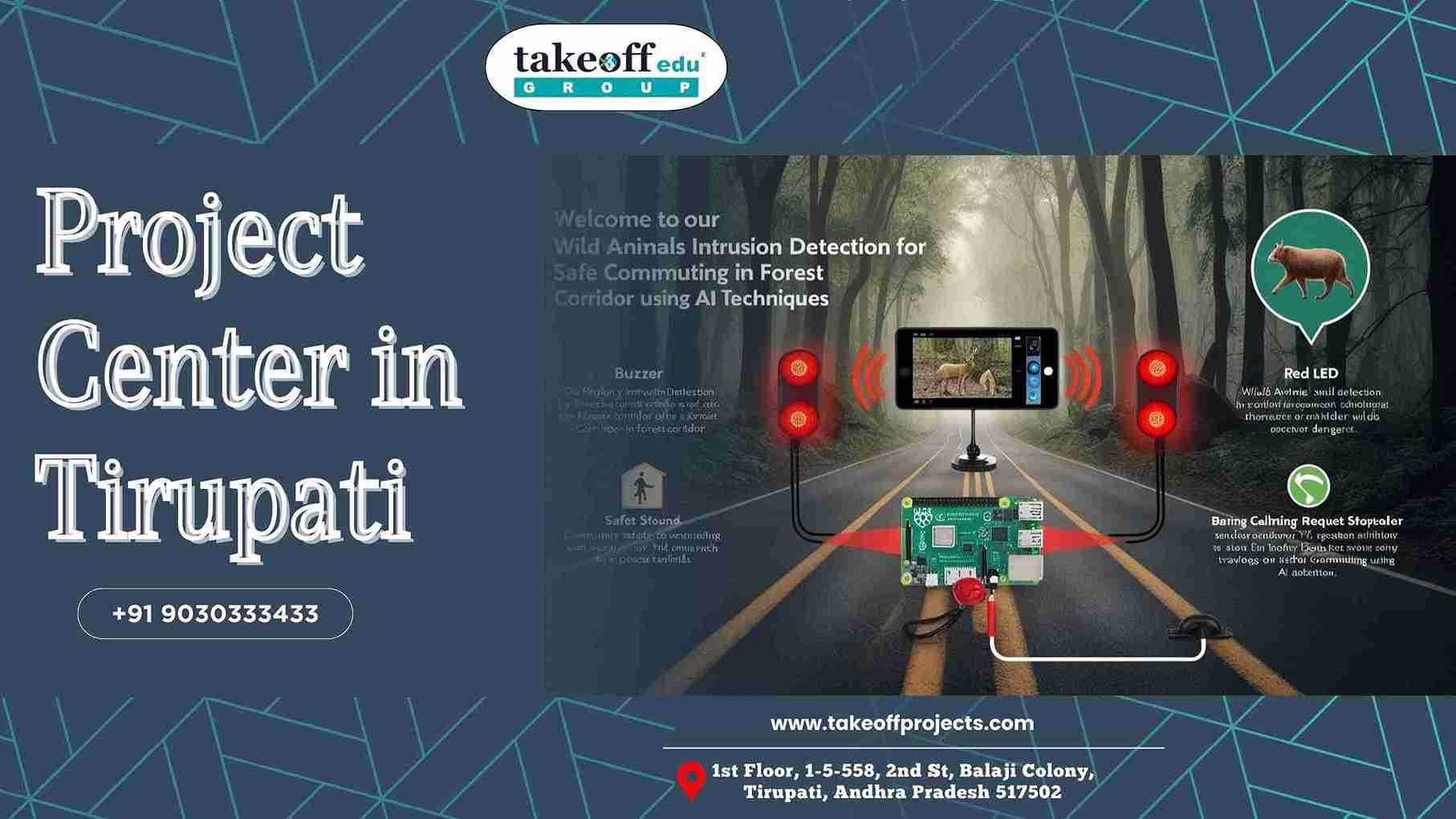 Project Center in Tirupati
  Top Engineering Project Consultants in Tirupati
  Innovative Software Engineering Projects: Shaping the Future of Technology
  Major Current and Upcoming Projects
  Best Project Management Consultant in Tirupati
  Top 10 Best Project Consultants in Andhra Pradesh
  Best Project Consultancy in Tirupati
  Advanced Technology Project Ideas in Chittoor
  Top Final Year Project Provider in Tirupati
  Mini and Major Projects in Chittoor
  Final Year Projects in Tirupati: Unlocking Your Academic Potential
  Affordable Academic Projects in India: A Gateway to Success
  Trending Engineering Project Ideas in Tirupati 2025
  Technical Project ideas for engineering students
  How Do I Choose A Project Topic Titles For Final Year Engineering Students?
  Find Best College Project Centers in Andhra Pradesh
  Latest Engineering Project Ideas for 2025
  Top Engineering Project Work in Vizianagaram: Empowering Student Success
  Final Year Project Ideas for Students in Chittoor
  Project Ideas for College Students in Telangana
  Top 10 Mini Project Ideas for College Students
  Project Work for Students in Tirupati
  Best Engineering Projects in Andhra Pradesh: A Comprehensive Guide
  Using Cloud-Based Tools for Collaborative Research Projects
  Advantages of Undergraduate Research Opportunities
  How to Prepare for Academic Research Conferences
  Understanding the Different Types of Academic Research
  Navigating the Peer Review Process: Tips for Success
  How to Write the Abstract for a Research Paper
  The Impact of Academic Research on Policy Making
 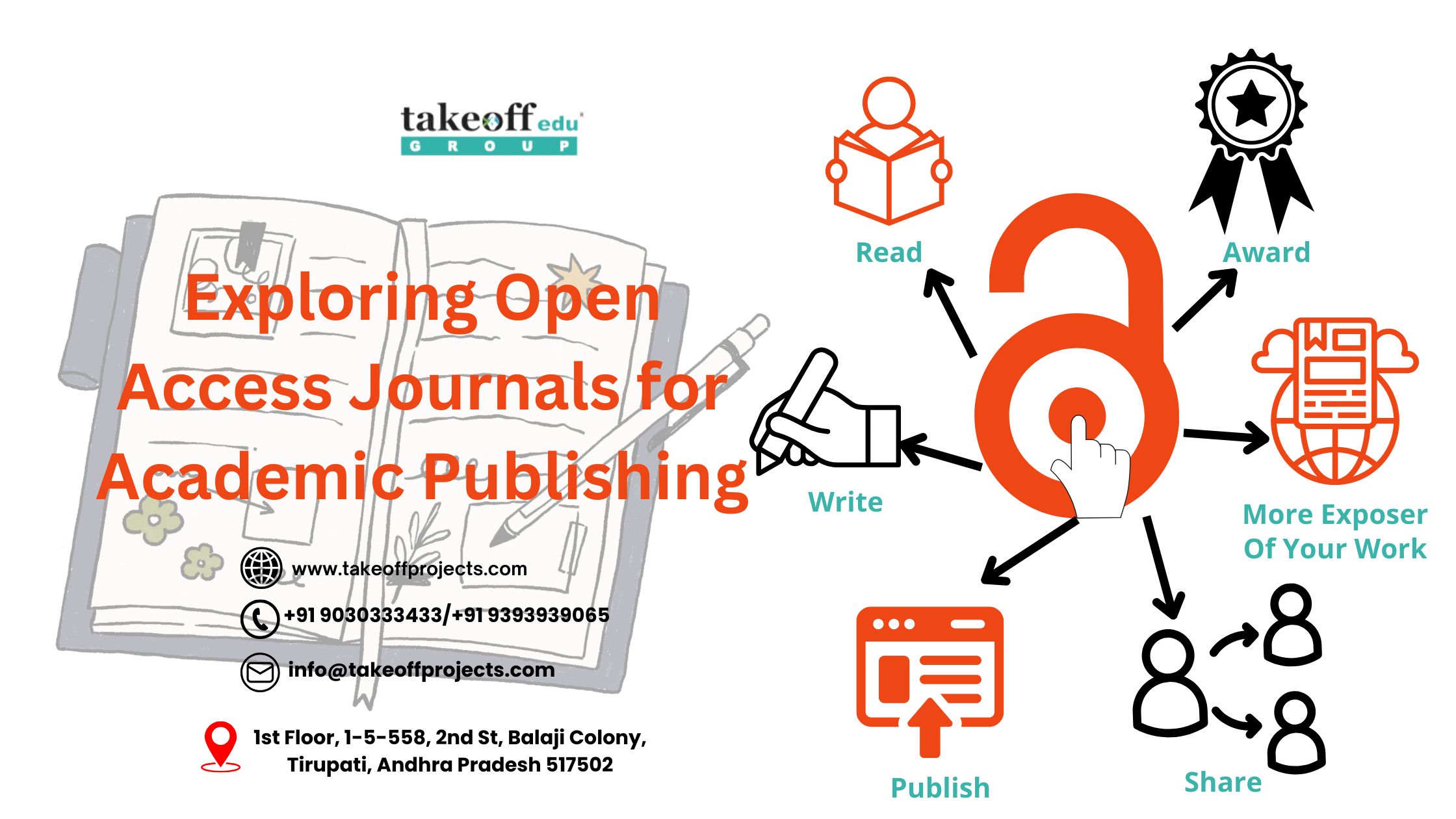 Exploring Open Access Journals for Academic Publishing
  The Role of Academic Journals in Disseminating Research
  How to Balance Coursework and Research Projects: A Guide to Academic Success
  The Importance of Research Ethics Committees
  Innovative Teaching Methods to Support Academic Research Projects
  Creating Impactful Visual Aids for Research Presentations
  The Benefits of Peer Review in Academic Research
  Surveys and Questionnaires are Effective in Academic Research
  Importance of Documentation Record-Keeping in Academic Research
  Overcoming Challenges in Academic Research Projects
  Leveraging Online Resources for Academic Research
  Successful Academic Projects in Computer Science: Case Studies
  Building a Research Network: The Importance of Conferences and Workshops
  How Technology Affects Academic Research?
  Getting Funding for Your Research Project: Tips and Resources
  Time Management Strategies for Academic Researchers
  Ethical Considerations in Academic Research
  How to Write and Publishing Your Academic Paper?
  Presenting Your Research: Guidelines To Consider When Making An Academic Presentation
  Analyzing Research Data: Effective Techniques in Engineering Projects
  Best Practices for Conducting a Literature Review
  Writing a Winning Student Research Proposal: A Step-by-Step Guide
  Project Management for Academic Research: Tools and Techniques
  How to Choose the Perfect Academic Project Topic?
  Presenting Final Year Project to Your Supervisor
  Trending Engineering Projects in 2024 Future-Ready
  Innovative Renewable Energy Project Ideas
  How Engineering Projects Ideas to contribute your academic year?
  Latest Engineering Projects in 2024
 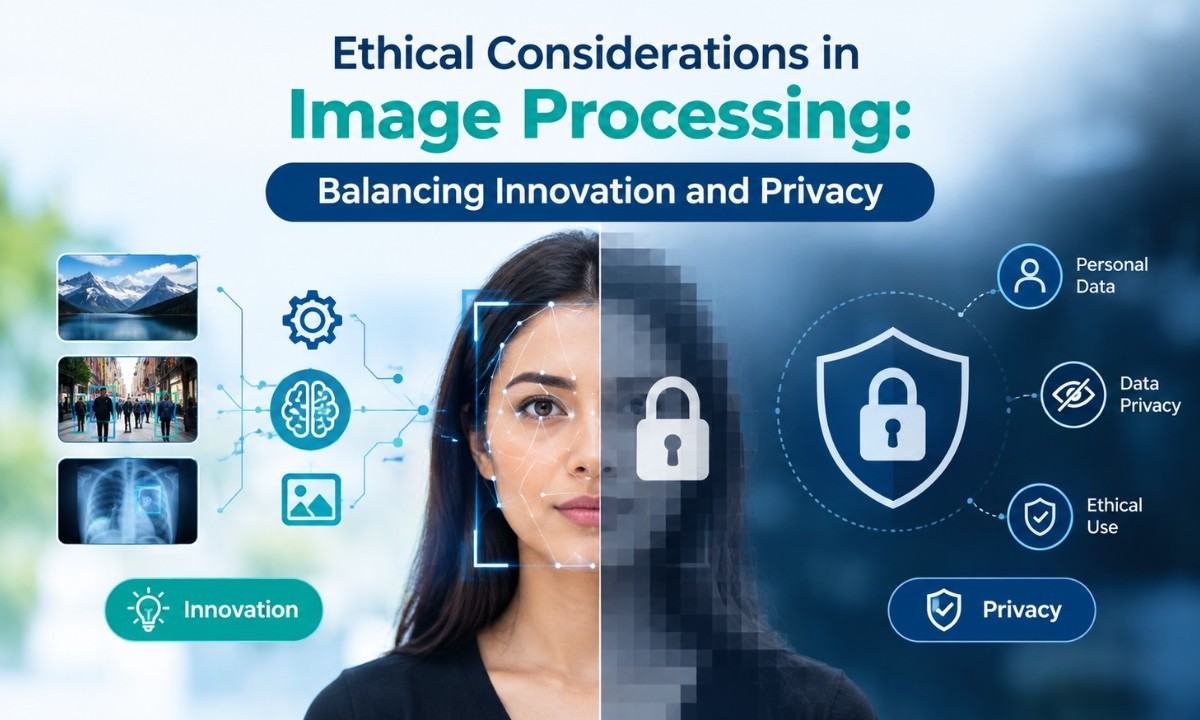 Ethical Considerations in Image Processing: Balancing Innovation and Privacy
  From Pixels to Insights A Journey into Image Enhancement Algorithms
 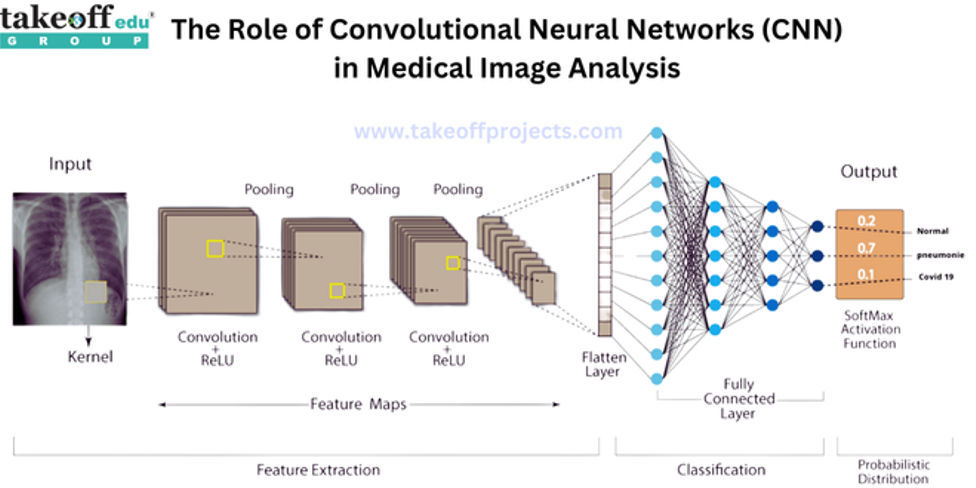 The Role of Convolutional Neural Networks in Medical Image Analysis
  Advancements in Image Segmentation Techniques: A Comprehensive Overview
 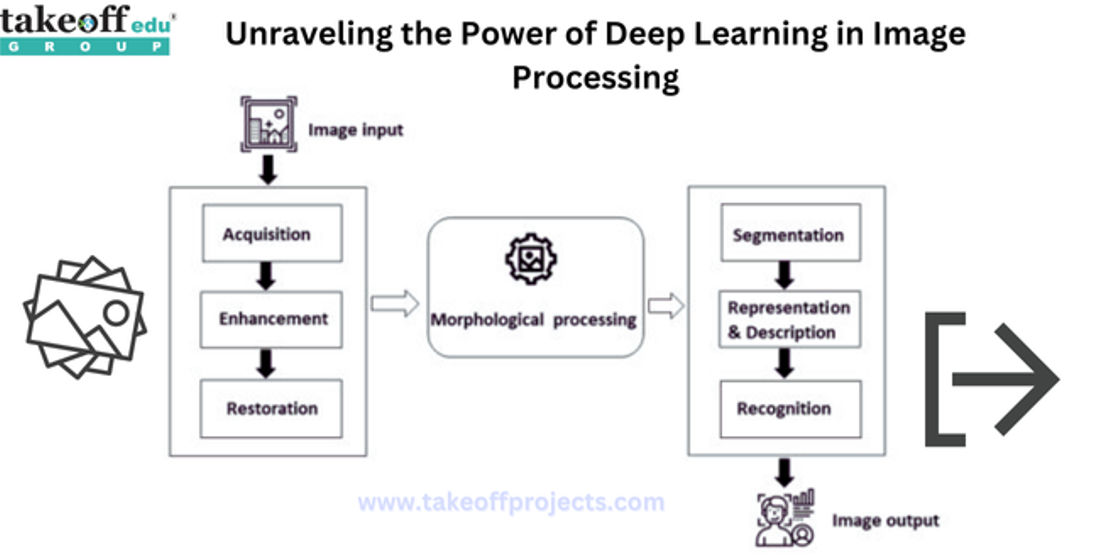 Unraveling the Power of Deep Learning in Image Processing
  Importance of Final Year Projects for Students
  How to Present Your Final Year Project to Your Supervisor?
  How to Choose the Right Final Year Project Topic?
  Common Mistakes to Avoid on Your Final Year Project
  How to Write a Winning Engineering Project Report?
  Low Cost Mini Projects Ideas for Civil Engineering
  Low Cost Mini Project Ideas for Mechanical Engineering
  BSc IT Projects for Final Year
 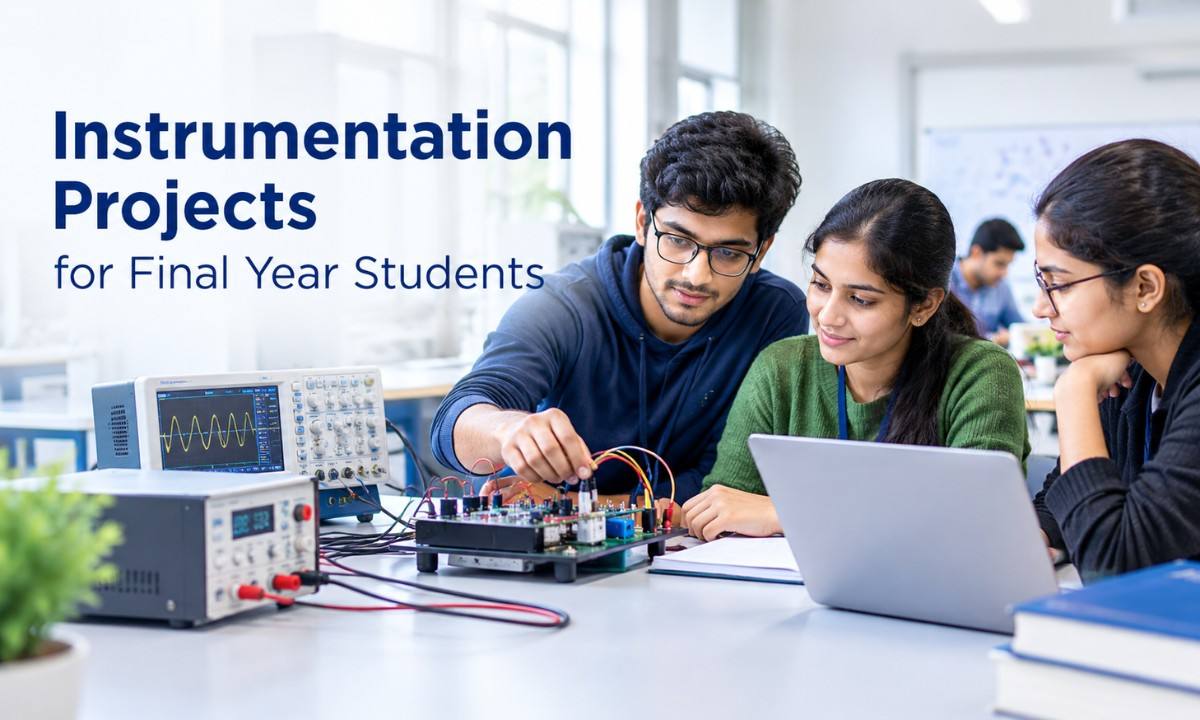 Instrumentation Projects for Final Year Students
 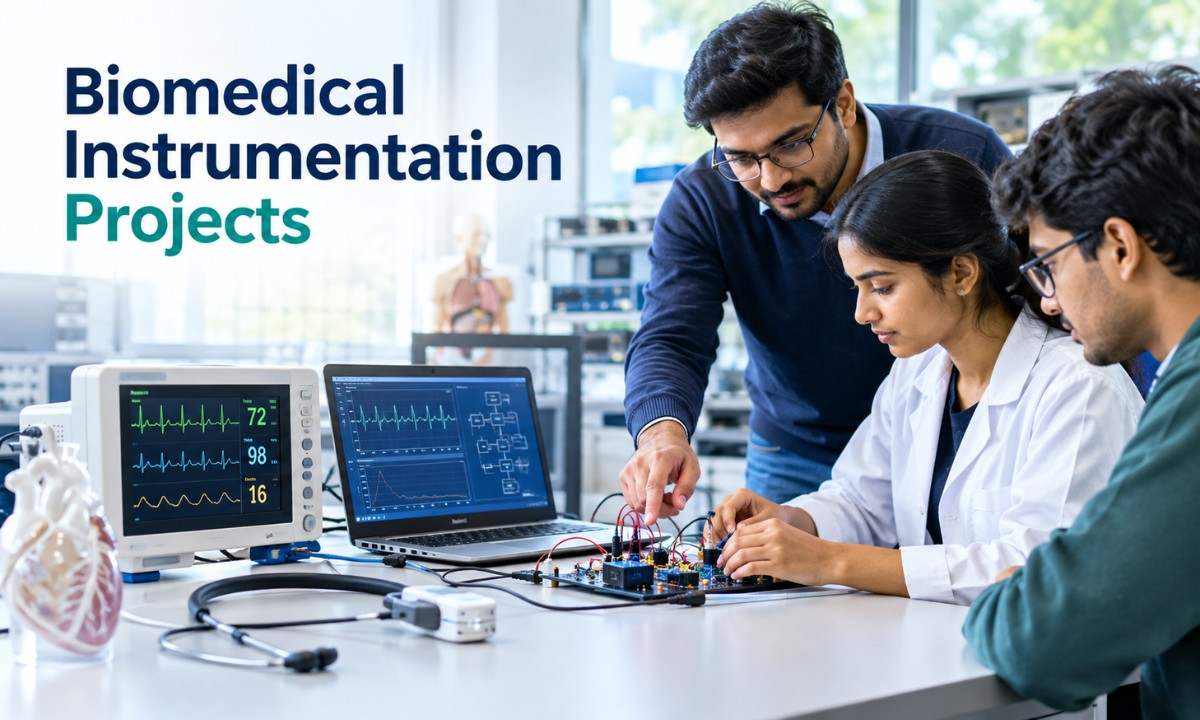 Biomedical Instrumentation Projects
 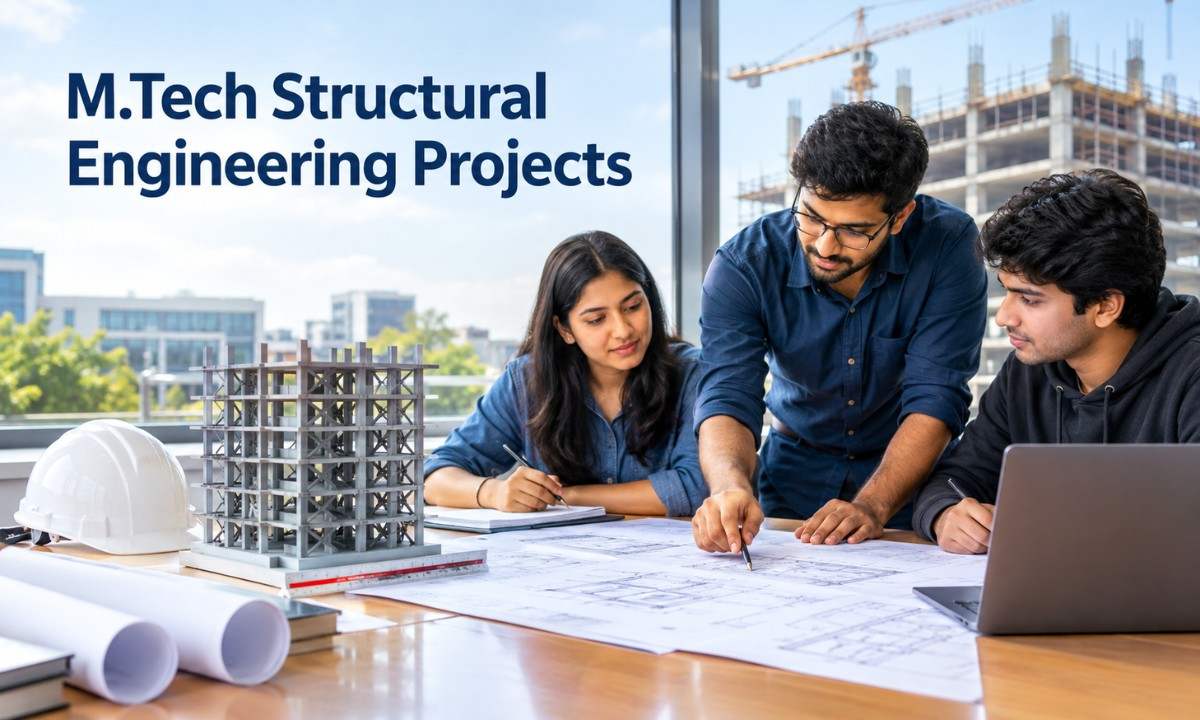 M.Tech Structural Engineering Projects
  M.Tech Thesis Writing Services
  M.Tech Projects for Electrical, Electronics & Software Engineering
  Latest Final Year Projects for B.Tech & M.Tech Students
  B.Tech Final Year Projects for Engineering Students
  Latest BCA Final Year Project Ideas
  Top BE Projects Ideas & Topics for Students
  14+ Interesting Engineering Projects
  IEEE Final Year Projects

























































































 Paper Publishing




