
Introduction
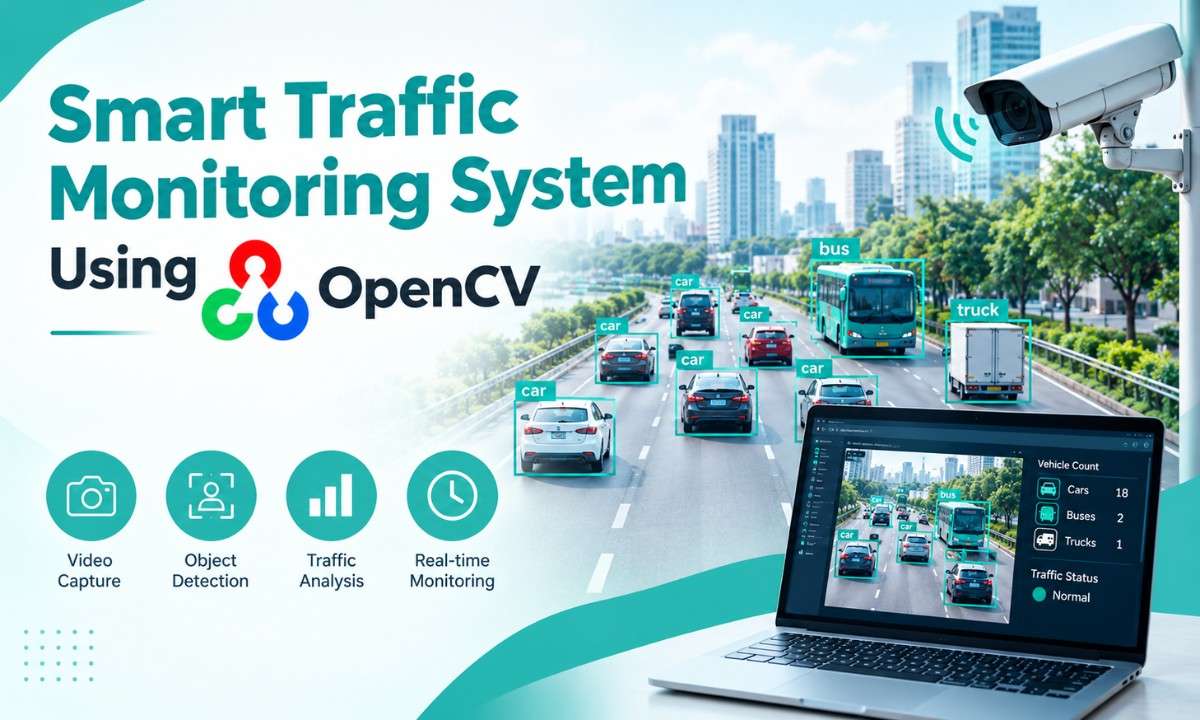
A Smart Traffic Monitoring System using and OpenCV is a computer vision project designed to detect vehicles, count traffic, and estimate road congestion automatically. With increasing vehicle numbers in urban areas, traditional traffic monitoring methods often struggle to analyze traffic conditions efficiently. OpenCV, combined with Python and artificial intelligence techniques, helps developers build intelligent systems that process traffic videos and generate useful information.
For engineering students, this project provides practical experience in image processing, object detection, video analysis, and automation. It also demonstrates how computer vision can address real-world transportation challenges. Takeoff Edu Group encourages students to explore innovative engineering projects that combine theoretical knowledge with practical implementation.
This blog explains how a smart traffic monitoring system works, its key features, technologies, implementation process, applications, and future enhancements. It also introduces related OpenCV projects for engineering students.
What Is a Smart Traffic Monitoring System Using OpenCV?
A smart traffic monitoring system uses cameras and computer vision algorithms to analyze traffic movement. It processes video footage to detect vehicles, calculate vehicle counts, and estimate traffic density in a selected road area.
OpenCV, or Open Source Computer Vision Library, is a widely used library for image processing and video analysis. It provides functions for reading video streams, manipulating images, detecting motion, and displaying processed results.
A basic system can identify moving vehicles and count them as they cross a virtual line. An advanced system can use deep learning models to classify cars, buses, motorcycles, and trucks.
The primary objectives of this project are:
- Automating vehicle detection and counting.
- Estimating traffic density on roads.
- Identifying potential congestion.
- Analyzing traffic patterns using video data.
- Generating useful statistics for traffic management.
- Reducing the need for manual traffic observation.
How Does a Smart Traffic Monitoring System Work?
A smart traffic monitoring system follows several steps to convert video footage into meaningful traffic information.
1. Video Acquisition
The system captures road traffic using a CCTV camera, webcam, or recorded video file. Students can start with existing traffic videos before connecting a live camera.
2. Image Preprocessing
Video frames may contain noise, shadows, and changing lighting conditions. OpenCV can resize frames, convert them to grayscale, and apply filters to prepare images for analysis.
3. Vehicle Detection
The system identifies vehicles appearing in each frame. Basic implementations may use background subtraction and contour detection to identify moving objects. More advanced projects can use pretrained deep learning models such as YOLO for vehicle detection and classification.
4. Vehicle Counting and Tracking
Detected vehicles can be tracked across consecutive frames. A virtual line is placed on the video, and the system increments the vehicle count when a tracked vehicle crosses it.
Tracking helps prevent the same vehicle from being counted multiple times.
5. Traffic Density Estimation
The system estimates traffic density by counting vehicles within a defined region or calculating road occupancy. Based on predefined thresholds, traffic conditions can be classified as low, medium, or high density.
6. Result Visualization
Finally, the system displays vehicle counts, bounding boxes, and traffic density information on the video. A dashboard can also present traffic statistics for further analysis.

Technologies Used in the Project
Students can develop this project using a combination of programming tools and computer vision technologies.

For beginners, Python and OpenCV are sufficient to develop a basic prototype. Deep learning models and dashboard technologies can be introduced as the project becomes more advanced.
Key Features of a Smart Traffic Monitoring System
A smart traffic monitoring project can include several features depending on its complexity.
Automatic vehicle counting: Counts vehicles crossing a designated line or entering a monitoring region.
Vehicle classification: Identifies different vehicle categories using a suitable detection model.
Traffic density estimation: Classifies traffic conditions using vehicle counts or road occupancy measurements.
Real-time monitoring: Processes live camera footage when the hardware and algorithm support the required frame rate.
Traffic statistics: Generates information about vehicle counts and traffic patterns over time.
Congestion alerts: Displays warnings when traffic measurements exceed predefined thresholds.
Historical analysis: Stores traffic statistics to help compare traffic conditions across different times.
These features make the project suitable for academic demonstrations and further research into intelligent transportation systems.
Step-by-Step Implementation
Engineering students can follow a structured development process to build a smart traffic monitoring system using OpenCV.
Step 1: Set Up the Environment
Install Python, OpenCV, and NumPy. If vehicle detection uses a deep learning model, install its required dependencies as well.
Step 2: Load Traffic Footage
Use OpenCV's video capture functionality to read a recorded traffic video or camera stream.
Step 3: Process Video Frames
Read the video frame by frame and apply preprocessing techniques. Depending on the approach, this may involve background subtraction, filtering, or preparing frames for a detection model.
Step 4: Detect Vehicles
Identify vehicles and draw bounding boxes around them. Configure the detection model's confidence threshold to reduce unreliable detections.
Step 5: Count Vehicles
Define a virtual counting line and use object tracking to identify vehicles crossing it. Update the count when each tracked vehicle crosses the line in the selected direction.
Step 6: Estimate Traffic Density
Define a road region and calculate the number of vehicles within it. Establish thresholds to classify traffic as low, medium, or high density.
Step 7: Test the System
Evaluate the project using different traffic videos and lighting conditions. Compare automatic counts with manually verified counts to identify errors and improve performance.
Students should measure counting accuracy, missed detections, duplicate counts, and processing speed to understand the system's limitations.

OpenCV Projects for Engineering Students
OpenCV projects for engineering students provide opportunities to apply image processing, computer vision, and artificial intelligence concepts to practical problems. These projects are useful for mini-projects, final-year projects, and technical portfolios.
Here are some popular project ideas:
1. Healthcare Monitoring Revolution through Face Detection Using BP and SpO2:
Combines face detection with sensor-based blood pressure and oxygen saturation monitoring for healthcare applications.
2. Integrating AI for Enhanced Driver Safety a Survey on Vehicle and Health Monitoring Systems: Explores AI-based vehicle monitoring and driver health analysis to improve road safety.
3. VanyaRakshak: Advanced Intrusion Detection System for Rainforest Protection:
Uses computer vision and object detection to identify potential intrusions and support rainforest protection.
4. Comprehensive Driver Drowsiness Detection and Accident Alert System Using OpenCV and TensorFlow:
Detects signs of driver drowsiness and generates alerts to help prevent road accidents.
5. Real-Time Fall Alert and Pose Detection System Using Raspberry Pi, USB Camera, and OpenCV:
Analyzes human posture and movement to detect potential falls and trigger alerts.
Students should choose projects based on their programming skills, available datasets, hardware resources, and learning objectives. Starting with basic image processing and gradually adding machine learning features can make implementation easier.
Applications of Smart Traffic Monitoring Systems
Smart traffic monitoring has several applications in transportation and urban development.
- Smart cities: Helps analyze traffic flow and identify congested road sections.
- Traffic signal management: Provides vehicle count information that can support adaptive signal timing.
- Highway monitoring: Measures vehicle movement across selected road sections.
- Parking management: Can count vehicles entering or leaving parking facilities.
- Traffic research: Helps researchers study traffic patterns using recorded video footage.
- Urban planning: Provides traffic statistics that may support infrastructure planning.
A monitoring system does not automatically control traffic signals. Integrating it with traffic control infrastructure requires additional hardware, software, testing, and authorization.
Advantages and Challenges
Advantages
A smart traffic monitoring system automates vehicle counting, reduces manual observation, and generates consistent traffic statistics. OpenCV is open source, making it accessible to students. The system can also be expanded with deep learning, dashboards, and historical data analysis.
Challenges
Vehicle detection may become less accurate during heavy rain, poor lighting, or dense traffic. Shadows and overlapping vehicles can affect detection and counting. Deep learning models may also require additional computing resources.
Privacy must be considered when collecting traffic footage. Developers should minimize unnecessary personal data collection, protect stored recordings, and follow applicable data protection requirements.
Future Enhancements
Students can improve the project by adding advanced features such as:
- Deep learning-based vehicle detection and classification.
- Multi-camera traffic monitoring.
- Cloud-based traffic statistics and reporting.
- Automated congestion alerts.
- Traffic flow prediction using historical data.
- Real-time dashboard integration.
- Edge computing for faster local video processing.
These enhancements can transform a basic academic prototype into a more advanced intelligent transportation research project.

Conclusion
A Smart Traffic Monitoring System using and OpenCV demonstrates how computer vision can help automate vehicle counting, estimate traffic density, and analyze road conditions. By combining Python, OpenCV, object detection, and tracking techniques, students can develop a practical solution to a real-world transportation challenge.
For students exploring OpenCV projects for engineering students, this project offers a valuable opportunity to gain hands-on experience in image processing, artificial intelligence, and intelligent transportation systems.
Takeoff Edu Group encourages engineering students to explore practical technology projects that strengthen programming skills, technical knowledge, and problem-solving abilities. Developing a smart traffic monitoring system is a useful step toward understanding how computer vision can contribute to smarter and more efficient transportation systems.
FAQs
1. What is a smart traffic monitoring system using OpenCV?
It is a computer vision application that analyzes traffic videos to detect vehicles, count traffic, estimate congestion, and generate traffic statistics automatically.
2. Which programming language is used for this project?
Python is commonly used because it supports OpenCV, NumPy, and various machine learning and object detection frameworks.
3. Can OpenCV detect and count vehicles?
Yes. OpenCV supports basic vehicle detection and counting through image processing and motion detection. More accurate vehicle classification can be achieved by integrating pretrained detection models such as YOLO.
4. Can this project work in real time?
Yes. Real-time processing is possible when the camera, hardware, video resolution, and detection algorithm provide sufficient performance.
5. Is this a good final-year project for engineering students?
Yes. It combines Python programming, image processing, object detection, tracking, and data analysis. Students can develop a basic version and add advanced features based on their academic requirements.
 Lightweight AI Models for Edge Computing Using Raspberry Pi
 Running Lightweight AI Models on Raspberry Pi for Edge AI
 Smart Irrigation with Embedded AI: Digital Farming
 Designing Smarter Cities: Embedded IoT Systems for Urban Innovation
 Top 5 PIC16F77A Projects for Embedded Students
 Top 7 Arduino Projects for Students
 Top 5 Node MCU Projects
 Top 5 Raspberry Pi Projects
 Top 7 ARM7 Project Ideas
 Top 5 Mechatronics Projects for ECE
 Top 5 Renewable Energy Projects Ideas
 Top 7 Biomedical Projects for Students
 Top 7 Artificial Intelligence Project Ideas
 Top 7 WSN Projects for Students
 Top 7 Machine Learning Projects for BTech & MTech
 Top 7 Image Processing Projects
 Top 7 Industrial Automation Projects
 Top 7 Deep Learning Projects for Final Year Students
 Top 7 Robotics Projects for Engineering Students
 Top 7 IoT Projects for Students
 Arduino based Projects for Final Year
 Embedded Projects for ECE
 FPGA Projects for Engineering Students
 New Deep Learning Projects Ideas & Topics
 Machine Learning Projects for Final Year CSE
 Engineering Projects on Machine Learning
 Wireless Sensor Network Projects
 Wireless Sensor Network Projects with Source Code
 Latest Bio Medical Projects for Students
 Innovative Bio Medical Project Ideas & Topics
 21+ Interesting Mini Projects on Robotics
 Engineering Student Projects on Robotics
 Innovative IoT Project Ideas for Engineering Students
 Latest Mini Projects for ECE Students 2022
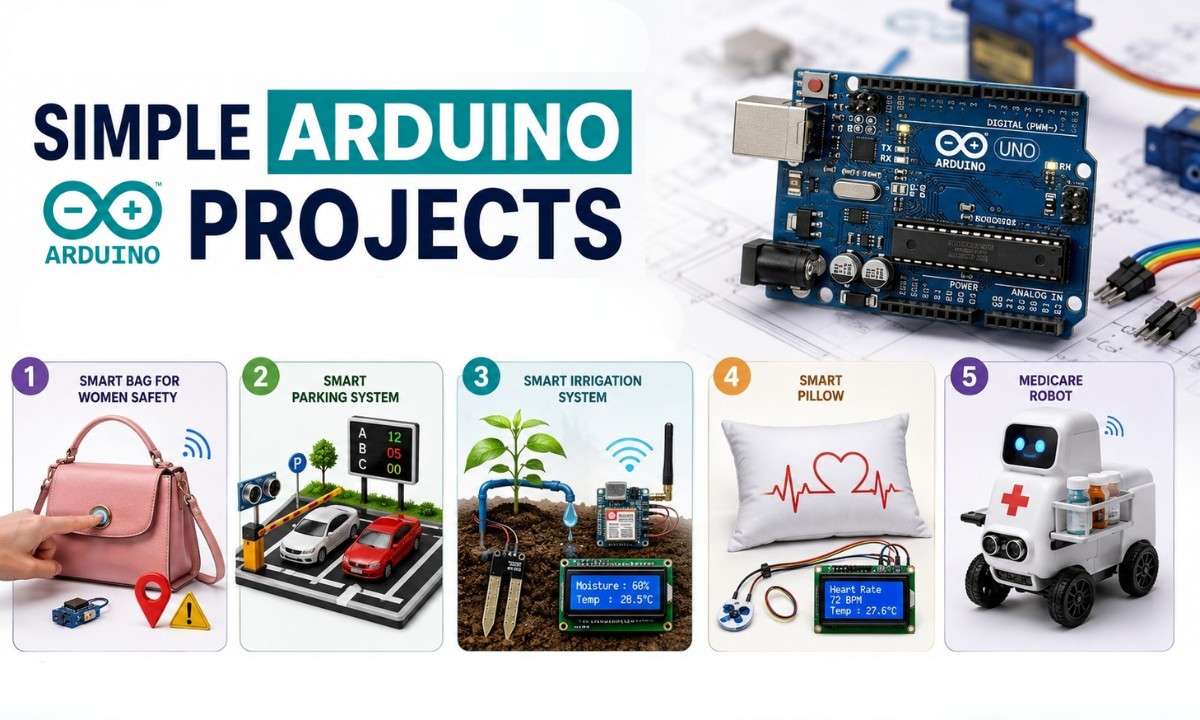 List of Simple Arduino Projects
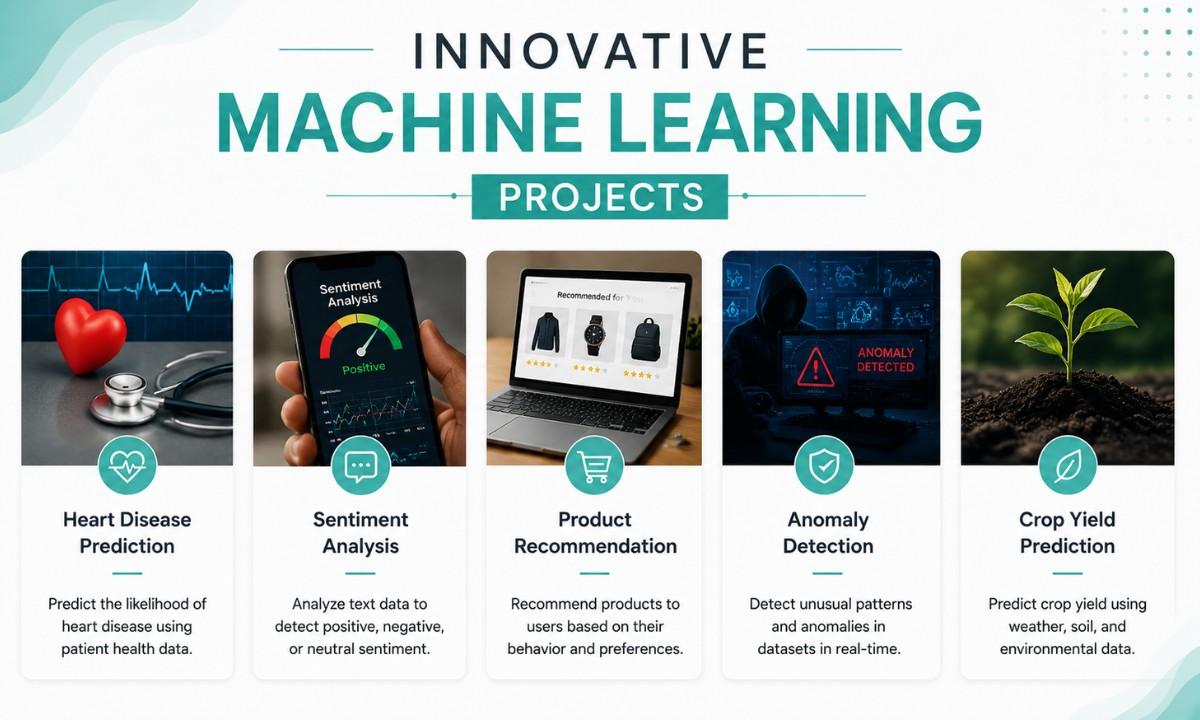 Innovative Machine Learning Projects
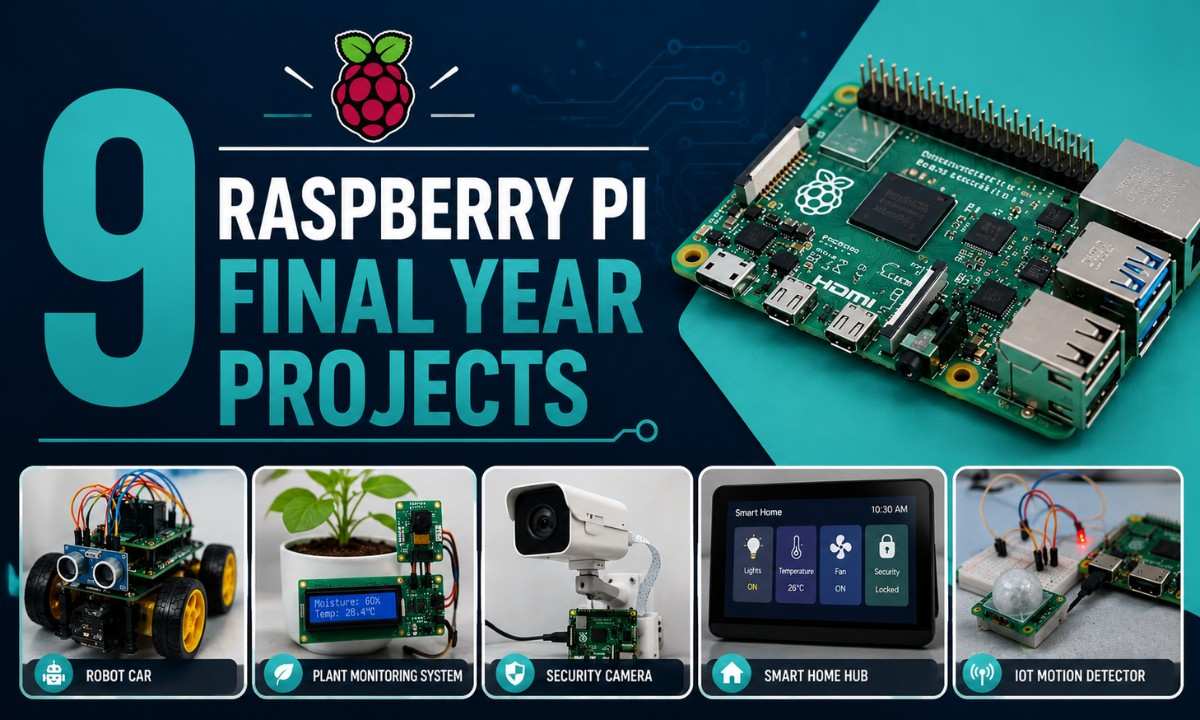 9 Raspberry Pi Final Year Projects
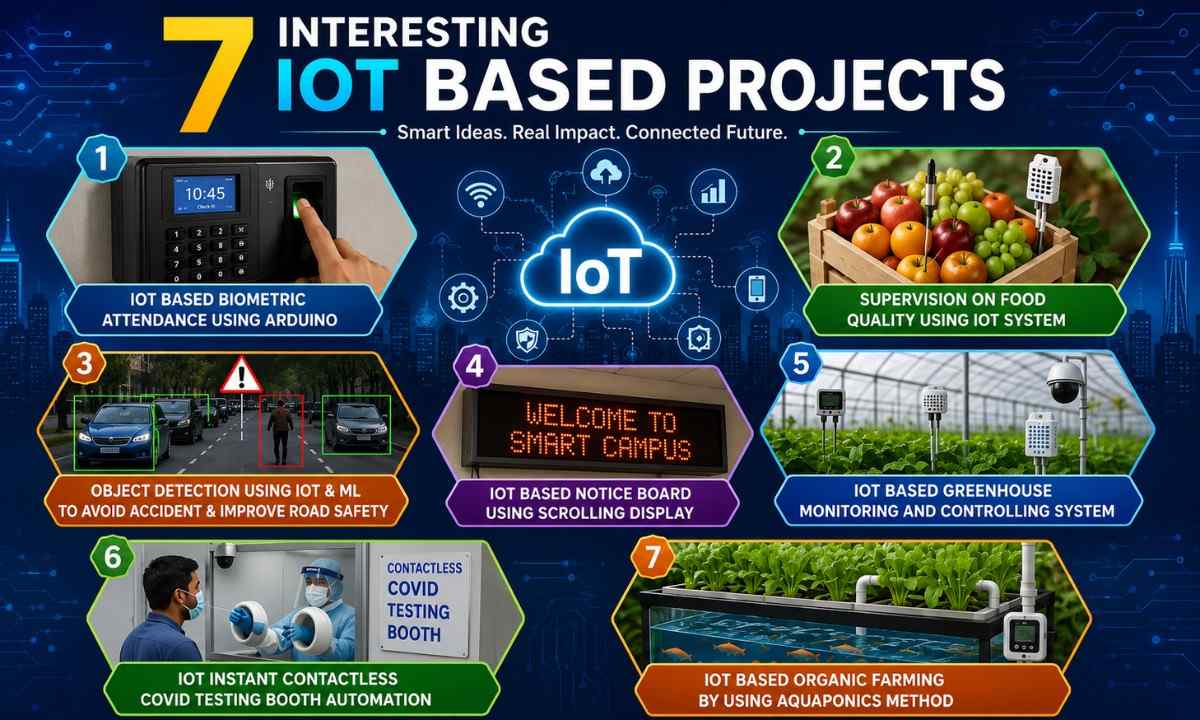 7 Interesting IoT Based Projects
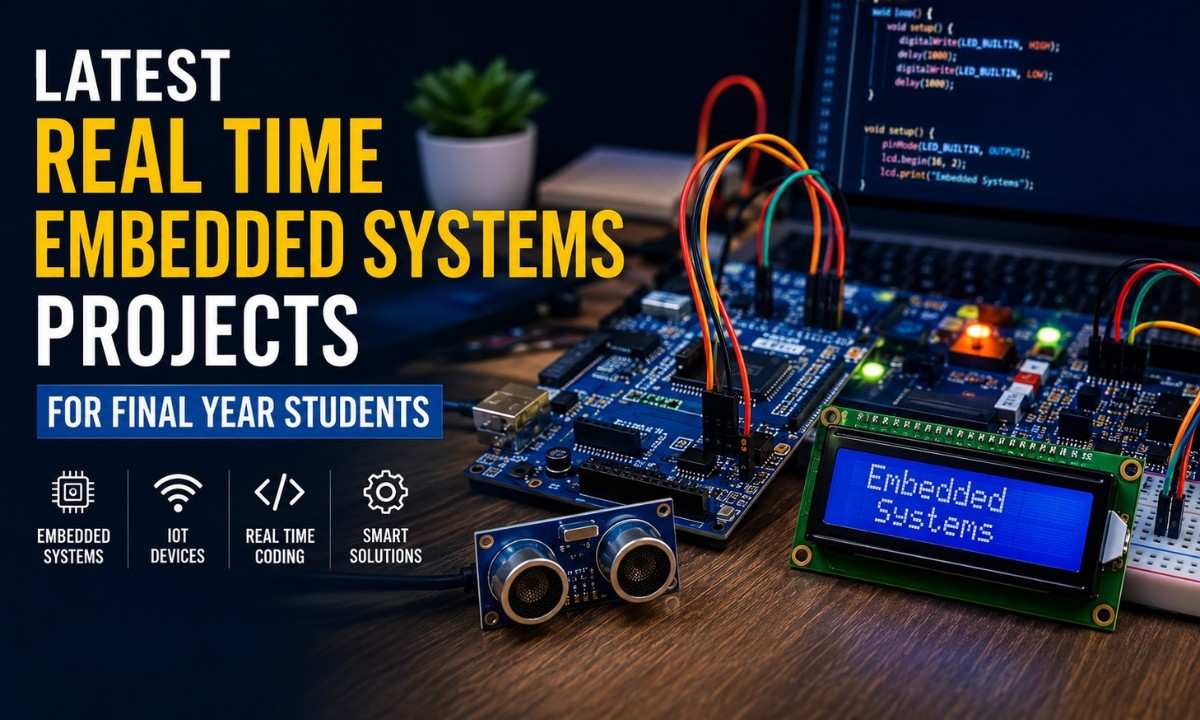 Latest Real Time Embedded Systems Projects for Final Year Students


































 Paper Publishing