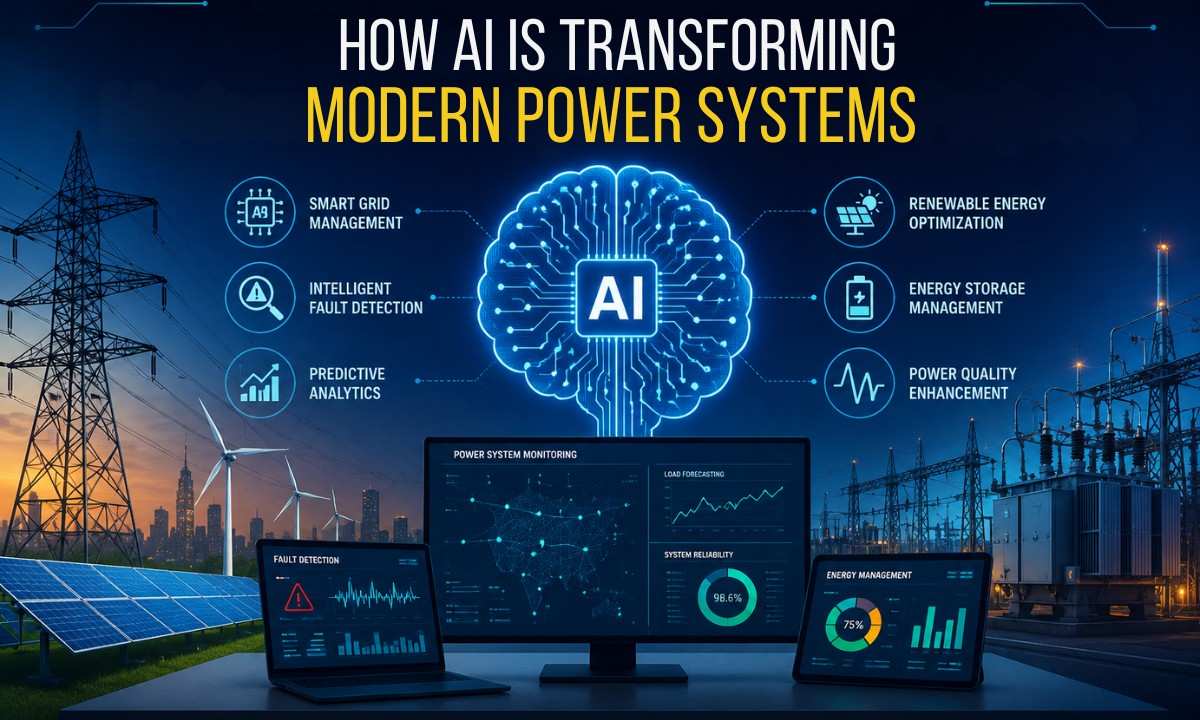

Overview:
This blog explains how Artificial Intelligence is transforming modern power systems by improving efficiency, reliability, and real-time energy management. It highlights key AI applications like predictive maintenance, load forecasting, and smart grid optimization. Overall, it shows how AI is making energy systems smarter, more stable, and cost-efficient.
Introduction
Modern power systems are undergoing a major transformation due to increasing electricity demand, renewable energy integration, and aging infrastructure. Traditional methods of power generation, transmission, and distribution are struggling to handle real-time challenges such as outages, energy losses, and grid instability.
At the same time, the energy sector is becoming more complex with the rise of distributed energy resources like solar and wind power. These sources are unpredictable and require advanced management systems.
This is where Artificial Intelligence (AI) is playing a revolutionary role. AI is reshaping modern power systems by making them smarter, more adaptive, and highly efficient in real-time decision-making.
How Artificial Intelligence is Transforming Modern Power Systems
Artificial Intelligence in modern power systems refers to the use of machine learning, predictive analytics, and intelligent automation to improve the performance, reliability, and efficiency of electrical grids.
AI enables power systems to move from traditional manual control to self-operating intelligent networks that can analyse data and make decisions instantly.
With AI integration, power systems are becoming:
- More efficient
- Highly reliable
- Self-healing
- Data-driven
- Automated
This transformation is helping utility providers manage electricity in a smarter and more sustainable way.
Applications of AI in Power Systems
Artificial Intelligence is deeply integrated into various aspects of modern electrical networks, improving both performance and stability.
1. Smart Grid Optimization

AI in smart grid optimization helps manage electricity flow efficiently using real-time data from supply and demand sources. It predicts energy usage patterns and adjusts distribution to maintain balance in the grid. This reduces the risk of overloads, power failures, and energy wastage. It also improves the integration of renewable energy sources like solar and wind by handling their fluctuations. Overall, it makes the power system more stable, efficient, and reliable.
2. Predictive Maintenance

AI-powered predictive maintenance systems continuously monitor equipment performance using sensors and real-time data analysis. By identifying patterns and detecting early signs of wear, malfunction, or abnormal behavior, these systems can predict potential failures before they happen. This enables maintenance teams to schedule repairs proactively instead of waiting for unexpected breakdowns. As a result, organizations can minimize downtime, reduce maintenance costs, and improve operational efficiency.
3. Load Forecasting

AI-supported load forecasting uses historical electricity usage data, weather conditions, and consumer behavior patterns to predict future power demand with high accuracy. By analysing these factors in real time, utility companies can estimate how much electricity will be needed at different times and locations. This helps power plants generate the right amount of electricity without overproduction or shortages. Accurate forecasting also supports better grid management and reduces unnecessary energy wastage. As a result, it improves energy efficiency, lowers operational costs, and ensures a stable and reliable power supply.
4. Renewable Energy Integration

Renewable energy sources like solar and wind are highly dependent on weather conditions, making energy generation unpredictable. AI helps by analysing historical data and weather forecasts to predict energy production accurately. It balances renewable energy output with electricity demand in real time to maintain grid stability. AI also improves energy distribution and reduces power wastage across the network. This enables more efficient, reliable, and sustainable use of renewable energy sources.
5. Fault Detection and System Protection

AI-powered systems continuously monitor the electrical grid to identify faults, voltage fluctuations, and unusual operating conditions in real time. By analysing data instantly, AI can detect issues before they become critical failures. This enables faster response and automatic protective actions to reduce damage. Improved fault detection increases the reliability and stability of power distribution networks. As a result, AI helps prevent large-scale blackouts and ensures uninterrupted electricity supply.
Benefits of AI in Modern Power Systems
The integration of Artificial Intelligence brings several advantages to electrical networks:
- Improved energy efficiency
- Reduced power outages
- Lower operational costs
- Faster fault detection
- Better grid stability
- Enhanced renewable energy utilization
- Smarter decision-making in real time
- Reduced manual intervention
These benefits are driving the global shift toward intelligent energy systems.
Authority Section (Industry Impact)
The global energy sector is rapidly adopting Artificial Intelligence to modernize power infrastructure. Utility companies are using AI to analyze massive amounts of grid data and improve operational performance.
AI-driven systems are now capable of managing electricity distribution with minimal human involvement. This shift is making power networks more resilient, adaptive, and future-ready.
Experts predict that AI will become a core component of next-generation energy systems, enabling fully autonomous and self-healing grids.
Real-World Applications of AI in Power Systems
Artificial Intelligence is being applied in several critical areas of power systems, including:
- Intelligent energy distribution networks
- Automated grid control systems
- Power quality improvement mechanisms
- Smart meter analytics
- Cybersecurity for energy infrastructure
- Demand response management systems
These applications are improving both operational efficiency and customer satisfaction across the energy sector.
Trending Power System Based Projects Using Artificial Intelligence
The growing demand for smart energy technologies has increased student interest in power system based projects that integrate Artificial Intelligence with modern electrical applications. These technologies improve automation, system reliability, and energy efficiency in modern power networks.
At Takeoff Edu Group, students can explore innovative ideas and gain guidance on advanced electrical technologies used in today’s industry.
AI Driven Fault Detection in Smart Grids Using MATLAB Simulink
This system helps detect electrical faults quickly using AI and real-time monitoring techniques, improving smart grid reliability and reducing power interruptions.
Enhanced Power System Reliability Using Artificial Intelligence
AI analyses system performance and predicts failures before they occur, helping maintain stable and efficient power distribution.
AI Based MPPT for Power Quality Enhancement in PV Systems
This intelligent system improves energy extraction from solar photovoltaic systems and enhances overall power quality under varying conditions.
Hybrid Energy Storage with Intelligent Inverter Control
AI-based inverter control improves voltage stability, energy flow management, and efficient utilization of renewable energy systems.
AI Powered PV Systems Supplying MRI Loads for Stable Performance
This advanced system ensures stable power supply for sensitive medical equipment using AI-powered photovoltaic energy management.
These innovative solutions help students gain practical exposure to Artificial Intelligence, renewable energy systems, smart grids, and intelligent automation technologies used in modern electrical industries.
Conclusion
Artificial Intelligence is transforming modern power systems by making them smarter, more reliable, and highly efficient. From load forecasting to fault detection and renewable energy integration, AI is revolutionizing the way electricity is managed and distributed.
The future of energy lies in intelligent systems that can operate autonomously and adapt to changing conditions in real time.
FAQs
What is Artificial Intelligence in power systems?
Artificial Intelligence in power systems refers to the use of smart algorithms and automation to improve electricity generation, distribution, and monitoring.
How does AI improve power system efficiency?
AI improves efficiency by optimizing energy flow, predicting demand, reducing losses, and automating grid operations.
Can AI reduce power failures?
Yes. AI detects early signs of faults and system abnormalities, helping prevent large-scale power outages.
Why is AI important for renewable energy systems?
AI helps manage the variability of renewable energy sources by forecasting generation and balancing supply with demand.
What is the future of AI in power systems?
The future involves fully automated, self-healing, and intelligent power grids powered by AI-driven decision-making systems.
 How Artificial Intelligence in Power Systems Is Transforming Modern Energy Networks
  Can Electric Vehicles Power Entire Cities? Understanding Vehicle-to-Grid (V2G) Technology
  Power Electronics for Smart Grids: Enhancing Efficiency
  Introduction to Control Systems: Principles and Applications
  Control Strategies for Electric Drives: An Overview
  Electric Drives: Fundamentals & Key Components
  Applications of Power Electronics in Renewable Energy Systems
  Designing Efficient Power Converters: Tips and Techniques
  Advances in Power Semiconductor Devices
  Power Electronics: Key Concepts and Applications
  Cybersecurity in Power Systems: Protecting Critical Infrastructure
  The Evolution of Power Transmission: From AC to HVDC
  Impact of Energy Storage on Power System Management
 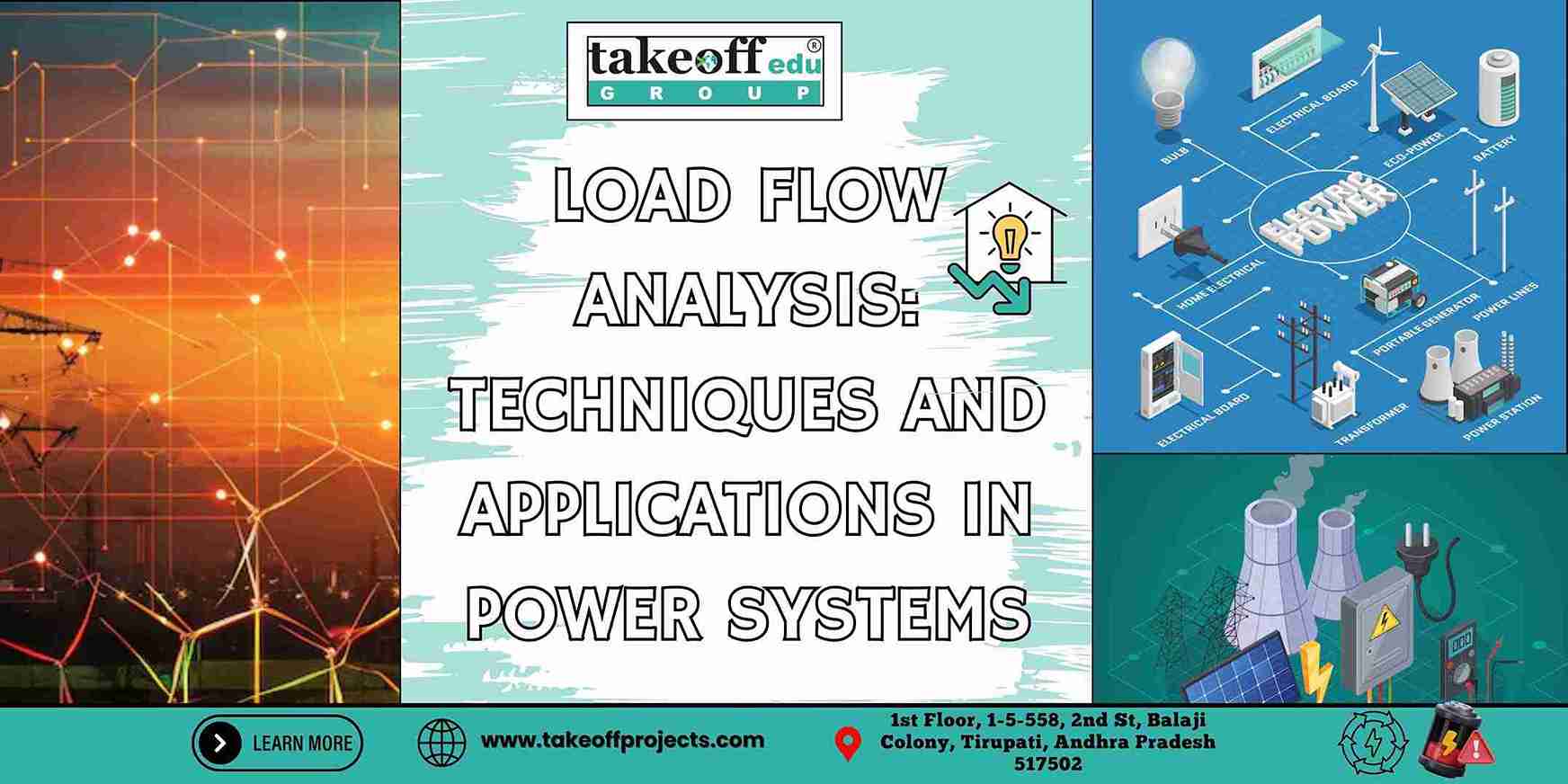 Load Flow Analysis : Techniques and Applications in Power Systems
  Microgrids: Enhancing Resilience and Efficiency in Power Systems
  Innovative Technologies in Power System Protection
  Challenges and Solutions in Power System Stability
  Final Year Electrical Engineering Project Ideas for College Students
  The Role of Renewable Energy in Modern Power Systems
  Smart Grids: Revolutionizing the Future of Power Systems
 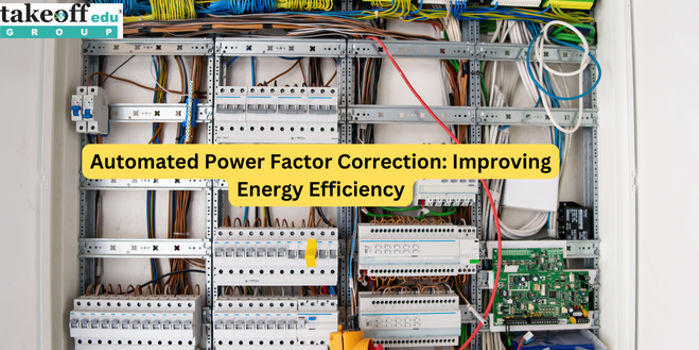 Automated Power Factor Correction: Improving Energy Efficiency
 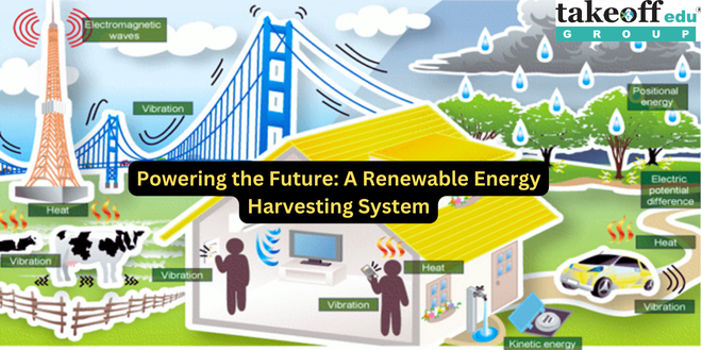 Powering the Future: A Renewable Energy Harvesting System
 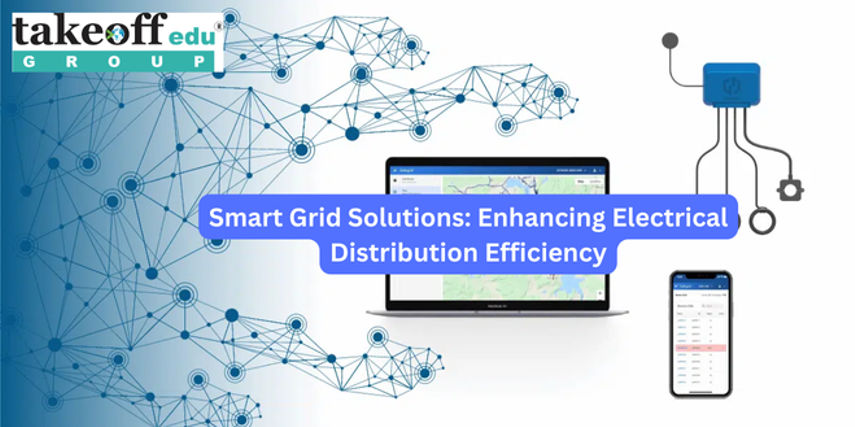 Smart Grid Solutions: Enhancing Electrical Distribution Efficiency
 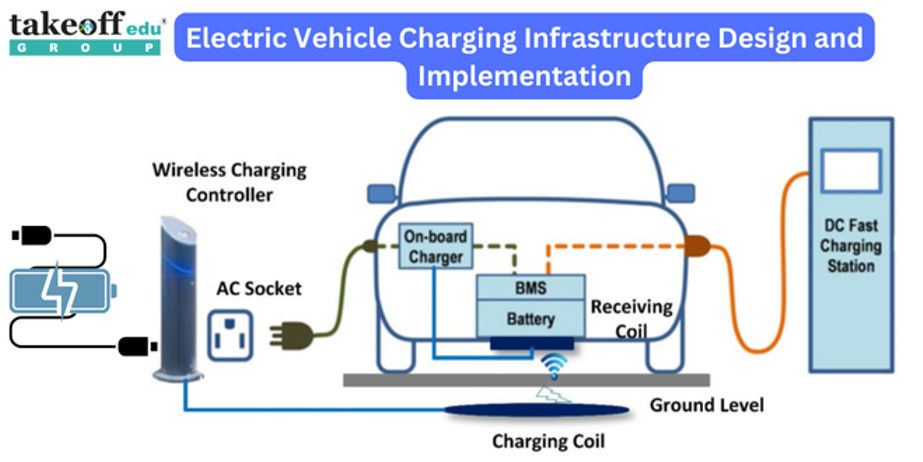 Electric Vehicle Charging Infrastructure Design and Implementation
 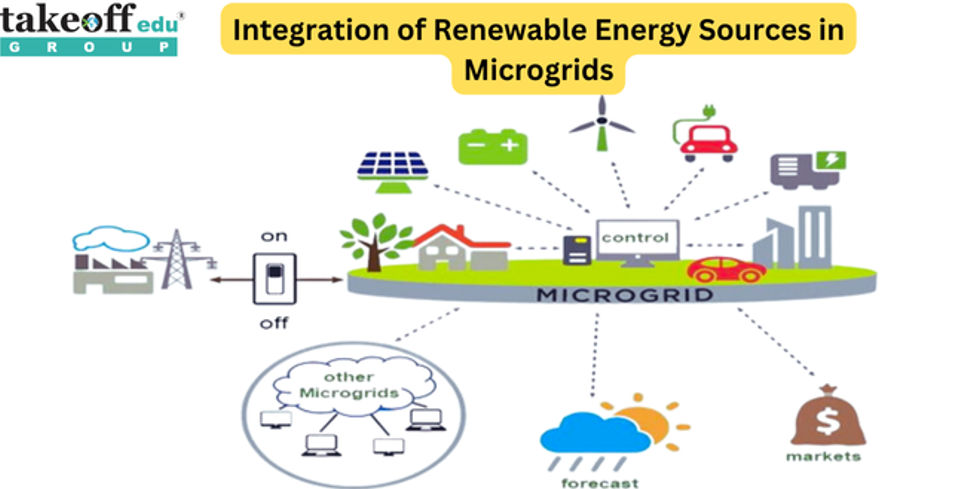 Integration of Renewable Energy Sources in Microgrids
  Electrical Projects Engineering Students
  M.Tech Thermal Engineering Projects
  IEEE Projects for Electrical Engineering
  Mini Projects for EEE
  Mini Projects for Electrical Students
  Top Electrical Projects for Final Year Students
  10 Interesting Projects for Electrical Engineering Students
  7 Trending Power Systems Based Projects for EEE
  Top 10 Power Electronics Projects for EEE
  Top 16 Electrical Engineering Projects




























 Paper Publishing




