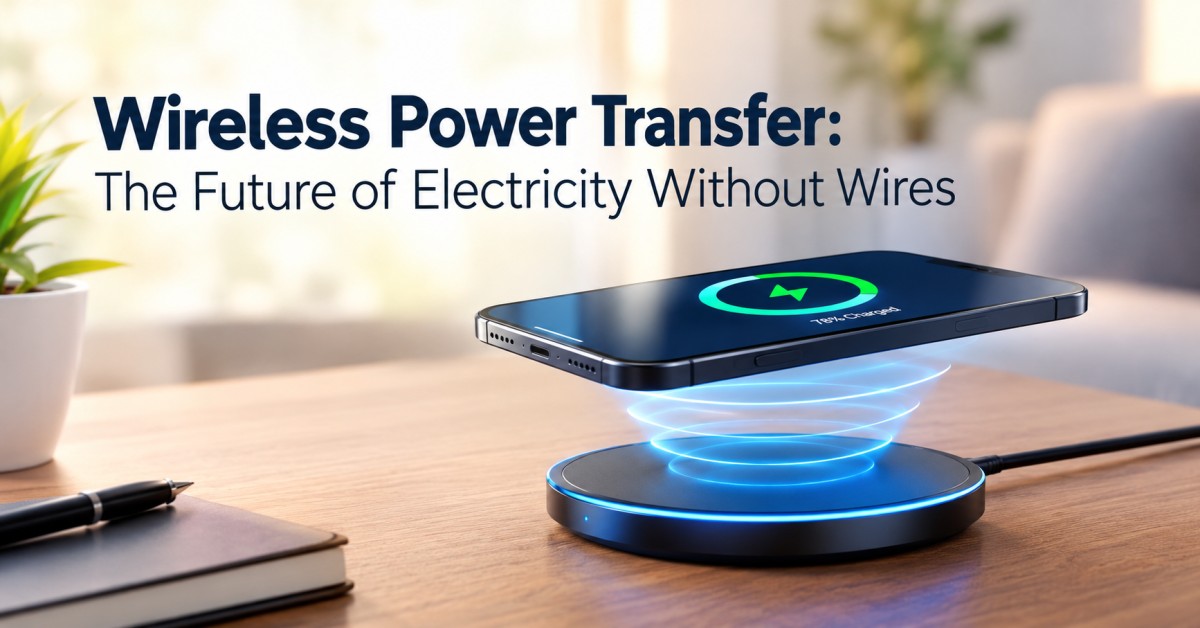

Introduction
Imagine charging your smartphone without plugging in a cable or powering an electric vehicle without connecting it to a charging socket. Wireless Power Transfer is making these possibilities a reality. Traditional electricity systems depend on wires, cables, and physical connections to deliver power. Although these methods are reliable, they can sometimes create inconvenience, require regular maintenance, and limit how electrical devices are used.
Wireless Power Transfer (WPT) offers an alternative by transferring electrical energy from one device to another without a direct wired connection. This technology is already used in wireless phone chargers, electric toothbrushes, medical devices, and other applications. As electrical engineering continues to advance, Wireless Power Transfer is becoming an important technology for smart homes, electric vehicles, and industrial automation.
What Is Wireless Power Transfer?
Wireless Power Transfer is a technology that transfers electrical energy between two points without requiring a direct electrical wire connection. It generally uses electromagnetic fields to move energy from a transmittfing device to a receiving device.
For example, when you place a compatible smartphone on a wireless charging pad, the charger transfers energy to the phone through an electromagnetic field. The phone then uses this energy to charge its battery.
How Does Wireless Power Transfer Work?
Wireless Power Transfer works by converting electrical energy into a form that can travel across a gap and then converting it back into usable electrical energy.
The exact process depends on the technology being used, but a typical wireless charging system follows these steps:
1. Power supply: The system receives electrical energy from a power source.
2. Transmitter: A transmitting circuit sends energy through a coil or another suitable mechanism.
3. Energy transfer: Energy moves across the gap using an electromagnetic field or another transfer method.
4. Receiver: A receiving coil or device captures the transferred energy.
5. Power conversion: Electronic circuits convert the received energy into a suitable form for the device.
Types of Wireless Power Transfer Technology
Different Wireless Power Transfer methods are designed for different distances, power requirements, and applications.
1. Inductive Coupling
Inductive coupling is one of the most widely used methods of wireless power transfer. It uses two coils: a transmitting coil and a receiving coil.
When alternating current flows through the transmitter coil, it creates a changing magnetic field. This field induces a voltage in the receiver coil, allowing electrical energy to be transferred.
Common applications include:
- Wireless smartphone chargers
- Electric toothbrushes
- Smartwatches and other small electronic devices
- Certain medical devices
Inductive charging works best over short distances and usually requires suitable alignment between the transmitter and receiver.
2. Resonant Inductive Coupling
Resonant inductive coupling is similar to inductive charging but uses resonant circuits to improve energy transfer under suitable conditions.
The transmitter and receiver are designed to operate at matching resonant frequencies. This approach can provide greater flexibility in the spacing and positioning of the coils compared with basic inductive systems.
Common applications include:
- Electric vehicle wireless charging
- Charging systems for industrial equipment
- Selected consumer electronics
- Automated charging stations
The actual transfer distance and efficiency depend on coil design, operating frequency, power level, and surrounding materials.
3. Radio Frequency (RF) Power Transfer
Radio frequency power transfer uses electromagnetic waves to carry energy through space. A transmitting antenna sends RF energy, and a receiving antenna captures it. A rectifier can then convert the received signal into direct current.
Possible applications include:
- Low-power wireless sensors
- Internet of Things (IoT) devices
- Battery-assisted monitoring equipment
- Specialized remote sensing systems
4. Microwave Power Transfer
Microwave power transfer uses microwave-frequency electromagnetic waves to transmit energy toward a receiving system. The receiver typically converts the captured energy into electricity.
This technology is being explored for applications that require energy transfer over greater distances than conventional inductive charging can support.
5. Laser-Based Power Transfer
Laser-based power transfer uses a directed beam of light to carry energy to a receiver. A photovoltaic device converts the received light into electrical energy.

Key Benefits of Wireless Power Transfer
Wireless Power Transfer offers several advantages over conventional wired charging in suitable applications.
1. Greater Convenience
Users can charge compatible devices by placing them on a charging surface instead of connecting a cable every time. This is particularly useful for smartphones, wearables, and other frequently charged devices.
2. Reduced Connector Wear
Repeatedly plugging and unplugging cables can wear out connectors over time. Wireless charging reduces the need for direct electrical contact, which may help reduce connector-related maintenance.
3. Improved Design Flexibility
Wireless charging can support sealed equipment designs where exposed charging ports would be inconvenient. This is useful in certain medical, industrial, and consumer applications.
4. Support for Automation
Wireless charging can be integrated into automated environments. For example, a robot may recharge at a designated charging station without requiring someone to connect a power cable manually.
5. Potential Maintenance Advantages
In selected applications, removing exposed electrical contacts can reduce issues caused by dirt, moisture, or connector damage. However, the overall reliability still depends on the complete system design and operating environment.

Practical Applications of Wireless Power Transfer
Wireless Power Transfer is no longer limited to experimental laboratories. while other applications continue to develop.
1. Consumer Electronics
Wireless charging is widely associated with smartphones, earbuds, smartwatches, and other portable devices. Compatible charging pads make everyday charging simpler by reducing cable connections.
2. Electric Vehicles
Wireless Power Transfer is being developed for electric vehicle charging. A vehicle can receive energy through a ground-mounted transmitter and a receiver installed underneath the vehicle.
3. Medical Equipment
Some medical devices benefit from wireless energy transfer because it can reduce the need for exposed charging connections. Certain implanted medical devices use inductive methods to receive energy from an external transmitter.
4. Industrial Automation
Factories increasingly use automated guided vehicles, mobile robots, and wireless sensors. Wireless charging can help these systems recharge at designated locations without manual cable connections.
5. Smart Homes and IoT Devices
Wireless Power Transfer may help supply energy to selected sensors and low-power connected devices. Reducing the need for frequent battery replacement can be particularly useful when devices are installed in difficult-to-reach locations.
Wireless Power Transfer vs. Traditional Wired Charging
Both wired and wireless charging have advantages. The right option depends on the device, cost, convenience, and energy requirements.
|
Feature |
Wireless Power Transfer |
Wired Charging |
|
Physical connection |
No direct charging cable connection is required between transmitter and receiver |
Uses a cable or direct electrical connection |
|
Convenience |
Easy to use with compatible devices |
Requires connecting a cable |
|
Energy efficiency |
Depends on the transfer technology and system design; can involve additional losses |
Often more efficient for comparable charging applications |
|
Charging speed |
Varies by technology and power level |
Often supports fast charging with suitable equipment |
|
Connector wear |
Reduces wear on charging ports |
Repeated connections can cause wear |
|
Installation cost |
May require specialized transmitters and receivers |
Often uses simpler charging equipment |
|
Best suited for |
Convenience, sealed equipment, and selected automated systems |
Fast, efficient, and cost-effective power delivery |
Challenges of Wireless Power Transfer
Despite its advantages, Wireless Power Transfer has limitations that engineers must address.
1. Energy Losses
Some electrical energy is lost during conversion and transfer. In many practical systems, this means the transmitter must draw more power than the receiver ultimately delivers to the device.
Possible solution: Engineers can improve coil design, power electronics, alignment, and control systems to reduce losses.
2. Limited Transfer Distance
Inductive charging usually works over short distances. Increasing the gap between the transmitter and receiver can reduce the amount of energy transferred.
Possible solution: Resonant systems or other transfer methods may be suitable when the application requires greater spacing, although they introduce their own design challenges.
3. Higher Equipment Costs
Wireless charging systems require additional components, including transmitters, receivers, control circuits, and sometimes specialized installation infrastructure.
Possible solution: Standardized designs, improved manufacturing, and large-scale adoption may help reduce costs over time.
4. Heat Generation
Energy losses can generate heat in electronic components and surrounding materials. Excessive heating can affect performance, safety, and component life.
Possible solution: Proper thermal management, temperature monitoring, and automatic power control can help maintain safe operating conditions.
5. Safety and Compatibility
Electromagnetic exposure, interference, foreign objects, and device compatibility must be considered when designing a wireless power system.
Possible solution: Engineers should follow applicable safety standards, use appropriate shielding where needed, and incorporate protection mechanisms such as foreign-object detection in relevant charging systems.
Tips for Designing a Wireless Power Transfer Project
Wireless Power Transfer is an interesting topic for electrical, electronics, and engineering students.
Consider the following points when planning a project:
- Choose a suitable application: Start with a low-power demonstration, such as a wireless LED or small device charger.
- Select the transfer method: Inductive coupling is often a practical starting point for student prototypes.
- Design the coils carefully: Coil dimensions, number of turns, spacing, and alignment affect performance.
- Use suitable electronic components: Select the driver circuit, receiver circuit, and power supply according to the project requirements.
Future Trends in Wireless Power Transfer
Some important development areas include:
- Wireless electric vehicle charging: More research and deployment could make convenient vehicle charging available in additional settings.
- Smarter charging systems: Sensors and control circuits can help detect device placement, manage power delivery, and improve charging reliability.
- Long-distance energy transfer: RF, microwave, and optical methods continue to be explored for applications where conventional short-range charging is unsuitable.
Conclusion
Wireless Power Transfer is changing how electrical energy can be delivered to compatible devices. From smartphone charging and medical equipment to electric vehicles and industrial automation, this technology offers new ways to improve convenience and reduce dependence on physical electrical connections.
Explore innovative Wireless Power Transfer Projects for B.Tech and M.Tech Students. Discover practical project ideas, understand wireless charging technology, and develop your electrical and electronics engineering skills with TakeOff Projects
FAQs
1. What is Wireless Power Transfer?
Wireless Power Transfer transfers electrical energy without direct wires.
2. How does Wireless Power Transfer work?
It uses electromagnetic fields to transfer energy from a transmitter to a receiver.
3. What are the applications of Wireless Power Transfer?
It is used in smartphones, electric vehicles, medical devices, and industrial automation.
4. What are the benefits of Wireless Power Transfer?
It offers convenient charging, reduces connector wear, and supports automated charging.
5. Can engineering students develop Wireless Power Transfer projects?
Yes, students can develop simple wireless charging circuits and wireless LED lighting projects.
 How Artificial Intelligence in Power Systems Is Transforming Modern Energy Networks
 Can Electric Vehicles Power Entire Cities? Understanding Vehicle-to-Grid (V2G) Technology
 How AI is Transforming Modern Power Systems
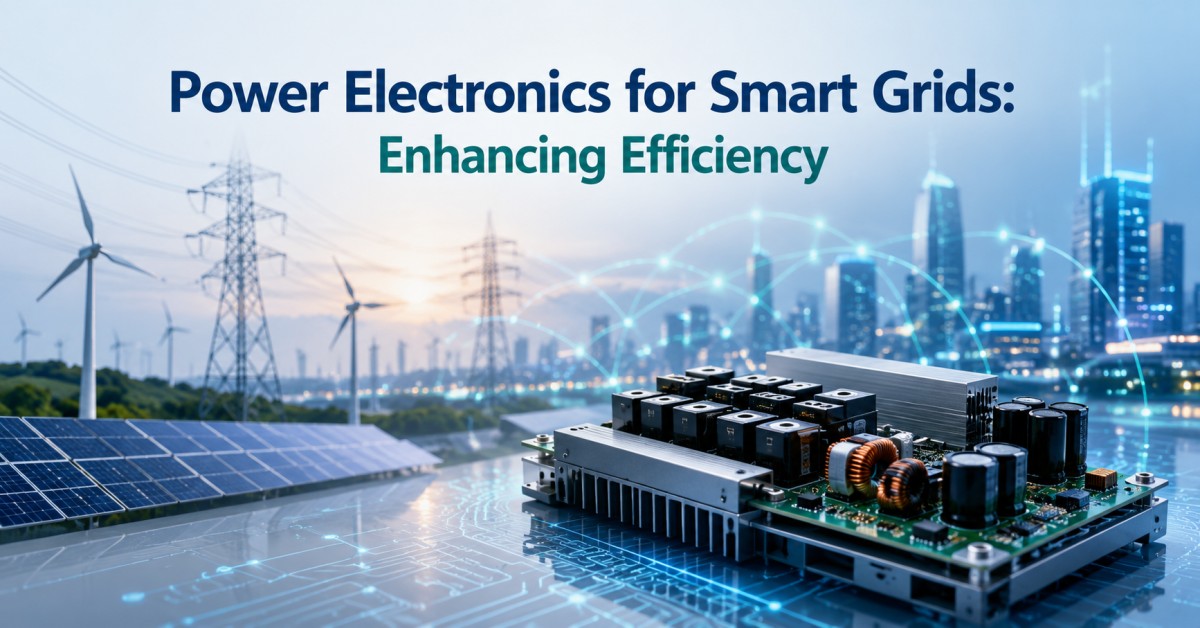 Power Electronics for Smart Grids: Enhancing Efficiency
 Introduction to Control Systems: Principles and Applications
 Control Strategies for Electric Drives: An Overview
 Electric Drives: Fundamentals & Key Components
 Applications of Power Electronics in Renewable Energy Systems
 Designing Efficient Power Converters: Tips and Techniques
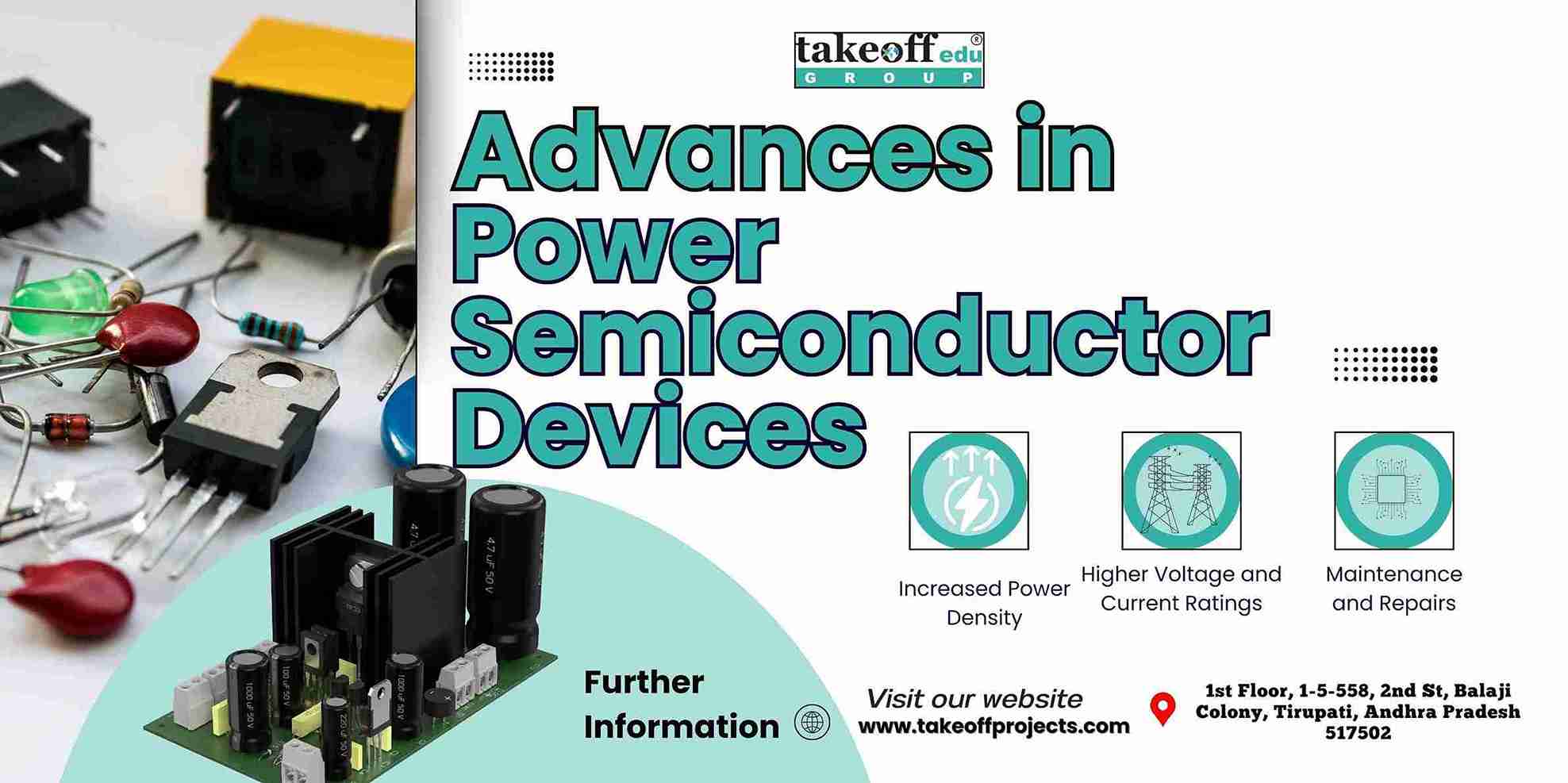 Advances in Power Semiconductor Devices
 Power Electronics: Key Concepts and Applications
 Cybersecurity in Power Systems: Protecting Critical Infrastructure
 The Evolution of Power Transmission: From AC to HVDC
 Impact of Energy Storage on Power System Management
 Load Flow Analysis : Techniques and Applications in Power Systems
 Microgrids: Enhancing Resilience and Efficiency in Power Systems
 Innovative Technologies in Power System Protection
 Challenges and Solutions in Power System Stability
 Final Year Electrical Engineering Project Ideas for College Students
 The Role of Renewable Energy in Modern Power Systems
 Smart Grids: Revolutionizing the Future of Power Systems
 Automated Power Factor Correction: Improving Energy Efficiency
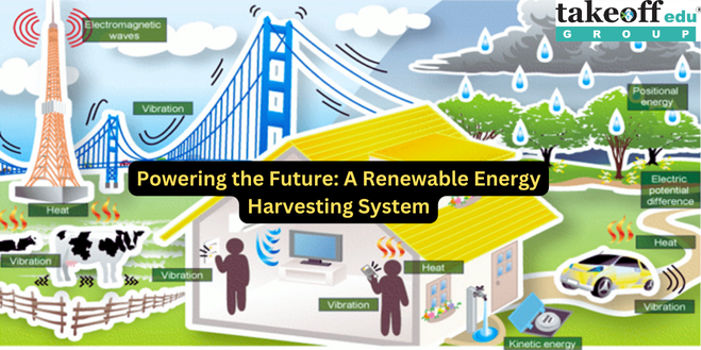 Powering the Future: A Renewable Energy Harvesting System
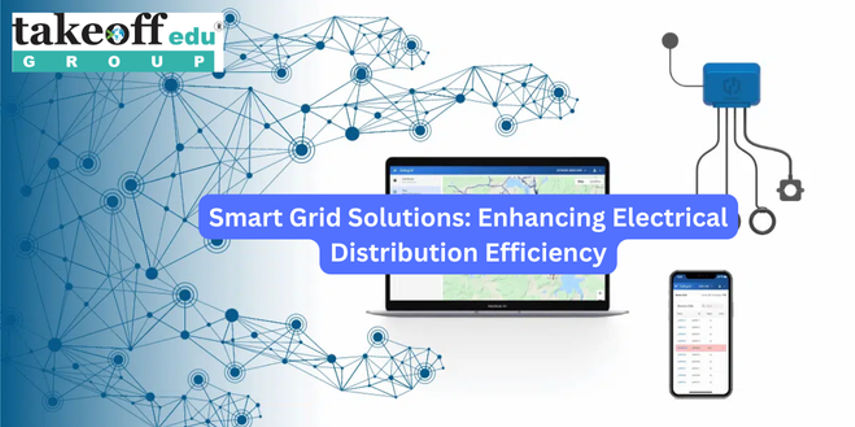 Smart Grid Solutions: Enhancing Electrical Distribution Efficiency
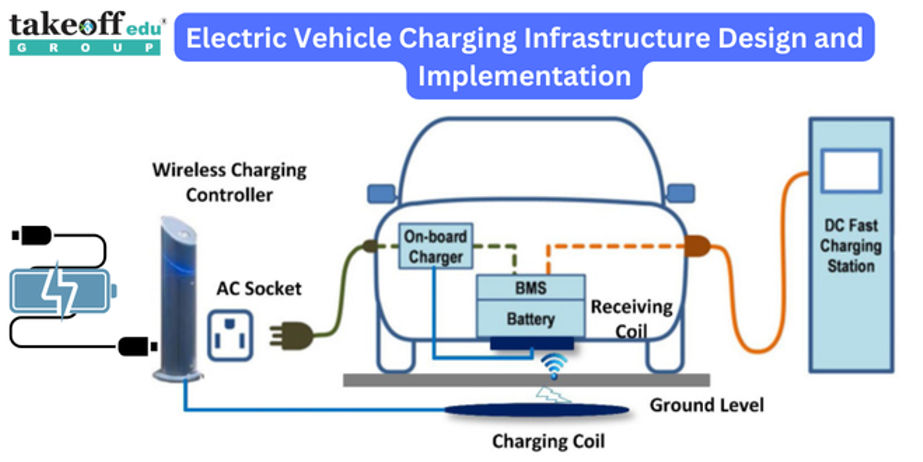 Electric Vehicle Charging Infrastructure Design and Implementation
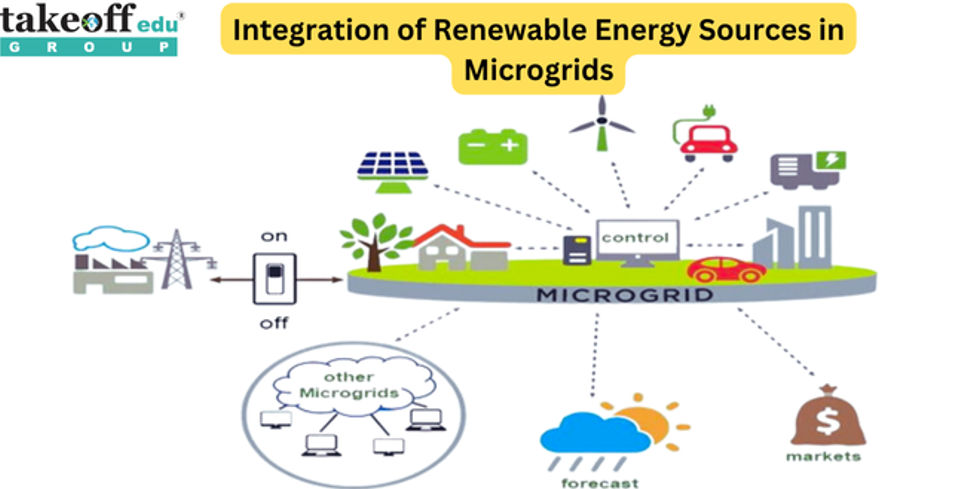 Integration of Renewable Energy Sources in Microgrids
 Electrical Projects Engineering Students
 M.Tech Thermal Engineering Projects
 IEEE Projects for Electrical Engineering
 Mini Projects for EEE
 Mini Projects for Electrical Students
 Top Electrical Projects for Final Year Students
 10 Interesting Projects for Electrical Engineering Students
 7 Trending Power Systems Based Projects for EEE
 Top 10 Power Electronics Projects for EEE
 Top 16 Electrical Engineering Projects






























 Paper Publishing