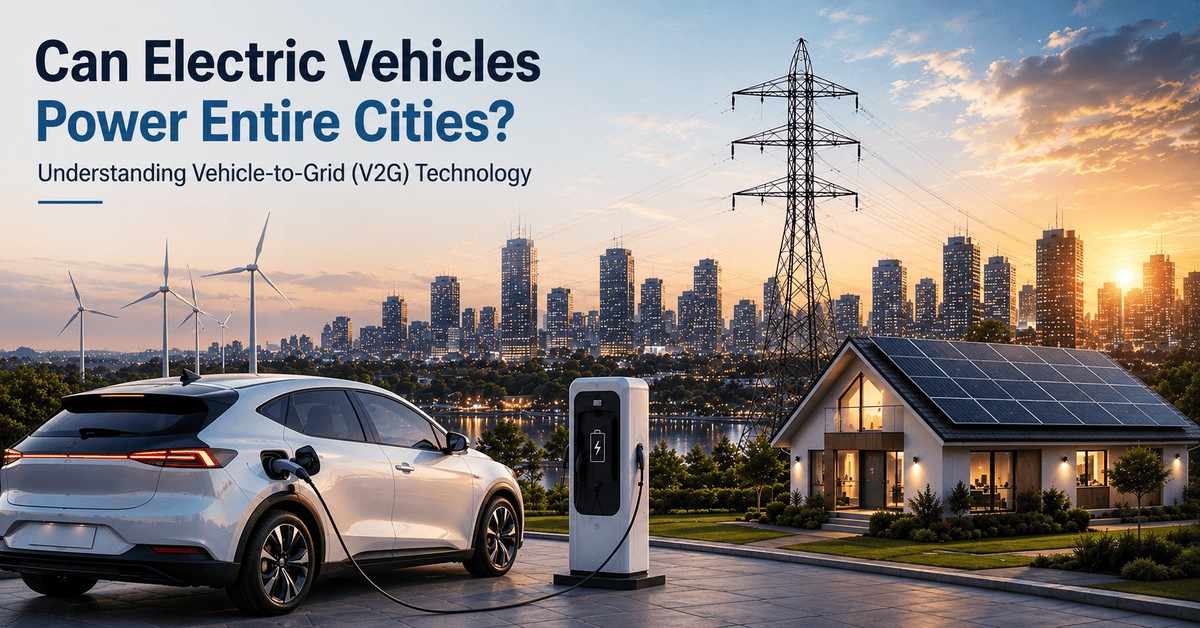

Introduction
As electric vehicles (EVs) become more popular worldwide, their role is expanding beyond transportation. One emerging innovation is Vehicle-to-Grid (V2G) Technology, which allows EVs to send electricity back to the power grid when needed. This raises an exciting question:
Can electric vehicles power entire cities?
With growing energy demands, renewable energy integration, and concerns about grid stability, Vehicle-to-Grid (V2G) Technology is gaining attention as a potential solution for smarter energy management.
What is Vehicle-to-Grid (V2G) Technology?
This is a system that enables electric vehicles to communicate with the power grid and transfer stored electricity back to it when demand is high.
The technology allows EV batteries to function as mobile energy storage units, helping utilities balance electricity supply and demand.
Core Functions of V2G Technology
- Bidirectional charging
- Grid energy support
- Renewable energy integration
- Peak demand management
- Smart energy distribution
- Battery energy storage
Challenges Faced by Modern Power Grids
Power grids around the world face several challenges, including:
1. Peak Electricity Demand
Energy consumption often spikes during certain hours, putting pressure on the grid.
2. Renewable Energy Variability
Solar and wind power generation depends on weather conditions, making supply unpredictable.
3. Grid Stability Issues
Unexpected fluctuations in power generation and consumption can affect reliability.
4. High Energy Storage Costs
Large-scale battery storage systems require significant investment.
5. Growing Energy Consumption
Urbanization and industrial growth continue to increase electricity demand.
How (V2G) Technology Works
uses bidirectional chargers that allow electricity to flow in two directions.
Process:
1. EV owners charge their vehicles during off-peak hours.
2. The vehicle stores excess energy in its battery.
3. During peak demand periods, a portion of stored energy is supplied back to the grid.
4. Grid operators compensate EV owners for the electricity provided.
5. The grid maintains stability while maximizing renewable energy usage.
How (V2G) Technology Solves Energy Challenges
This Technology provides solutions for modern energy systems by:
- Supporting grid stability
- Reducing peak demand pressure
- Improving renewable energy utilization
- Lowering energy storage costs
- Enhancing energy efficiency
- Creating new revenue opportunities for EV owners
Key Features of (V2G) Technology
Bidirectional Charging
Allows EVs to both receive and supply electricity.
Smart Grid Integration
Enables real-time communication between vehicles and utility providers.
Energy Storage Management
Optimizes battery usage for both transportation and grid support.
Renewable Energy Support
Stores excess solar and wind energy for later use.
Demand Response Programs
Provides electricity during peak consumption periods.
Automated Energy Distribution
Uses intelligent software to balance energy flow efficiently.
Benefits of (V2G) Technology
Reduce Grid Stress
EV batteries can support the grid during high-demand periods.
Improve Renewable Energy Adoption
Excess renewable energy can be stored and redistributed when needed.
Lower Electricity Costs
Efficient energy management can reduce operational expenses for utilities.
Generate Income for EV Owners
Vehicle owners can earn incentives by supplying electricity back to the grid.
Enhance Energy Security
Distributed energy storage improves resilience during outages and emergencies.
Support Sustainable Cities
V2G contributes to cleaner and more efficient urban energy systems.
Need a (V2G) Technology Solution?
Modern V2G platforms help utilities, businesses, and EV owners maximize energy efficiency.
Benefits Include:
- Smart energy management
- Real-time grid monitoring
- Renewable energy integration
- Peak demand reduction
- Improved grid stability
- Enhanced sustainability goals
Can Electric Vehicles Power Entire Cities?
While individual EVs cannot power entire cities on their own, millions of connected electric vehicles can collectively form a massive distributed energy network.
Experts believe that as EV adoption grows, This V2G Technology could provide substantial backup power, support renewable energy integration, and help stabilize city-wide electricity systems.
Future smart cities may rely on thousands of connected EV batteries acting as decentralized energy storage units, significantly reducing dependence on traditional power plants.
Contact our experts today to learn how (V2G) Technology can transform your energy strategy.
Explore Final Year Projects on Electric Vehicles
As Vehicle-to-Grid (V2G) Technology continues to evolve, research and innovation in electric vehicles are becoming increasingly important. Students and researchers interested in EV technology, battery management systems, smart charging solutions, renewable energy integration, and V2G applications can explore a wide range of practical project ideas.
Why V2G is Important for Renewable Energy
Renewable energy sources such as solar and wind generate electricity intermittently.
Vehicle-to-Grid (V2G) Technology helps by:
- Storing excess renewable energy
- Delivering power during low-generation periods
- Reducing renewable energy curtailment
- Improving overall grid efficiency
- Supporting carbon reduction goals
This makes V2G a critical component of future sustainable energy ecosystems.
Vehicle-to-Grid Technology in India
India is rapidly expanding its electric vehicle infrastructure and renewable energy capacity.
Major cities such as:
- Hyderabad
- Bengaluru
- Chennai
- Mumbai
- Delhi
- Pune
are expected to benefit significantly from Vehicle-to-Grid (V2G) Technology as EV adoption increases.
The integration of V2G can help India
meet its clean energy targets while improving grid reliability.
Frequently Asked Questions (FAQs)
1. What is Vehicle-to-Grid Technology?
Vehicle-to-Grid (V2G) Technology is a system that enables electric vehicles to send stored electricity back to the power grid, helping balance energy demand and supply.
2. How does Vehicle-to-Grid Technology work?
It uses bidirectional charging systems that allow EV batteries to both receive and provide electricity.
3. Can EVs power entire cities?
Not individually, but large networks of EVs can collectively provide significant energy support to city power grids.
4. What are the benefits of (V2G) Technology?
Benefits include grid stability, renewable energy integration, reduced electricity costs, and additional income opportunities for EV owners.
5. Is Vehicle-to-Grid (V2G) Technology available in India?
India is actively exploring V2G implementation as part of its broader electric mobility and renewable energy initiatives.
Start Exploring Vehicle-to-Grid (V2G) Technology Today
Discover how V2G solutions can help optimize energy usage, support renewable integration, and create a more resilient power infrastructure for the future.
Conclusion
Vehicle-to-Grid (V2G) Technology is transforming electric vehicles into valuable energy assets. By enabling EVs to support power grids, reduce peak demand, and integrate renewable energy more effectively, V2G has the potential to reshape the future of energy management.
As EV adoption continues to grow, Vehicle-to-Grid Technology could play a crucial role in building smarter, more sustainable, and energy-efficient cities
 How Artificial Intelligence in Power Systems Is Transforming Modern Energy Networks
  How AI is Transforming Modern Power Systems
  Power Electronics for Smart Grids: Enhancing Efficiency
  Introduction to Control Systems: Principles and Applications
  Control Strategies for Electric Drives: An Overview
  Electric Drives: Fundamentals & Key Components
  Applications of Power Electronics in Renewable Energy Systems
  Designing Efficient Power Converters: Tips and Techniques
  Advances in Power Semiconductor Devices
  Power Electronics: Key Concepts and Applications
  Cybersecurity in Power Systems: Protecting Critical Infrastructure
  The Evolution of Power Transmission: From AC to HVDC
  Impact of Energy Storage on Power System Management
 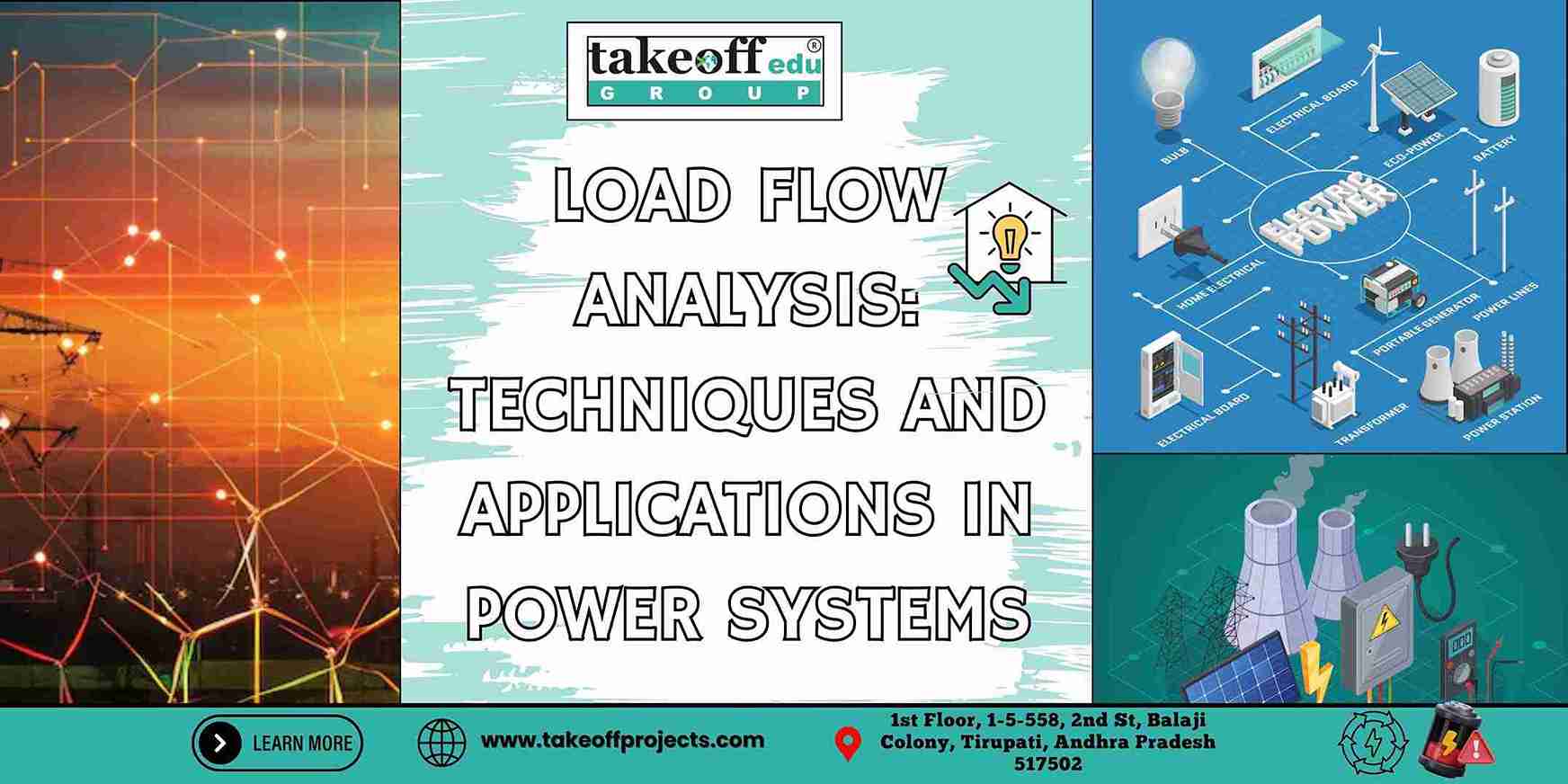 Load Flow Analysis : Techniques and Applications in Power Systems
  Microgrids: Enhancing Resilience and Efficiency in Power Systems
  Innovative Technologies in Power System Protection
  Challenges and Solutions in Power System Stability
  Final Year Electrical Engineering Project Ideas for College Students
  The Role of Renewable Energy in Modern Power Systems
  Smart Grids: Revolutionizing the Future of Power Systems
  Automated Power Factor Correction: Improving Energy Efficiency
 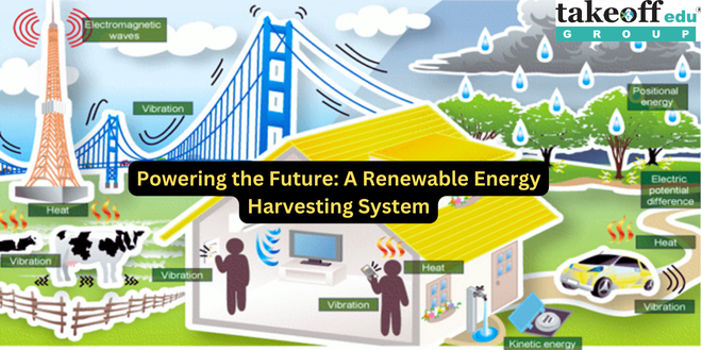 Powering the Future: A Renewable Energy Harvesting System
  Smart Grid Solutions: Enhancing Electrical Distribution Efficiency
 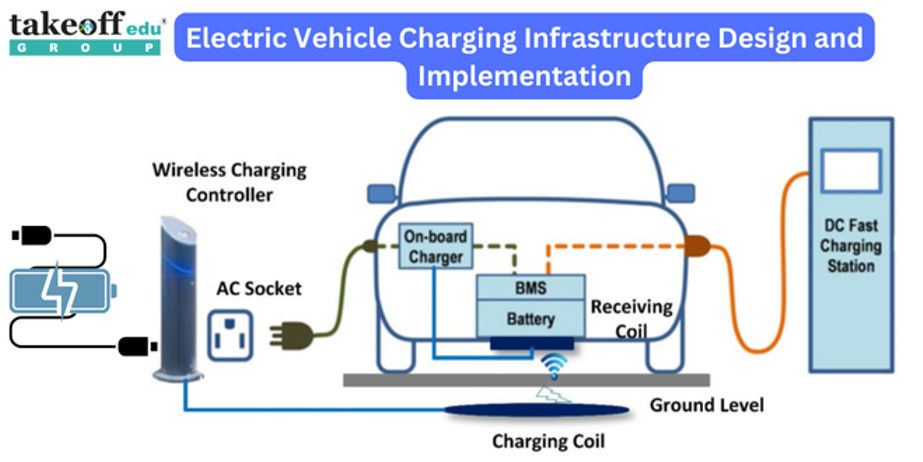 Electric Vehicle Charging Infrastructure Design and Implementation
 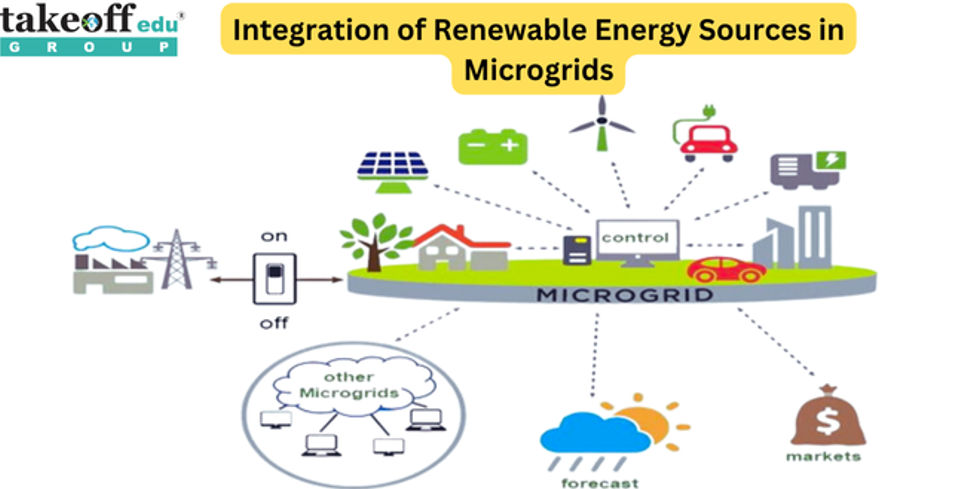 Integration of Renewable Energy Sources in Microgrids
  Electrical Projects Engineering Students
 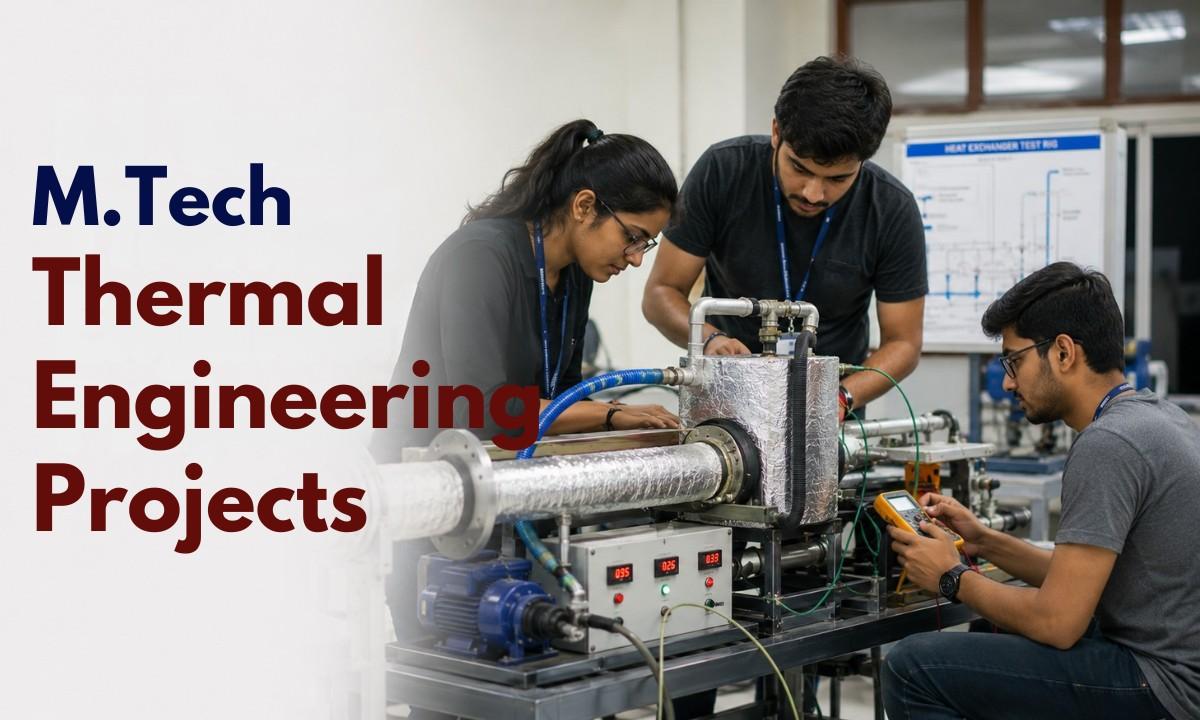 M.Tech Thermal Engineering Projects
  IEEE Projects for Electrical Engineering
  Mini Projects for EEE
  Mini Projects for Electrical Students
  Top Electrical Projects for Final Year Students
  10 Interesting Projects for Electrical Engineering Students
  7 Trending Power Systems Based Projects for EEE
  Top 10 Power Electronics Projects for EEE
  Top 16 Electrical Engineering Projects




























 Paper Publishing




