
Introduction
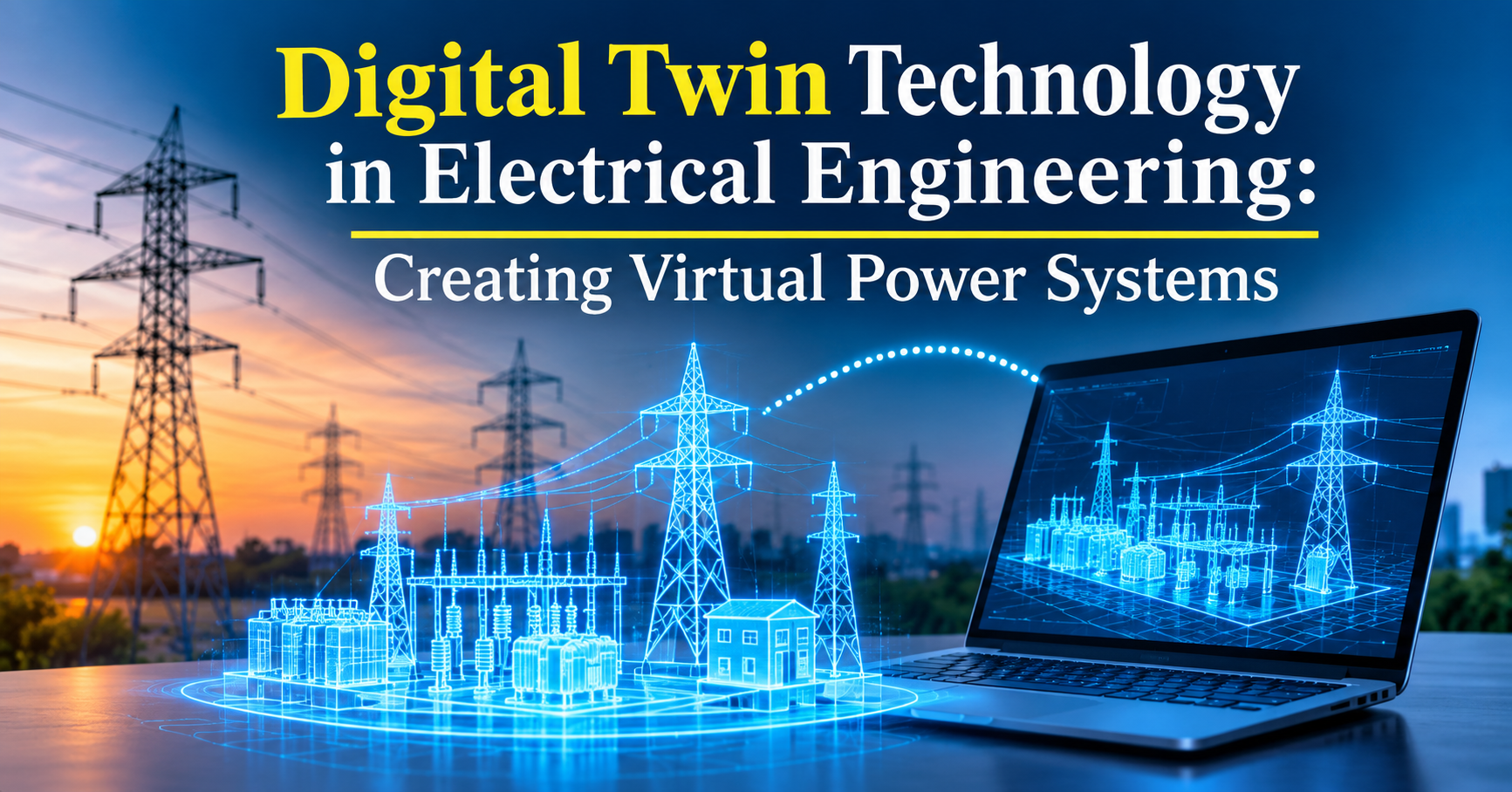
Digital Twin Technology is one of the emerging technologies transforming the field of electrical engineering. It creates a virtual representation of a real-world electrical system, allowing engineers to monitor, analyze, and improve the performance of physical equipment. This technology combines the Internet of Things (IoT), Artificial Intelligence (AI), Machine Learning (ML), sensors, and simulation tools to create a digital model that works alongside an actual electrical system.
For example, engineers can create a digital twin of a transformer, generator, electric motor, or complete power grid. They can observe voltage, current, temperature, energy consumption, and other operating parameters without directly disturbing the physical equipment.
For electrical engineering students, understanding this technology creates opportunities to develop innovative projects related to power system monitoring, fault prediction, energy management, and smart electrical systems. Digital Twin Technology is expected to play an important role in developing intelligent, efficient, and sustainable power systems.
What Is Digital Twin Technology?
Digital Twin Technology refers to creating a virtual model of a physical object, machine, or complete system. This virtual model receives information from the real system through sensors and connected devices.
For example, a digital twin of an electrical transformer can display its temperature, voltage, current, load conditions, and operating status. When the actual transformer experiences a change, the digital model can receive updated information and reflect its condition.
How Does Digital Twin Technology Work in Electrical Engineering?
Digital Twin Technology works by connecting physical electrical equipment with its virtual representation. It collects data, processes the information, and displays the results for engineers.
The working process generally involves the following steps:
1. Physical Equipment: The process begins with real electrical equipment such as transformers, motors, generators, or power distribution systems.
2. Sensor Installation: Sensors are installed to measure important parameters such as voltage, current, temperature, vibration, and power consumption.
3. Data Collection: IoT devices collect information from the physical equipment and transfer it to a digital platform.
4. Data Processing: The collected information is processed using software tools, analytics, and Artificial Intelligence techniques.
5. Virtual Model Creation: A digital representation of the physical electrical system is developed using simulation and modelling software.
Major Components of a Digital Twin Power System
A digital twin power system consists of different technologies that work together to create and maintain a virtual representation.
1. Internet of Things (IoT) Sensors
IoT sensors collect real-time information from electrical equipment. They measure voltage, current, temperature, vibration, and other important parameters. This information helps engineers understand the actual condition of the equipment.
2. Artificial Intelligence (AI)
AI helps analyze collected data and identify unusual operating patterns. It can support fault prediction, performance analysis, and automated decision-making.
3. Machine Learning (ML)
Machine Learning algorithms use historical and real-time data to identify patterns. They can help predict equipment failures and estimate future performance.
4. Simulation Software
Simulation tools create virtual models of electrical systems. Engineers can use these models to study different operating conditions and test possible improvements.
5. Cloud Computing
Cloud platforms help store, manage,
and process large amounts of electrical system data. They also allow engineers
to access monitoring information remotely.
Applications of Digital Twin Technology in Electrical Engineering
Digital Twin Technology has several applications in modern electrical engineering. It helps improve the performance of electrical equipment and supports the development of intelligent power systems.
1. Smart Grid Monitoring
Smart grids use digital communication and monitoring technologies to manage electricity generation, transmission, and distribution. Digital twins help create virtual representations of grid infrastructure.
2. Transformer Monitoring
Transformers are important components of electrical power systems. Their performance needs continuous monitoring to prevent unexpected failures.
3. Renewable Energy Systems
Digital Twin Technology is useful in renewable energy applications such as solar power plants and wind energy systems.
4. Predictive Maintenance
Traditional maintenance methods often depend on fixed schedules or physical inspections. Digital twins support predictive maintenance by analyzing equipment performance and identifying possible warning signs.
For example, if an electric motor shows unusual vibration or temperature changes, the digital twin can help engineers investigate the issue before a major failure occurs.
5. Power Generation Systems
Digital twins can be used in thermal power plants, hydroelectric power stations, and other electricity generation facilities.
They help monitor generators, turbines, motors, and other equipment. Engineers can analyze operating conditions, improve efficiency, and identify maintenance requirements.
Benefits of Digital Twin Technology in Electrical Engineering
Digital Twin Technology provides several benefits for electrical engineers, industries, and power system operators.
- Real-Time Monitoring: Helps engineers observe the performance of electrical equipment using continuously updated data.
- Fault Detection: Identifies unusual operating conditions and supports early fault detection.
- Reduced Maintenance Costs: Helps plan maintenance activities and avoid unnecessary equipment inspections.
- Improved Efficiency: Supports better energy management and equipment performance.
- Reduced Downtime: Helps identify
potential problems before they cause unexpected equipment failures.

Digital Twin Projects for Electrical Engineering Students
Digital Twin Technology provides interesting opportunities for B.Tech and M.Tech electrical engineering students to develop practical projects.
Some project ideas include:
1. Digital Twin-Based Transformer Health Monitoring System.
2. Smart Grid Monitoring Using IoT and Digital Twin Technology.
3. Solar Power Plant Performance Monitoring Using Digital Twins.
4. Predictive Maintenance of Electric Motors Using Machine Learning.
5. Digital Twin-Based Power Distribution Monitoring System.
Challenges of Implementing Digital Twin Technology
Although Digital Twin Technology provides many advantages, implementing it in electrical engineering also involves certain challenges.
High Initial Investment: Developing digital twin systems requires sensors, communication devices, software platforms, and computing infrastructure.
Data Security: Electrical systems generate large amounts of data. Protecting this information from unauthorized access is important.
Technical Knowledge: Engineers need knowledge of electrical systems, IoT, programming, data analytics, and simulation tools.
Data Accuracy: Digital twin models depend on accurate sensor information. Incorrect or incomplete data can affect monitoring and analysis.
Future Scope of Digital Twin Technology in Electrical Engineering
The future of Digital Twin Technology in electrical engineering is promising. As smart grids, renewable energy systems, electric vehicles, and industrial automation continue to develop, the demand for intelligent monitoring and simulation solutions is expected to increase.
They can also support the integration of solar and wind energy into electrical grids, improve energy storage management, and help engineers develop more reliable power distribution networks.
Conclusion
Digital Twin Technology is transforming electrical engineering by creating virtual representations of physical electrical systems. It allows engineers to monitor equipment, analyze performance, identify possible faults, and improve system efficiency using real-time data.
Overall, Digital Twin Technology is creating new opportunities for developing intelligent, efficient, and sustainable power systems. It is also an excellent area for B.Tech and M.Tech students to explore innovative electrical engineering projects and gain practical knowledge of modern power system technologies.
Explore innovative electrical engineering projects with TakeOff Projects! Get expert guidance, quality project ideas, and practical support to bring your final-year project concepts to life
 Real-Time Object Detection Using Raspberry Pi + TensorFlow
 Lightweight AI Models for Edge Computing Using Raspberry Pi
 Smart Traffic Monitoring System Using OpenCV
 Running Lightweight AI Models on Raspberry Pi for Edge AI
 Smart Irrigation with Embedded AI: Digital Farming
 Designing Smarter Cities: Embedded IoT Systems for Urban Innovation
 Top 5 PIC16F77A Projects for Embedded Students
 Top 7 Arduino Projects for Students
 Top 5 Node MCU Projects
 Top 5 Raspberry Pi Projects
 Top 7 ARM7 Project Ideas
 Top 5 Mechatronics Projects for ECE
 Top 5 Renewable Energy Projects Ideas
 Top 7 Biomedical Projects for Students
 Top 7 Artificial Intelligence Project Ideas
 Top 7 WSN Projects for Students
 Top 7 Machine Learning Projects for BTech & MTech
 Top 7 Image Processing Projects
 Top 7 Industrial Automation Projects
 Top 7 Deep Learning Projects for Final Year Students
 Top 7 Robotics Projects for Engineering Students
 Top 7 IoT Projects for Students
 Arduino based Projects for Final Year
 Embedded Projects for ECE
 FPGA Projects for Engineering Students
 New Deep Learning Projects Ideas & Topics
 Machine Learning Projects for Final Year CSE
 Engineering Projects on Machine Learning
 Wireless Sensor Network Projects
 Wireless Sensor Network Projects with Source Code
 Latest Bio Medical Projects for Students
 Innovative Bio Medical Project Ideas & Topics
 21+ Interesting Mini Projects on Robotics
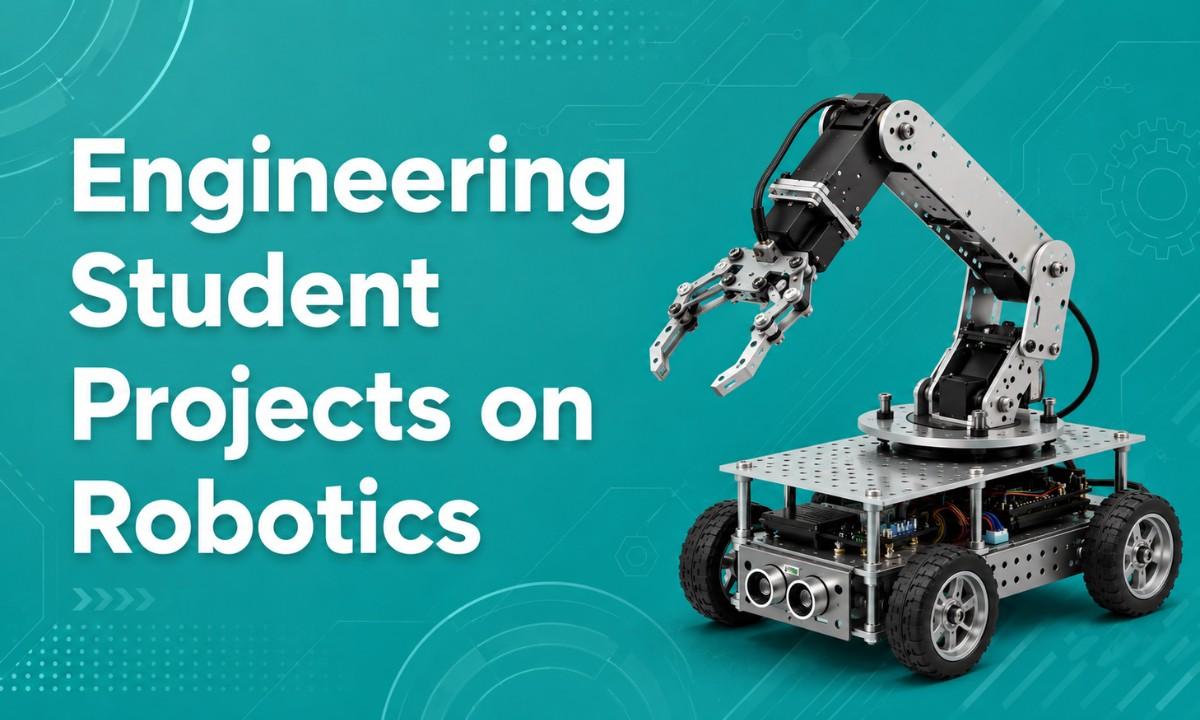 Engineering Student Projects on Robotics
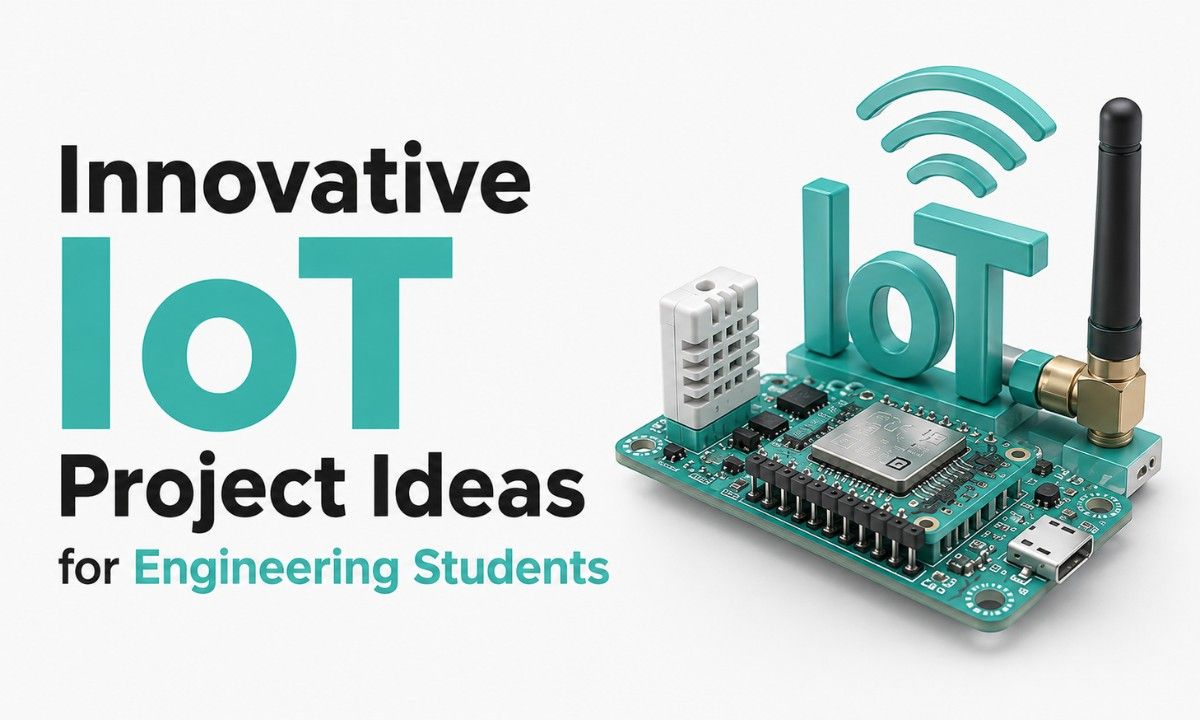 Innovative IoT Project Ideas for Engineering Students
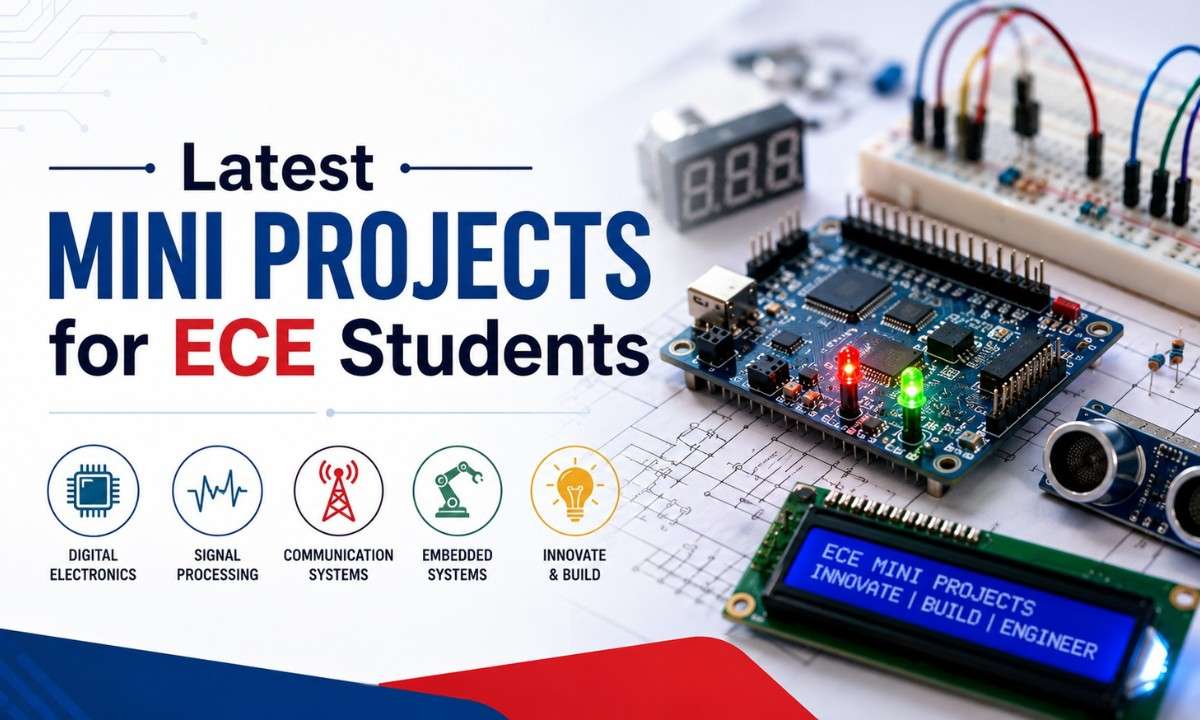 Latest Mini Projects for ECE Students 2022
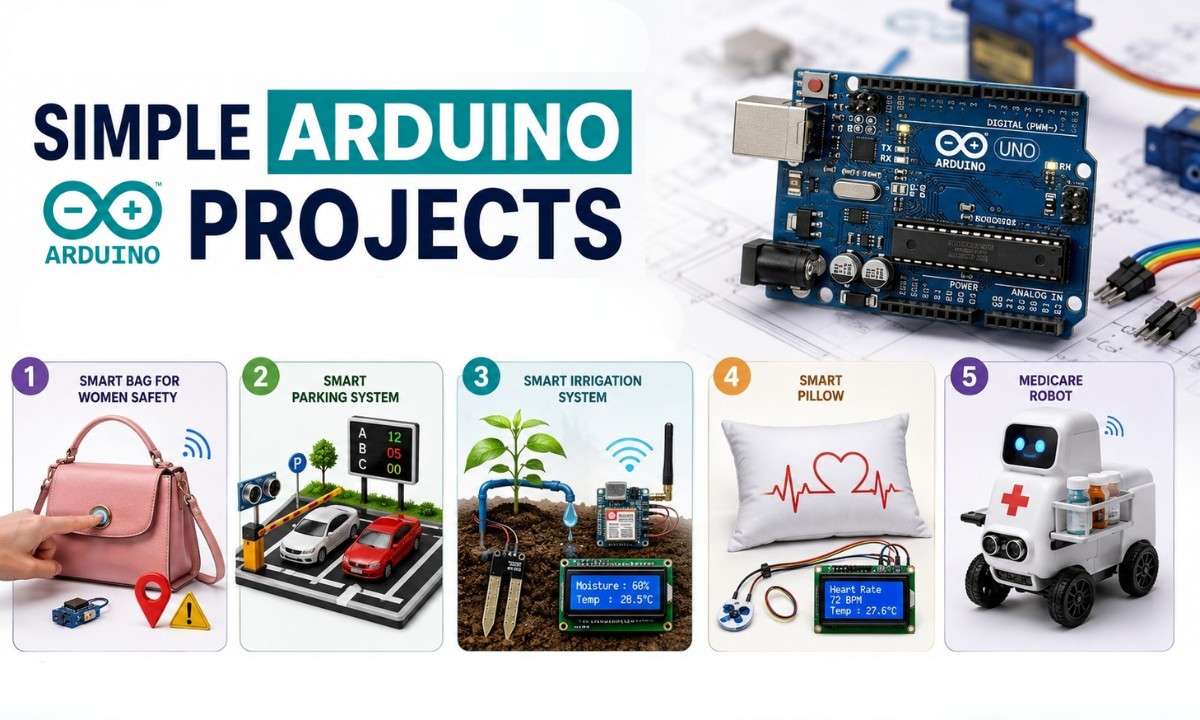 List of Simple Arduino Projects
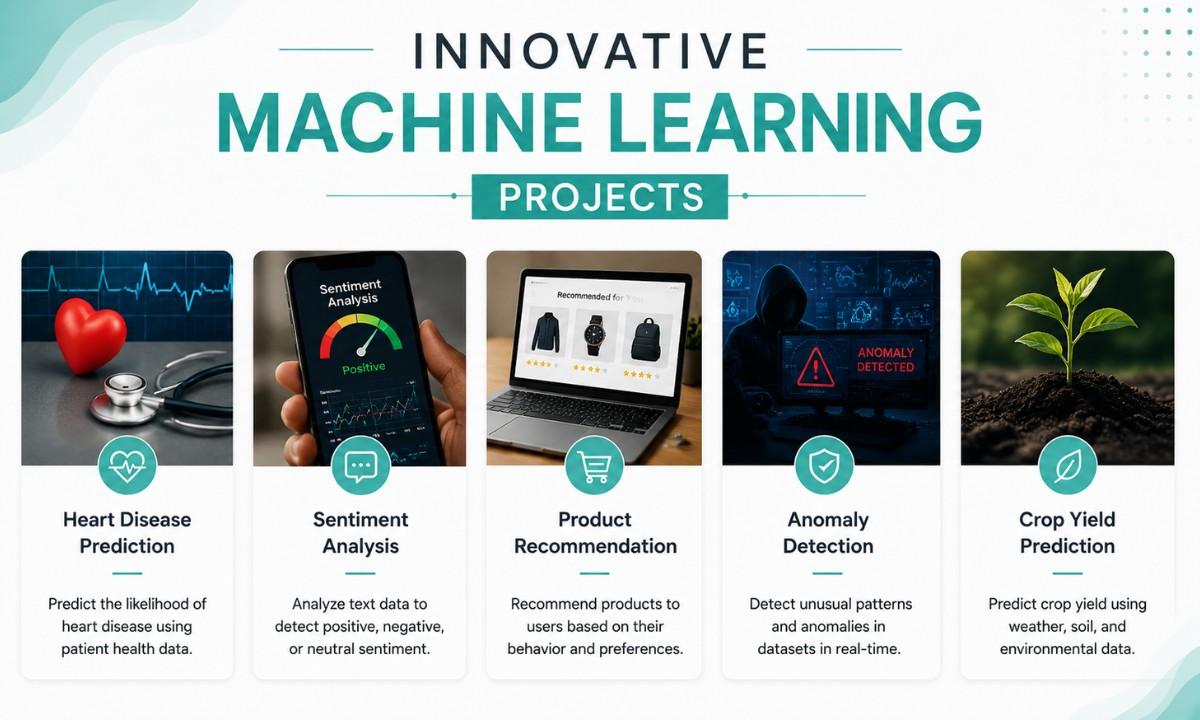 Innovative Machine Learning Projects
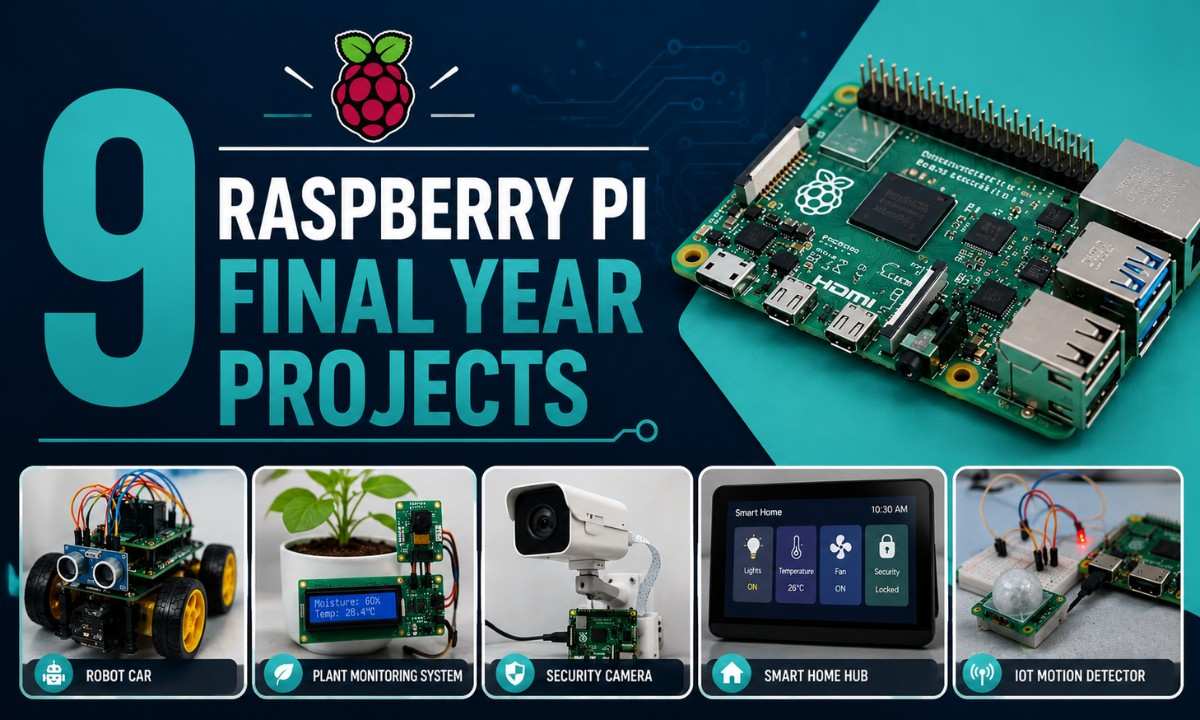 9 Raspberry Pi Final Year Projects
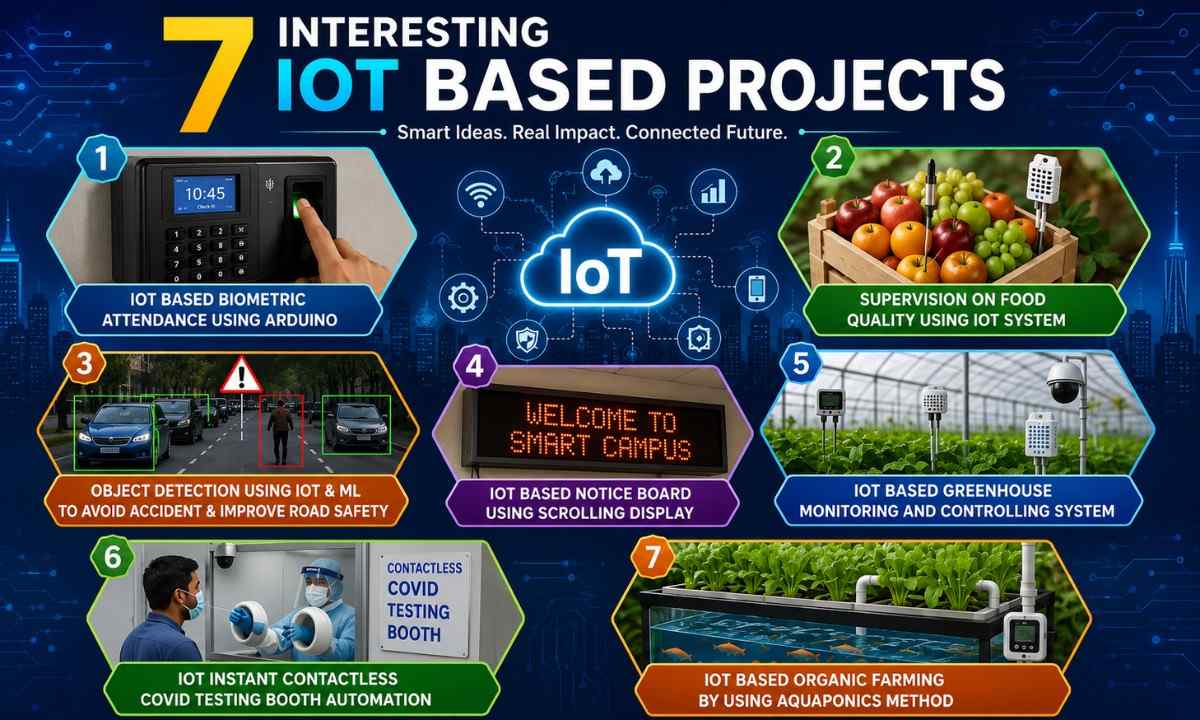 7 Interesting IoT Based Projects
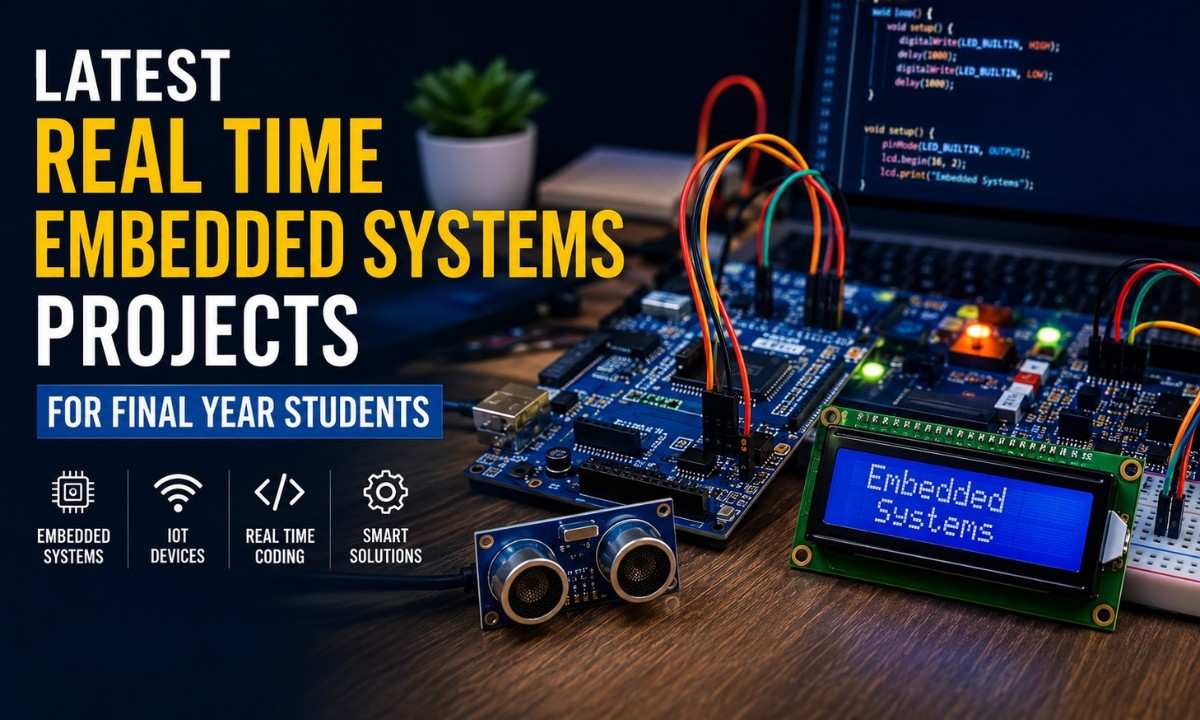 Latest Real Time Embedded Systems Projects for Final Year Students




































 Paper Publishing