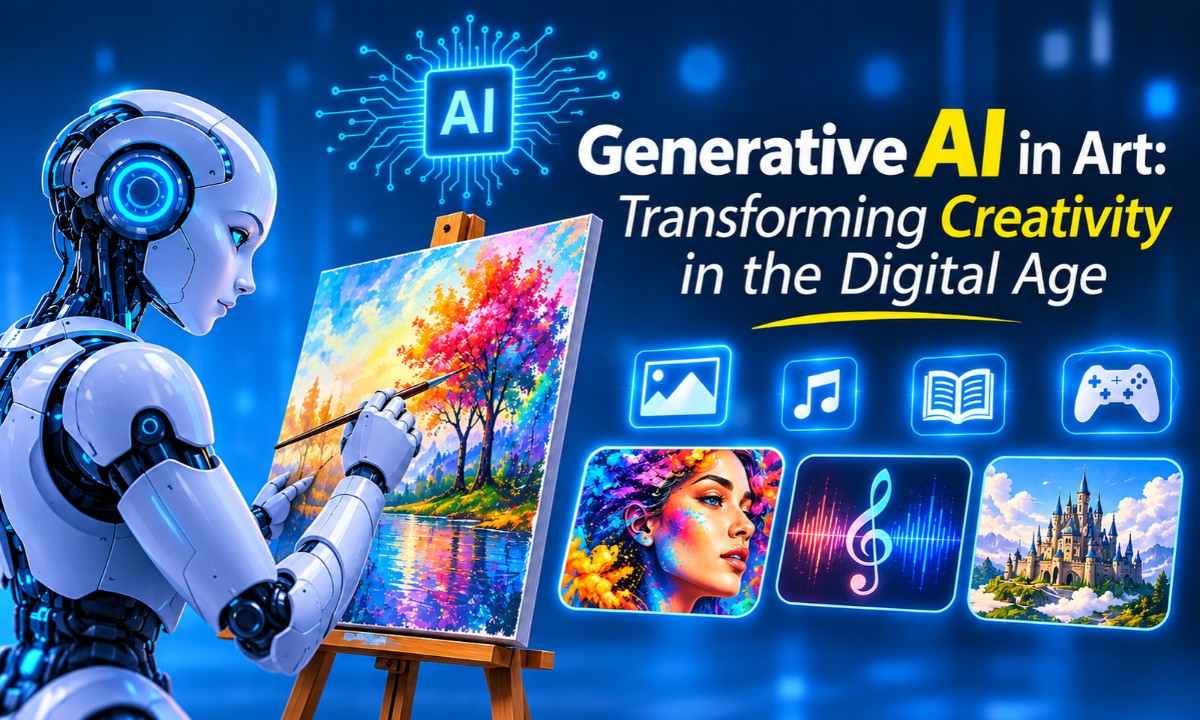

Introduction to Generative AI in Art
Technology has continuously transformed human creativity, and Artificial Intelligence (AI) is taking this transformation to a new level. One of the most exciting developments is Generative AI in Art, which enables machines to create original visual artwork, music, stories, illustrations, and digital content. By learning patterns from existing datasets, generative AI models can generate new creative outputs based on user instructions and artistic styles.
From AI-generated paintings and digital illustrations to automatically composed music and creative storytelling, this technology is opening new opportunities for artists, designers, writers, and musicians. Takeoff Edu Group explores emerging technologies and innovative project opportunities that help engineering students understand how generative AI can be applied to real-world challenges.
What Is Generative AI in Art?
Generative AI in Art refers to using artificial intelligence models to create creative content such as paintings, illustrations, music, poetry, stories, animations, and digital designs.
Unlike traditional AI systems that primarily analyze information or make predictions, generative AI models learn patterns and relationships from training data to produce new content.
Some important technologies used in generative AI include:
- Generative Adversarial Networks (GANs): Two neural networks work together to generate realistic images and synthetic content.
- Diffusion Models: These models generate images by gradually transforming random noise into meaningful visuals.
- Large Language Models (LLMs): These models generate stories, articles, poems, scripts, and other text-based content.
- Transformer Models: These architectures help AI understand relationships within data and support text, music, and multimodal generation.
For example, an artist can enter a text prompt describing a futuristic city, and an AI image-generation model can transform that description into a detailed digital illustration.
How Does Generative AI in Art Transform Creative Industries?
Generative AI is changing how creative professionals develop ideas, produce content, and interact with digital tools.
1. AI-Generated Visual Art and Digital Illustrations
One of the most popular applications of generative AI is visual art creation. AI-powered tools can generate illustrations, realistic images, abstract paintings, character designs, and digital artwork from simple text descriptions.
Artists can experiment with different colors, textures, lighting conditions, and artistic styles without manually creating every element.
Applications include:
- Digital painting and illustration generation.
- AI-powered character and environment design.
- Concept art for games and animations.
- Background and texture generation.
- Creative advertising and graphic design.
2. Generative AI in Music Composition
Generative AI is transforming the music industry by enabling AI systems to compose melodies, create background scores, generate sound effects, and experiment with different musical styles.
AI models analyze musical patterns, rhythms, instruments, and structures to generate compositions.
Applications include:
- Automatic music composition.
- AI-generated background music for videos.
- Soundtrack development for games and films.
- Music arrangement and remixing.
- Personalized music generation.
3. AI-Powered Literature and Content Creation
Generative AI introduces new possibilities in writing and storytelling. Large Language Models can generate poems, short stories, scripts, fictional characters, and creative narratives based on user instructions.
Writers can use AI tools to brainstorm ideas, develop story outlines, explore different writing styles, and improve their creative workflows.
Applications include:
- AI-assisted storytelling.
- Automatic poem and script generation.
- Creative writing assistance.
- Interactive fictional experiences.
- Personalized educational content.
Human creativity, editing, originality, and fact-checking remain important to ensure that generated content is meaningful and reliable.
4. Generative AI in Gaming and Animation
The gaming and animation industries use generative AI to develop digital environments, character concepts, textures, storylines, and interactive experiences.
Developers can generate background environments, character variations, game dialogue, and concept illustrations. This helps accelerate creative development and supports more personalized digital entertainment.
5. Generative AI in Advertising and Marketing
Generative AI is becoming valuable in digital marketing and advertising. Businesses can use AI tools to create promotional messages, social media graphics, product descriptions, and advertising concepts.
It helps marketing teams experiment with different campaign ideas, develop engaging content, and create personalized experiences for different audiences.

Key Benefits of Generative AI in Art
Generative AI provides several advantages to creative professionals,
businesses, and technology developers.
1. Faster Creative Production: AI tools can generate
multiple creative concepts quickly, reducing the time required for initial
designs and content development.
2. Improved Experimentation: Artists can explore different
styles, compositions, and concepts without starting every design from scratch.
3. Increased Accessibility: People with limited artistic
experience can experiment with digital creativity using simple text prompts.
4. Personalized Content Creation: Generative AI supports
customized artwork, music, stories, and digital experiences based on individual
preferences.
5. Creative Assistance: AI can handle repetitive tasks and
support idea generation, allowing professionals to focus on creative decisions.
Challenges and Ethical Considerations of Generative AI in Art
Although generative AI offers exciting opportunities, it also introduces challenges that require attention.
- Copyright and Intellectual Property: AI-generated artwork raises questions about ownership, copyright protection, and the use of existing creative works in training datasets.
- Originality and Authenticity: AI-generated content may reproduce recognizable patterns from existing works, making originality and ownership important considerations.
- Bias in AI-Generated Content: If training datasets contain biases, generated images, music, and written content may reflect those limitations.
- Impact on Creative Employment: Automation may change certain creative roles and workflows. However, human judgment, artistic direction, and original ideas remain important.
- Responsible AI Usage: Developers and creative professionals should consider transparency, fairness, copyright, and data privacy when using generative AI technologies.
Generative AI Projects for Engineering Students
Generative AI is not limited to art, music, and literature. It also provides exciting opportunities for engineering students to develop practical applications using machine learning, deep learning, cloud computing, natural language processing, and intelligent automation.
Here are five innovative Generative AI projects for engineering students that demonstrate how this technology can address real-world challenges.
1. Generative AI Driven Predictive Autoscaling Framework for Cloud Native Application
Cloud-native applications experience changing workloads depending on user traffic and application requirements. Managing these workloads efficiently is important for maintaining performance and reducing infrastructure costs.
This project focuses on developing a generative AI-driven predictive autoscaling framework that analyzes application performance metrics and predicts future resource requirements.
Key Features:
- Predictive workload analysis.
- Intelligent resource allocation.
- Automated scaling recommendations.
- Cloud performance monitoring.
- Resource utilization optimization.
Technologies: Generative AI, Machine Learning, Cloud Computing, Kubernetes, Predictive Analytics, and Python.
2. Multimodal Disaster Detection and Severity Assessment Using AI/ML with Generative AI Based Emergency Analysis
Natural disasters require quick detection, accurate assessment, and effective emergency response. This project focuses on developing an intelligent disaster detection system using multiple data sources.
The system can analyze images, textual reports, and relevant information to identify disaster-related situations and estimate their severity. Generative AI can assist in producing structured emergency analysis reports and response recommendations.
Key Features:
- Multimodal disaster information analysis.
- AI-powered disaster detection.
- Severity assessment and classification.
- Automated emergency report generation.
- Intelligent response recommendations.
Technologies: Artificial Intelligence, Machine Learning, Deep Learning, Computer Vision, Multimodal AI, and Generative AI.

3. A Voice Enabled Generative AI Chatbot for Personalized Learning Support
Personalized learning is becoming increasingly important in modern education. Students often need immediate explanations, learning resources, and interactive academic support.
This project proposes a voice-enabled generative AI chatbot that allows students to interact with an intelligent learning assistant through spoken or text-based queries.
The chatbot can understand questions, generate contextual explanations, and provide personalized learning support.
Key Features:
- Voice-based student interaction.
- Natural language understanding.
- AI-generated explanations.
- Personalized learning assistance.
- Interactive question-and-answer support.
Technologies: Generative AI, Natural Language Processing, Speech Recognition, Text-to-Speech, Large Language Models, and Python.
4. AI-Powered Carbon Footprint Prediction and Optimization for Sustainable Logistics Using Machine Learning and Generative AI
Sustainable logistics plays an important role in reducing the environmental impact of transportation and supply chain operations.
This project focuses on predicting carbon emissions associated with logistics activities and identifying opportunities to improve transportation efficiency.
Machine learning models can estimate carbon footprint levels using operational data, while generative AI can assist in producing optimization suggestions and sustainability reports.
Key Features:
- Carbon footprint prediction.
- Transportation emission analysis.
- Sustainable logistics recommendations.
- Route and operational optimization support.
- AI-generated environmental reports.
Technologies: Machine Learning, Generative AI, Predictive Analytics, Data Science, and Sustainable Computing.
5. Smart Retail Query and Alert System for Apparel and Footwear Using Generative AI
Retail businesses frequently handle customer questions about product availability, sizes, colors, pricing, and inventory information.
This project proposes a smart retail query and alert system that uses generative AI to provide intelligent responses to customer queries related to apparel and footwear.
The system can connect customer interactions with product and inventory information to provide contextual answers and generate alerts when specific conditions are met.
Key Features:
- Intelligent retail query processing.
- AI-powered customer assistance.
- Product information retrieval.
- Inventory-based alerts.
- Automated customer query responses.
Technologies: Generative AI, Natural Language Processing, Database Management, Machine Learning, and Intelligent Automation.
These projects demonstrate how generative AI can be applied beyond creative content generation. Engineering students can explore its capabilities in cloud computing, disaster management, education, sustainable logistics, and smart retail applications.
Future Scope of Generative AI in Art
The future of generative AI in art is expected to bring more advanced creative capabilities and interactive experiences.
Some emerging possibilities include:
- Real-Time Creative Generation: AI systems that generate visual and audio content instantly based on user interactions.
- Multimodal Creativity: Tools that combine text, images, audio, and video generation.
- AI-Assisted Virtual Production: Generative AI integrated into animation, filmmaking, and virtual environment development.
- Personalized Digital Experiences: Creative content generated according to individual interests and preferences.
- Human-AI Collaboration: New workflows where artists and AI systems work together to explore innovative ideas.
These developments will create opportunities for artists, designers, researchers, and engineering students interested in artificial intelligence and digital innovation.

Conclusion: The Growing Impact of Generative AI in Art
The evolution of Generative AI in Art represents an important milestone in the relationship between technology and human creativity. From generating digital illustrations and composing music to developing stories, animations, and personalized creative experiences, generative AI is transforming traditional approaches to content creation.
Beyond creative applications, this technology is creating opportunities for innovative engineering solutions in cloud computing, disaster management, education, sustainable logistics, and retail automation.
Takeoff Edu Group encourages engineering students to explore emerging technologies, develop innovative AI-based solutions, and gain practical knowledge through industry-relevant project development. Understanding generative AI today can help students prepare for future opportunities in artificial intelligence, machine learning, and digital innovation.
As the technology continues to advance, the combination of human imagination and artificial intelligence will play an important role in shaping the future of creativity and engineering.
FAQs
1. What is Generative AI in Art?
Generative AI in Art is the application of artificial intelligence models to create original visual artwork, music, literature, illustrations, and other creative content using learned patterns and user instructions.
2. How is Generative AI used in creative industries?
Generative AI is used in digital painting, music composition, storytelling, animation, gaming, advertising, graphic design, and personalized content creation.
3. Which technologies are used in Generative AI art creation?
Important technologies include Generative Adversarial Networks (GANs), diffusion models, transformer architectures, deep learning, and Large Language Models (LLMs).
4. Can engineering students develop Generative AI projects?
Yes. Engineering students can develop practical applications in cloud computing, education, disaster management, sustainable logistics, smart retail, and other domains.
5. Will Generative AI replace human artists?
Generative AI can automate certain creative tasks and support content production, but human creativity, artistic judgment, originality, and emotional expression remain essential.
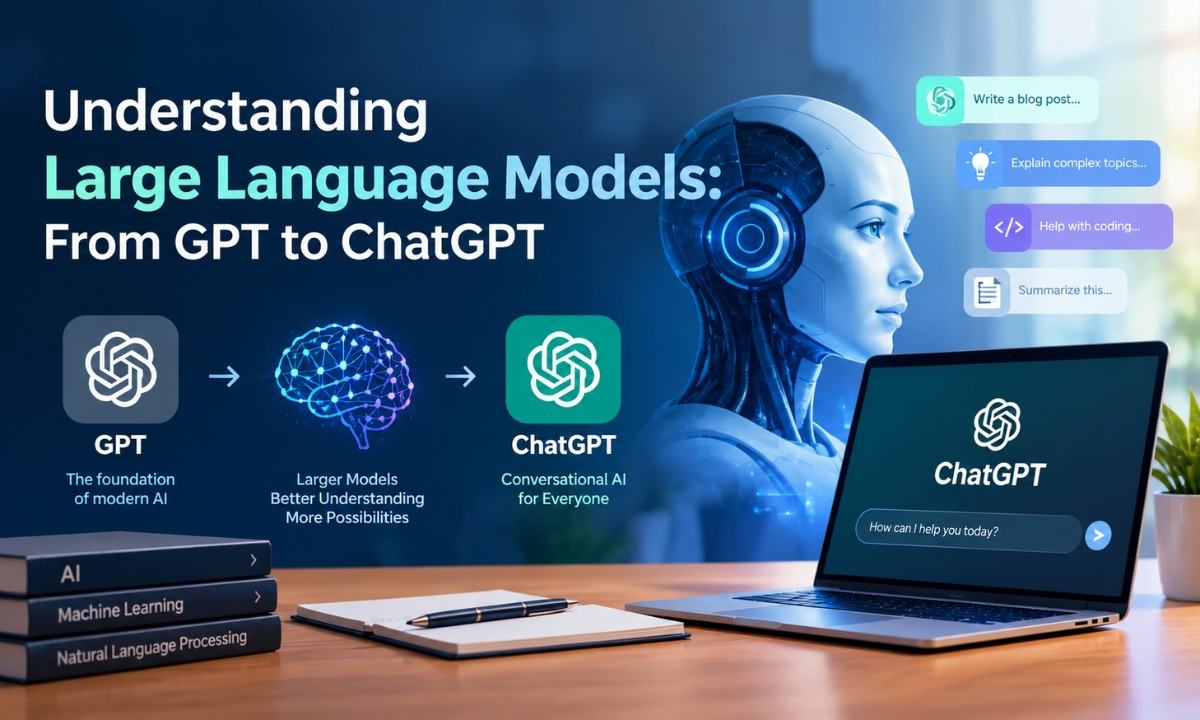 Understanding Large Language Models: From GPT to ChatGPT
 What is Generative AI? A Complete Guide to Its Technology and Applications
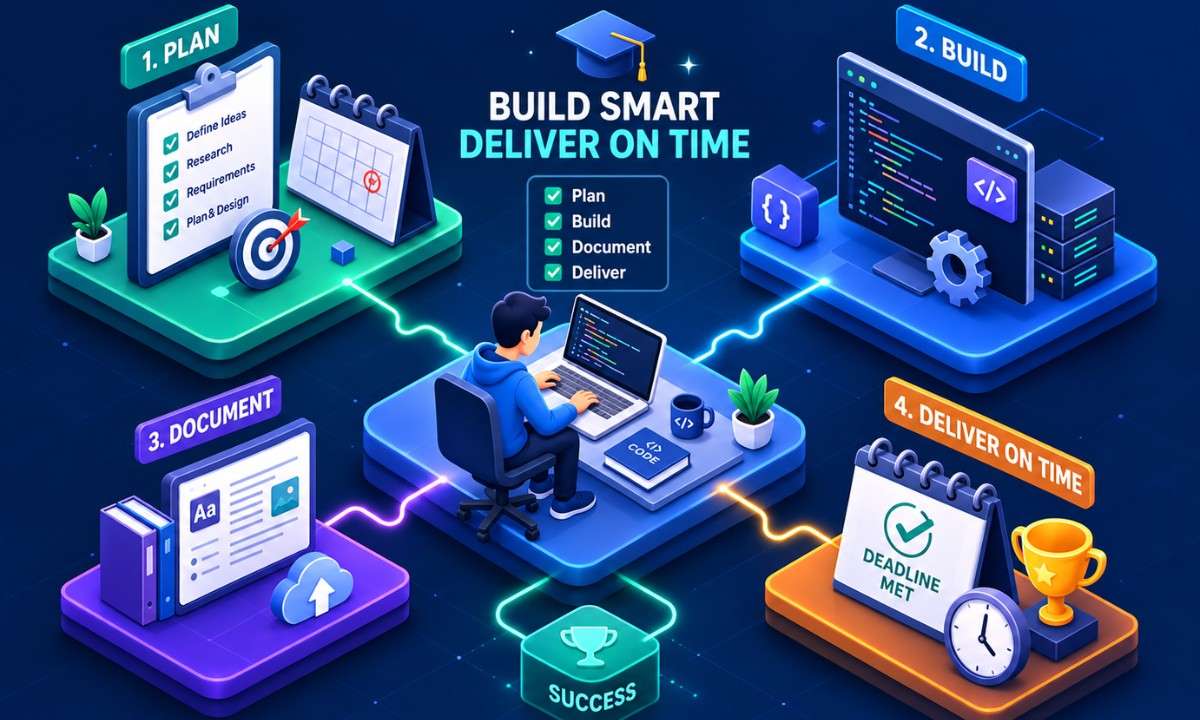 Computer Science Projects: A Step-by-Step Guide for Students
 The Impact of Large Language Models on Natural Language Processing
 An Introduction to Deep Learning: Understanding Neural Networks
 What is Agentic AI? Understanding Autonomous Decision-Making in AI Systems
 Confused About Choosing Data Science Projects for Final Year? Here's Everything You Need to Know
 What Are the Best Natural Language Processing Projects for Final Year Students?
 Top 10 Machine Learning Final Year Projects for Engineering Students
 How to Choose AI Projects for Students for Your Final Year Project?
 Exploring the Future of LLMs: What’s next for AI in Language Understanding?
 Artificial Intelligence Projects in Python with Complete Project Support
 Trending Data Mining Projects for BTech Students in 2026
 100+ Machine Learning Projects & Ideas for Students
 Top 10 Innovative AI Project Ideas for Final Year Students
 Explainable Artificial Intelligence (XAI) in the Era of Black Box Foundation Models
 Personalized AI Companions: A new wave of Emotional Intelligence in GenAI
 Responsible GenAI: Guardrails, Bias Control, and Alignment Techniques
 Synthetic Data Generation for Training Robust AI Models
 GenAI for Software Development: Code Generation, Refactoring & Debugging
 Agentic AI: The Rise of Multi-Agent Autonomous Systems
 Machine Learning Projects
 Fine-Tuning Llama 4 A Guide With Demo Project
 Top Advanced Machine Learning Projects for 2025
 Machine Learning Projects for Final Year Students
 Computer Science Projects
 ML Projects for Final Year
 Project Ideas for BTech CSE
 Mini Projects for Computer Science
 Major Project for CSE
 IEEE Projects for CSE
 Latest CSE Projects Ideas & Topics for Engineering Students
 List of Final Year Projects for Computer Science
 Top 6 Computer Science Engineering Projects


































 Paper Publishing