
Introduction
The rapid development of 5G networks has completely changed the interaction among devices, providing ultra-low latency, high bandwidth and smart connectivity. The fact that the networks allow direct communication between devices raises the issue of Security in 5G. When billions of devices are connected and sharing sensitive data, it is a must to have secure, efficient and scalable communication protocols. A very clever solution which is drawing interest is the use of the Secure Gale-Shapley Algorithm to bolster security and to ensure the reliable data transfer in 5G networks.
The Growing Need for Security in 5G Networks
The 5G architecture allows for the connection of multiple users in a decentralized and flexible manner, mainly through device-to-device communication. This communication mode, although enhancing speed and reliability, comes with new cybersecurity risks. Thus, fortifying Security in 5G implies production of a framework that can cope with real-time threats, privacy risks, and the vulnerabilities attached to 5G communication. The gradual yet steady dependency of various industries covered by 5G technology, IoT, healthcare, autonomous vehicles and smart cities, makes it a necessity to develop strong protection measures.
Understanding Device-to-Device Communication in 5G
Device-to-device communication, usually called D2D, allows mobile devices to talk among themselves without the mediator of a base station. The outcome of this scenario would be faster data transfer rates, more efficient consumption of power, and diminishing internet traffic. Still, that feature which is distributed also carries along with it the drawback of easy access to cyberattacks, for instance, impersonation or imitation, wiretapping, interference, and hacking of data. In order to make the 5G network robustly secure, it must have in place very sophisticated algorithm models as well as AI-based protective measures that will ensure and maintain trustworthy relationships among users and devices.
Challenges Present in 5G Network Security
While 5G communication brings several benefits, it also opens the door to a wider attack surface:
• Higher device density increases vulnerability.
• Decentralized architecture complicates monitoring.
• Low-latency demands leave limited time for traditional security verification.
• Massive IoT integration introduces multiple access points.
These issues demand innovative approaches beyond conventional network security methods. The aim is to create systems that react intelligently, adapt to changing threats, and protect communication channels while maintaining performance.
Why the Secure Gale-Shapley Algorithm is a Breakthrough
The Gale-Shapley Algorithm, which has been used for decades in matchmaking problems, has found its way into security applications in wireless communication. When applied to 5G technology, the algorithm gets rid of the malicious nodes and securely matches devices at the same time.
A Secure Gale-Shapley model guarantees:
• Devices paired stably and reliably
• Protection from impersonation attacks
• Allocation of resources with efficiency
• Interference in D2D communication minimized
This method, by integrating encryption, authentication, and secure pairing protocols, boosts the security of wireless communication through several layers.
AI-Driven Improvements to the Secure Gale-Shapley Approach
According to your goal of establishing a strong security framework driven by AI for D2D communication in 5G networks, Secure Gale-Shapley Algorithm can be integrated with the most advanced techniques like:
1. Adaptive Jamming Detection
Real-time data patterns can be analyzed by AI models for detecting strange signals. In the case of the matching algorithm, devices will, on their own, stay away from communication lines that are compromised.
2. Differential Privacy
This technique guarantees that personal information is still secure even if it is exchanged between multiple devices. It prevents sensitive information leakage during D2D pairing.
3. Secure Multi-Party Computation (MPC)
Devices’ inputs remain hidden even when they cooperate to find the answer. The matching process, when enabled by this technique, will let the device negotiation happen without the charge of a breakthrough.
4. Lightweight Encryption
Lightweight cryptography does not reduce the speed of network performance; it only enhances the security of 5G networks, thus complying with the needs of 5G processing. It, in turn, aids the Secure Gale-Shapley model by providing extra security for the privacy and the communication of the device.
The mentioned technologies coexist in unison to fortify the 5G network security while keeping the communication smooth and efficient.
Benefits of Secure Gale-Shapley in 5G D2D Communication
• Improved data confidentiality through stable matching• Stronger authentication between devices
• Reduced interference and enhanced performance
• Lower computational overhead compared to traditional security models
• Scalability for massive IoT and high-density environments
This approach not only strengthens wireless communication security but also prepares networks for future 6G advancements.
Secure 5G D2D Communication - Real-Life Scenarios
• Smart home and IoT devices coordination
• Vehicle communication in smart transport systems
• Healthcare networks that need secure patient data transfer
• Industry and robotics communication
• Military and emergency response networks
All these situations on secure, fast communication want the Secure Gale-Shapley Algorithm as a solution.
Conclusion
With the ongoing transformation of connectivity worldwide by 5G, the issue of Security in 5G is still the prime concern. The fitting of AI-assisted models such as adaptive jamming detection, differential privacy, MPC and lightweight encryption, alongside the Secure Gale-Shapley Algorithm, provides a potent structure for safeguarding communication between devices. Moreover, this method not only increases the stability, privacy, and reliability but also fortifies the entire security of 5G and paves the way for more secure, intelligent, and durable wireless networks.
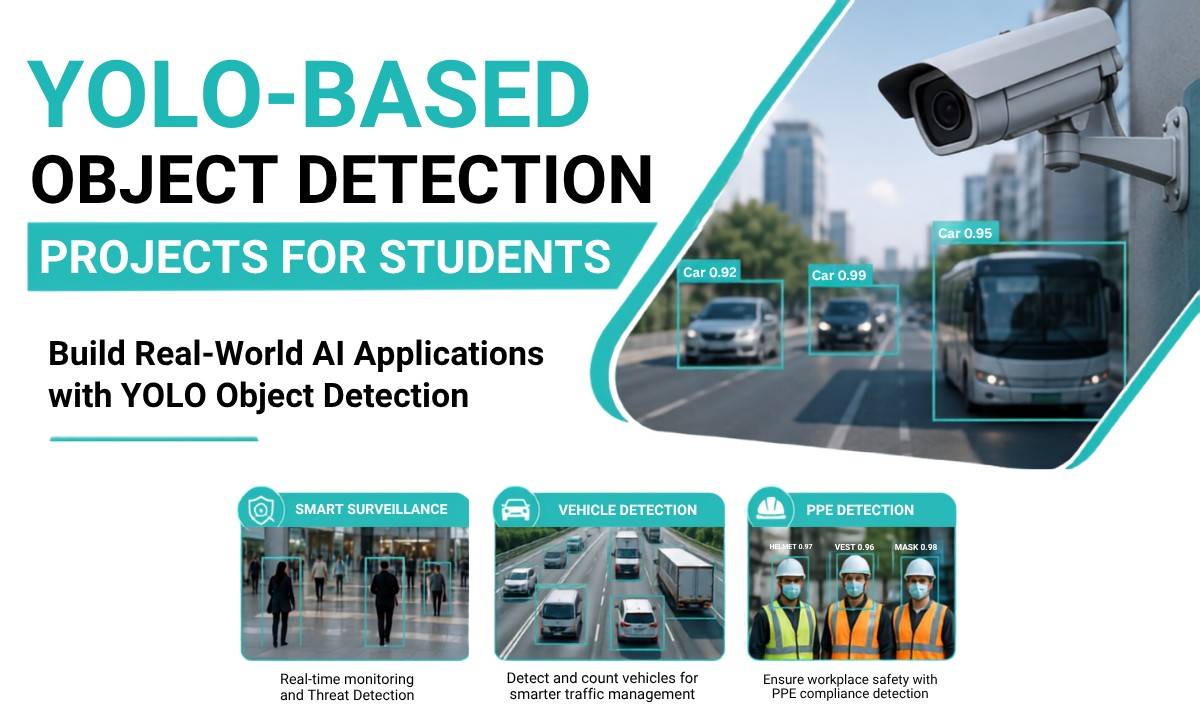 YOLO-Based Object Detection Projects for Students
  MATLAB Projects in 5G and Beyond: Beamforming, NOMA and More
  Design and Simulation of MIMO Systems Using MATLAB
  Speech and Audio Signal Processing in MATLAB: From Basics to Projects
 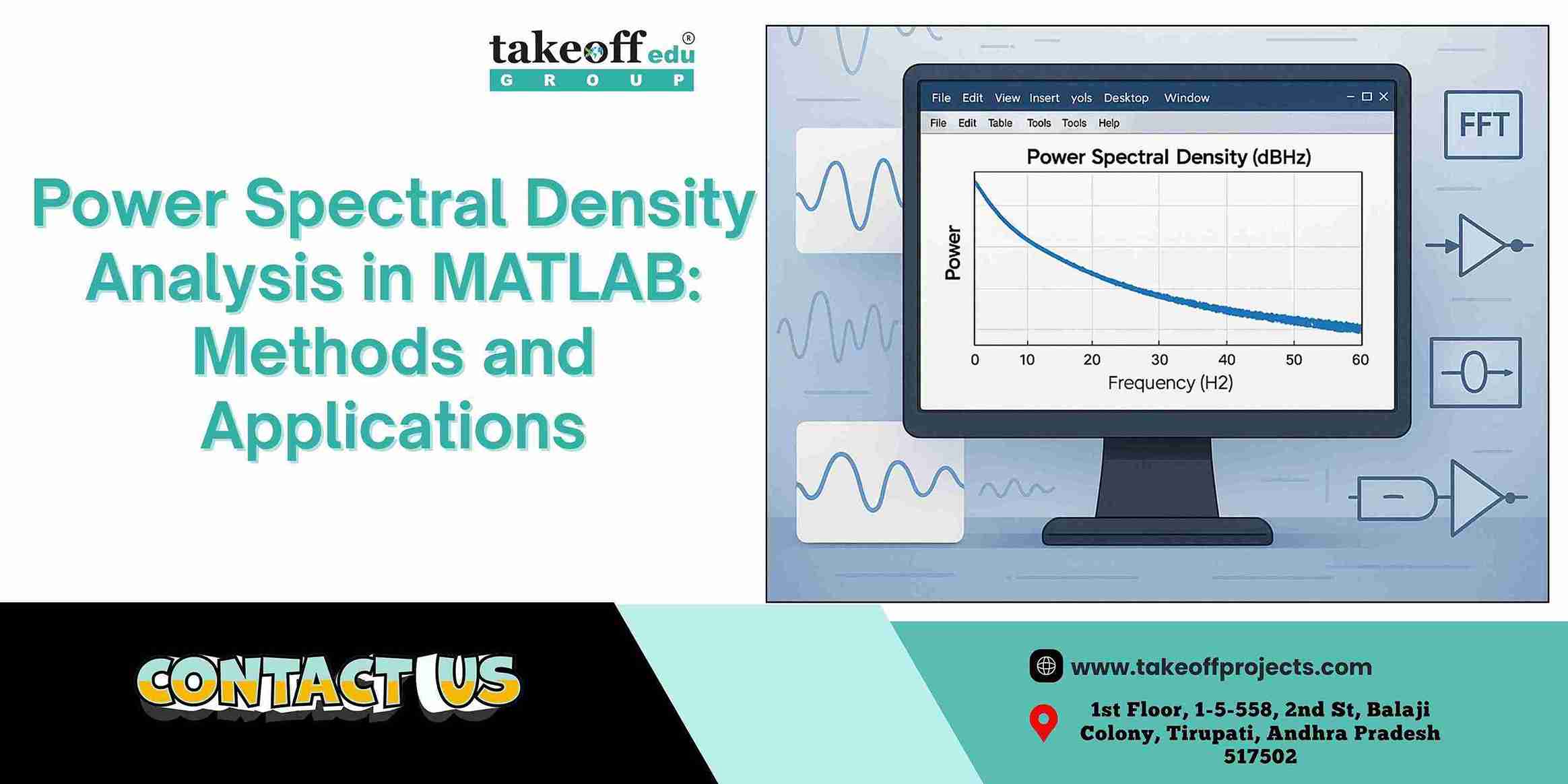 Power Spectral Density Analysis in MATLAB: Methods and Applications
  How to Filter Noise in ECG and EEG Signals Using MATLAB
  Real-Time Object Detection in Images Using MATLAB: A Practical Approach
  Enhancing Image Quality in MATLAB: Techniques and Tools You Must Know
  Medical Image Analysis in MATLAB: Applications in Diagnosis and Research
  Top 5 Projects on 5G Networks
  Top 5 Projects on Modulation Techniques
  Top 7 Projects on MIMO Transmissions
  Top 5 Device to Device Communications Projects
  Top 7 Image Detection Projects
  Top 7 Image Compression Projects
  Top 5 Fusion and Saliency Projects
  Top 7 Image Retrieval Projects
  Top 5 Image Denoising Projects
  Top 7 Projects on Security Applications
  Top 7 Image Enhancement Projects
  Top 10 Deep Learning Projects for B.Tech
  Top 5 Image Segmentation Projects
  Top 5 Artificial Neural Network Projects












 Paper Publishing




