Achine Learning Based Assessment of Mental Stress using Wearable Sensor Data with genetic algorithm
Objective
1. Develop a machine learning-based model to accurately detect mental stress using wearable sensor data. 2. Compare multiple machine learning algorithms like DT, RF, CatBoost, Logistic Regression, and XGBoost for stress detection. 3. Leverage physiological sensor data such as heart rate, skin temperature, and galvanic skin response for stress prediction. 4. Evaluate the model performance using metrics like accuracy, precision, recall, and F1-score for stress classification. 5. Provide insights for continuous, non-invasive stress monitoring to facilitate timely intervention and improved mental health management.
Abstract
NOTE: Without the concern of our team, please don't submit to the college. This Abstract varies based on student requirements.
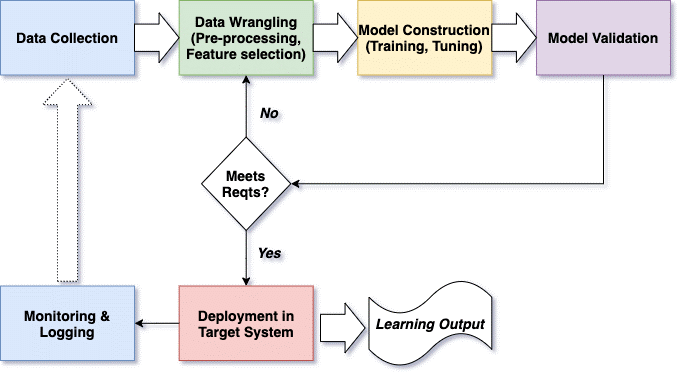
Block Diagram
Specifications
SOFTWARE AND HARDWARE REQUIREMENTS:
Hardware:
Operating system : Windows 7 or 7+
RAM : 8 GB
Hard disc or SSD : More than 500 GB
Processor : Intel 5th generation or high or Ryzen with 8 GB Ram
Software:
Software’s : Python 3.10 or high version
IDE : Visual Studio Code.
Framework : Flask


Related Projects
 Paper Publishing

Request Call Back
Would you like to receive a free callback now?
Choose the best time for callback:
Leave your message and we will contact you as soon as possible

6-2-85/B, Old Maternity Hospital Road, Thyagaraja Nagar, Tirupati, Andhra Pradesh – 517501
+91 9030333433
+91 9393939065
0877-2261612

Disclaimer - Takeoff Edu Group Projects are not associated or affiliated with IEEE in any way. The IEEE Projects mentioned here are mentioned in the context of student projects, whose ideas are derived from IEEE publications, not projects of or by IEEE.

