Smart Electric Vehicle Charging Station Locator with Route Planning & Slot Booking
Objective
The primary objective of this project is to develop a smart, secure, and user-friendly platform that enables electric vehicle users to efficiently locate nearby charging stations, plan optimized routes, and book charging slots in advance. The system aims to provide real-time charging slot availability, minimize waiting times, and enhance the overall EV charging experience. A key objective of the project is to integrate Blockchain technology for the secure generation and management of charging slots and booking transactions. By storing booking data on the blockchain using cryptographic hashing, the system ensures data integrity, immutability, and transparency, preventing unauthorized modifications and double booking. This blockchain-based approach enables users and administrators to access verifiable and tamper-proof booking histories. Additionally, the project aims to provide administrators with robust tools to manage cities, locations, EV charging stations, slot schedules, and user data through a centralized dashboard, while leveraging blockchain-backed booking records for accuracy and auditability. By combining intelligent route planning, real-time availability, and blockchain-enabled security, the system supports the development of a reliable, scalable, and trustworthy EV charging infrastructure, ultimately promoting sustainable transportation and wider adoption of electric vehicles.
Abstract
Face recognition has emerged as a prominent biometric authentication technique and is increasingly adopted in security-critical domains such as mobile banking, digital identity verification, and online financial transactions. Despite its widespread adoption, ensuring the security and privacy of facial data remains a major challenge due to risks associated with unauthorized access, data breaches, and identity theft. To address these concerns, this project proposes a novel and secure framework that integrates DeepFace, a deep learning–based face recognition library, with blockchain technology to safeguard facial embeddings during storage and transmission. In the proposed system, facial features are extracted from input images using DeepFace and securely stored on a blockchain network in the form of cryptographically hashed and immutable records. The decentralized nature of blockchain ensures data integrity, transparency, and resistance to tampering, while smart contracts regulate access control and authentication processes. A dynamic session management mechanism is incorporated to generate unique transaction identifiers for each authentication request, thereby reducing vulnerability to replay attacks and unauthorized manipulation. The framework is evaluated on a benchmark facial image dataset to assess both recognition performance and security effectiveness. Experimental results demonstrate that the blockchain-based security mechanism introduces minimal computational overhead and does not significantly affect recognition accuracy, achieving an average accuracy rate of 90.1%. Furthermore, the proposed system exhibits constant time complexity, O(1), for verification processes, enabling efficient real-time deployment in resource-constrained environments. By combining robust biometric recognition with decentralized blockchain security, the proposed approach effectively addresses critical privacy, integrity, and trust challenges in modern face recognition systems. Consequently, this framework provides a reliable, transparent, and scalable solution for secure authentication in mobile devices, banking platforms, and other sensitive applications where data confidentiality and user trust are paramount.
Keywords: Face Recognition, Deep Learning, DeepFace, Biometric Authentication, Blockchain Technology, Decentralized Security, Facial Embeddings, Data Integrity, Privacy Preservation, Secure Storage, Smart Contracts, Mobile Authentication, Real-Time Systems, Distributed Ledger, Access Control, Information Security.
NOTE: Without the concern of our team, please don't submit to the college. This Abstract varies based on student requirements.
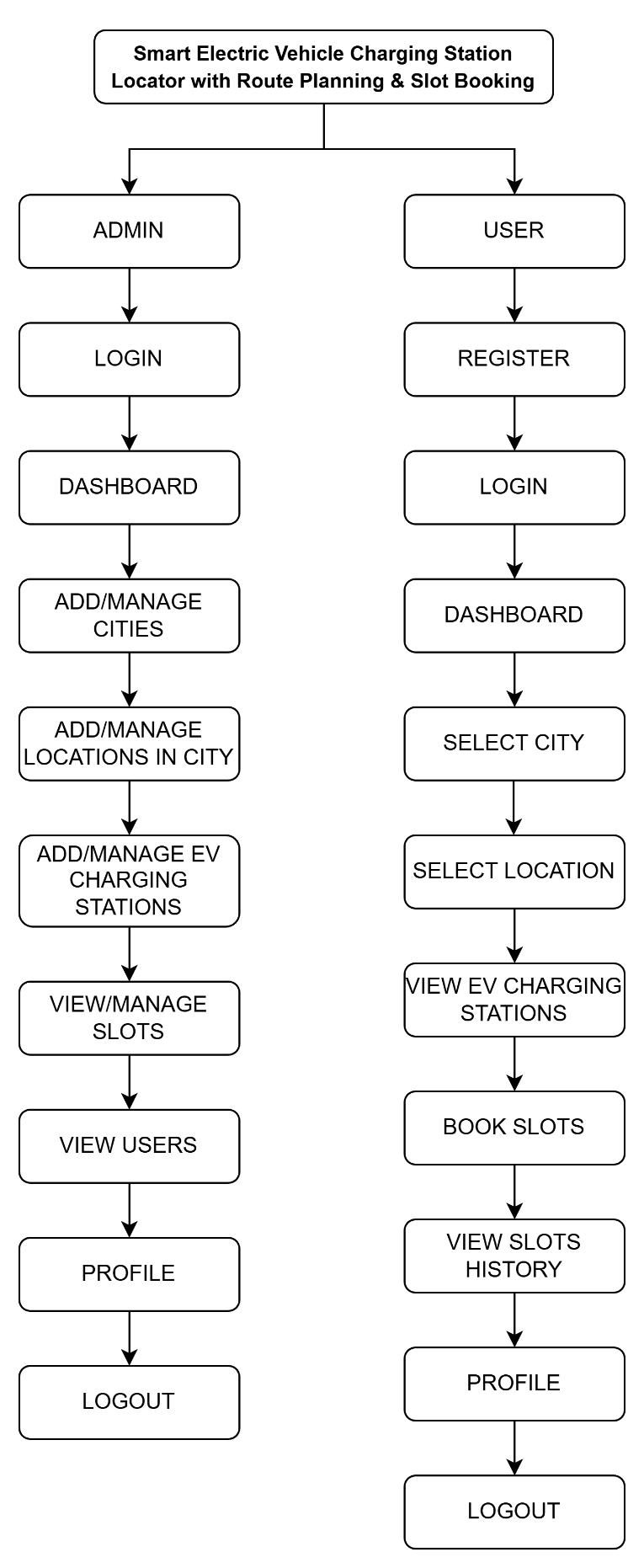
Block Diagram
Specifications
HARDWARE REQUIREMENTS:
· Processor: Intel i3 or higher
· RAM: 4GB minimum
· Hard Disk: 160GB minimum
SOFTWARE SYSTEM CONFIGURATION:
· Operating System: Windows 7/8/10
· Frontend: ReactJS
· Backend: Spring Boot with java
· Database: MySQL
· IDE: IntelliJ IDEA & VS Code


 Paper Publishing

Request Call Back
Would you like to receive a free callback now?
Choose the best time for callback:
Leave your message and we will contact you as soon as possible

6-2-85/B, Old Maternity Hospital Road, Thyagaraja Nagar, Tirupati, Andhra Pradesh – 517501
+91 9030333433
+91 9393939065
0877-2261612

Disclaimer - Takeoff Edu Group Projects are not associated or affiliated with IEEE in any way. The IEEE Projects mentioned here are mentioned in the context of student projects, whose ideas are derived from IEEE publications, not projects of or by IEEE.

