Facial Recognition Authentication in Electoral Processes using Raspberry Pi
Objective
This project implements facial recognition authentication for electoral processes using Raspberry Pi to enhance voting security and integrity by verifying voter identities and reducing fraud.
Abstract
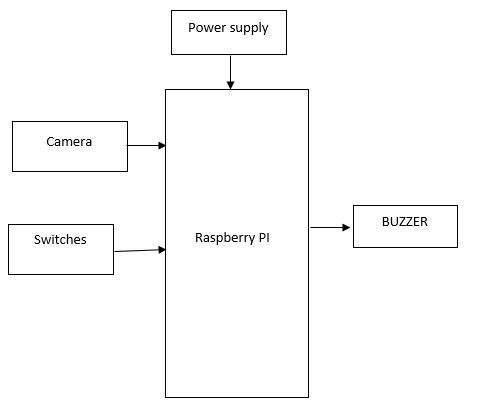
This paper presents a low-cost, efficient, and secure voter authentication system utilizing facial recognition technology, implemented using a Raspberry Pi. The system is equipped with a single camera for capturing voter images, three switches representing three political parties, and a buzzer to alert potential fraud. During the voting process, the system captures the voter's facial image and compares it against a pre-registered database to authenticate identity. If the voter is authenticated and has not voted previously, they can cast their vote by pressing the switch corresponding to their chosen party. If the system detects a duplicate attempt by the same voter, the buzzer is activated, signaling a violation. The lightweight and portable design, combined with reliable face recognition and real-time feedback, ensures secure voting while preventing double voting. This setup demonstrates the potential of affordable technology in enhancing electoral transparency and reducing fraud, especially in resource-constrained environments.
NOTE: Without the concern of our team, please don't submit to the college. This Abstract varies based on student requirements.
Block Diagram
Specifications
- - Raspberry Pi
- - Camera module
- - Three Switches or push buttons
- - Buzzer
- - Power supply
Learning Outcomes
- - Raspberry Pi pin diagram and architecture
- - Setting up and installation procedure for Raspberry Pi
- - Introduction to Raspberry Pi IDE and software tools
- - Basic coding with Raspberry Pi
- - Working with the Camera Module for Facial Recognition
- - Interfacing Switches for Voting Input
- - Understanding Security Protocols in Electoral Systems
- - Basic Understanding of IoT Communication
- About Project Development Life Cycle:
- Planning and Requirement Gathering (software’s, Tools, Hardware components, etc.,)
- Schematic preparation
- Code development and debugging
- Hardware development and debugging
- Development of the Project and Output testing
- Practical exposure to:
- Hardware and software tools.
- Solution providing for real time problems.
- Working with team/ individual.
- Work on Creative ideas.
- Project development Skills
- Problem analyzing skills
- Problem solving skills
- Creativity and imaginary skills
- Programming skills
- Deployment
- Testing skills
- Debugging skills
- Project presentation skills
- Thesis writing skills


 Paper Publishing

Request Call Back
Would you like to receive a free callback now?
Choose the best time for callback:
Leave your message and we will contact you as soon as possible

6-2-85/B, Old Maternity Hospital Road, Thyagaraja Nagar, Tirupati, Andhra Pradesh – 517501
+91 9030333433
+91 9393939065
0877-2261612

Disclaimer - Takeoff Edu Group Projects are not associated or affiliated with IEEE in any way. The IEEE Projects mentioned here are mentioned in the context of student projects, whose ideas are derived from IEEE publications, not projects of or by IEEE.

